
Summer Guthery Says “times is for People Who Need Something”

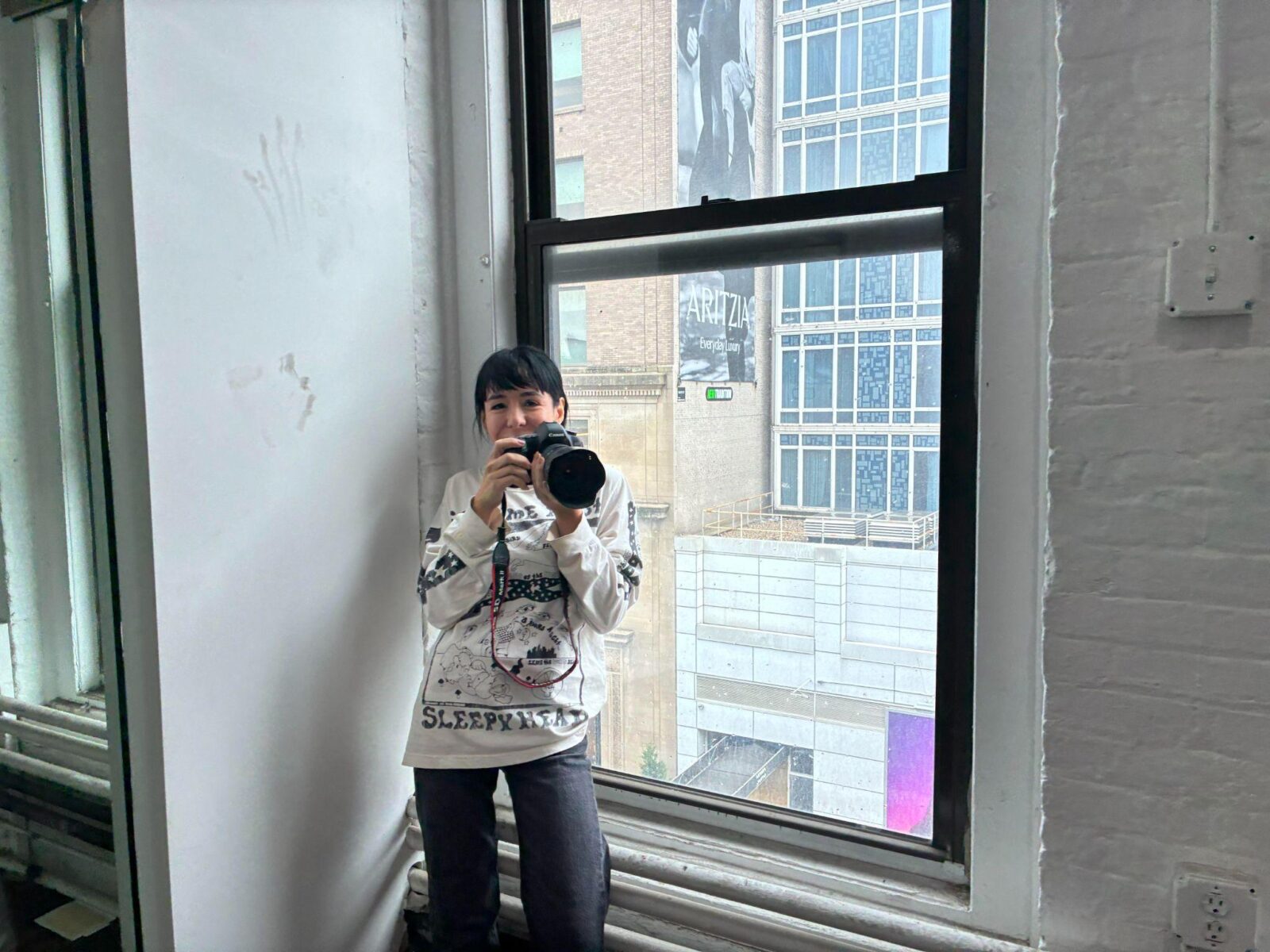

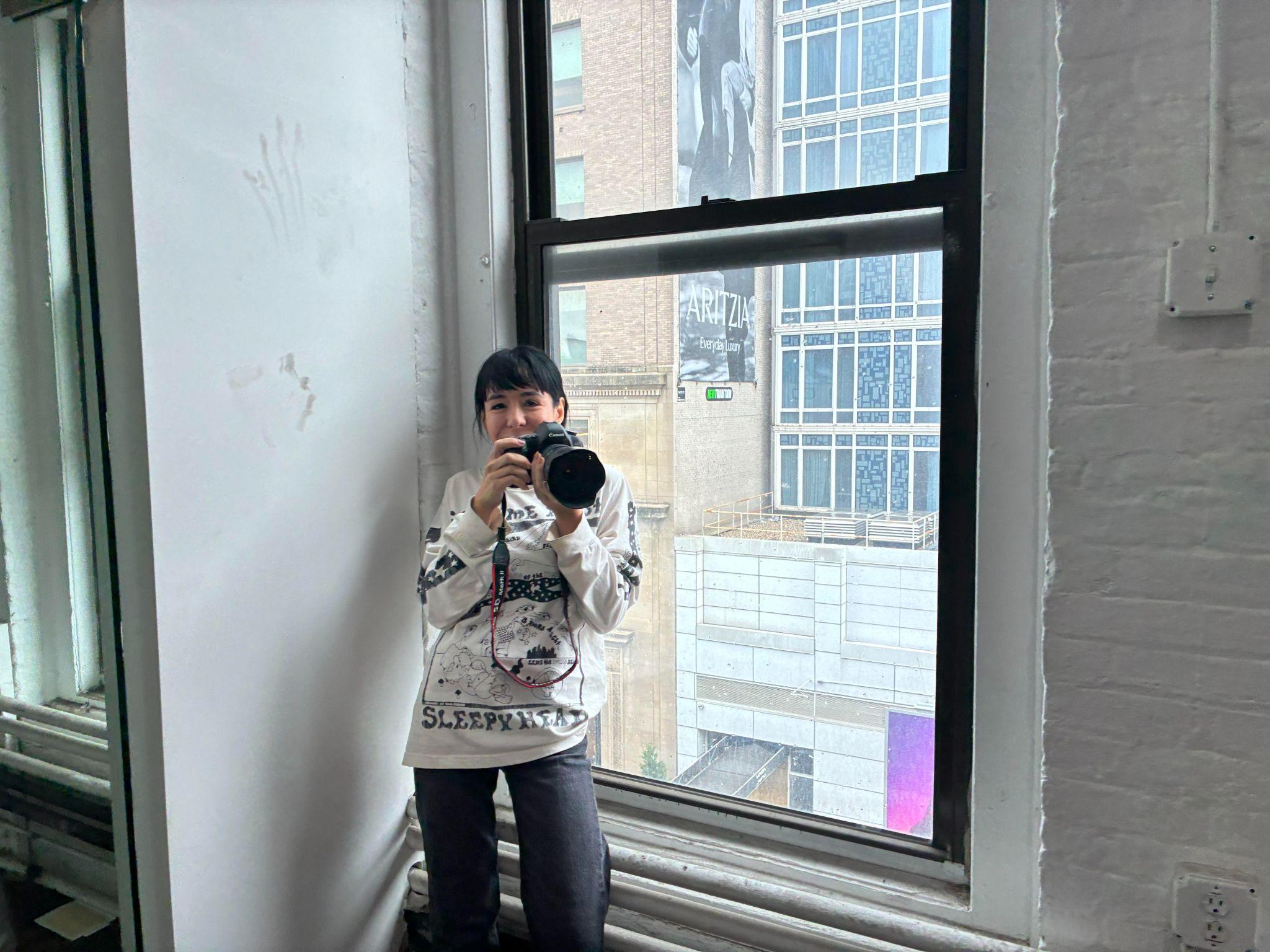
Summer Guthery makes me laugh the first time we meet. She’s giving a tour of Canal Projects, the downtown contemporary arts space she led from its founding in 2022 until March 2025. Taking up the first floor and basement of a massive cast-iron building on Canal Street, she made it into a vital platform for experimental, global practice.
After guiding us through her installation of Mexican artist Fernando Palma Rodríguez’s chittering, straw-strewn robotic sculpture, Guthery introduces herself. “I’m from Arkansas,” she says. “But then I came to this wonderful place.”
Two years later, I duck out of my job to have lunch with Guthery at Lucien, the infamous East Village French bistrot. It’s November 2025, and she is circling in on a lease for her new arts center: times. “times is for people who need something,” she says.
Opening Saturday, February 21, 2026, in Lower Manhattan, not quite SoHo, nor Little Italy, and not Chinatown, one block from the height of luxury retail and the new hub of commercial galleries, times will support daring work. Founded with Francesca Sonara, it will operate for three years only, forsaking legacy to provide infrastructure for experimentation in the now. It is a place to gather, be, and do.
At Lucien, as we continue our conversation, I bring up indie sleaze.
Music is Guthery’s first love.
In college, in Fayetteville, a man crashing on her couch turned out to be Kyp Malone of TV on the Radio. He encouraged her to make a move.
There were six months at the American Apparel off Bedford Avenue. Then Guthery showed up at the doorstep of MoMA PS1 and asked for a job. They hired her on the spot. Interning, she measured the 125,000 square foot former school building, mapping it on an oversized chalkboard used for exhibition making, and reviewed over 2,500 submissions for the 2005 edition of Greater New York. Back then, artists mailed in slides. Here, she learned how curators work.
While enrolled at Bard’s Center for Curatorial Studies, Guthery took the train down every weekend to catch shows.
“See everything,” she says.
Then there was Joan. The seminal, feminist Los Angeles exhibition space that Guthery co-founded, which just celebrated its tenth anniversary. Unpretentious, it connected LA with New York and Europe, crossing scenes and generations.
***
There is way too much food at Summer’s dinner party. She has made at least four types of pasta, and guests have brought dessert. There is a cherry pie, a cinnamon apple cobbler, some sort of tart, and many different kinds of cookies.
Near the window, I meet Isaiah Davis, a sculptor who has just opened a show of steel works and is on the precipice of a major, life-changing press run. He immediately asks what’s wrong. When I explain I was broken up with, he guides me, slowly, softly to look for the forest beyond the trees.
Later, out of town, I realize I get along with Andrew Berardini, a curator and writer whom I’ve just met. As we walk, I think to ask, “Do you know Summer?” He adores her. She’s been enrolled in his curriculum at the alternative art education program, which remains tuition-free, at The Mountain School of Arts.
***
The first time I meet Malcolm, Summer’s seven-year-old son, I end up watching him. We’re waiting for Robertas Narkas’ Performa commission to start when I relieve a miserable-looking Qingyuan Deng, another writer, a curator, my close friend, from childcare duty.
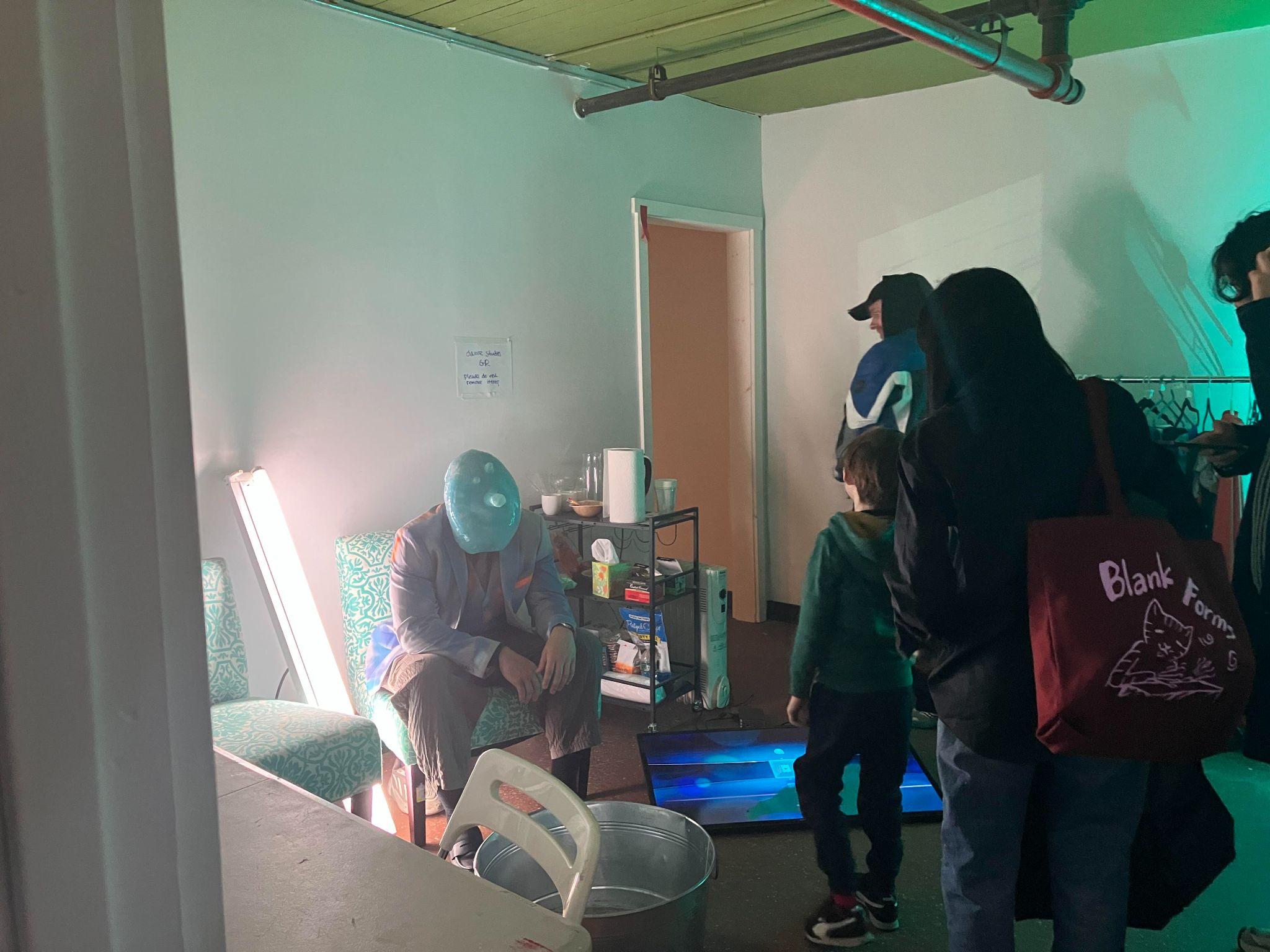
At one point, I offer Malcolm candy. Calmly, politely, he says, “No, thank you.”
He’s at least two inches taller when I see him a month later.
***
Latvian artist Jana Jacuka christens times on Thursday, February 12, the first non-freezing day after a brutal cold snap. It’s technically the soft opening, a week before the official exhibition.
A line has formed outside on Lafayette Street. Everyone is in good spirits and is gentle with one another. The block feels airy.
Summer peeks out, directing us inside, then toward a freight elevator. As we wait, a side door pops open, and a group of us storm the stairs. It feels like the midpoint of a party.
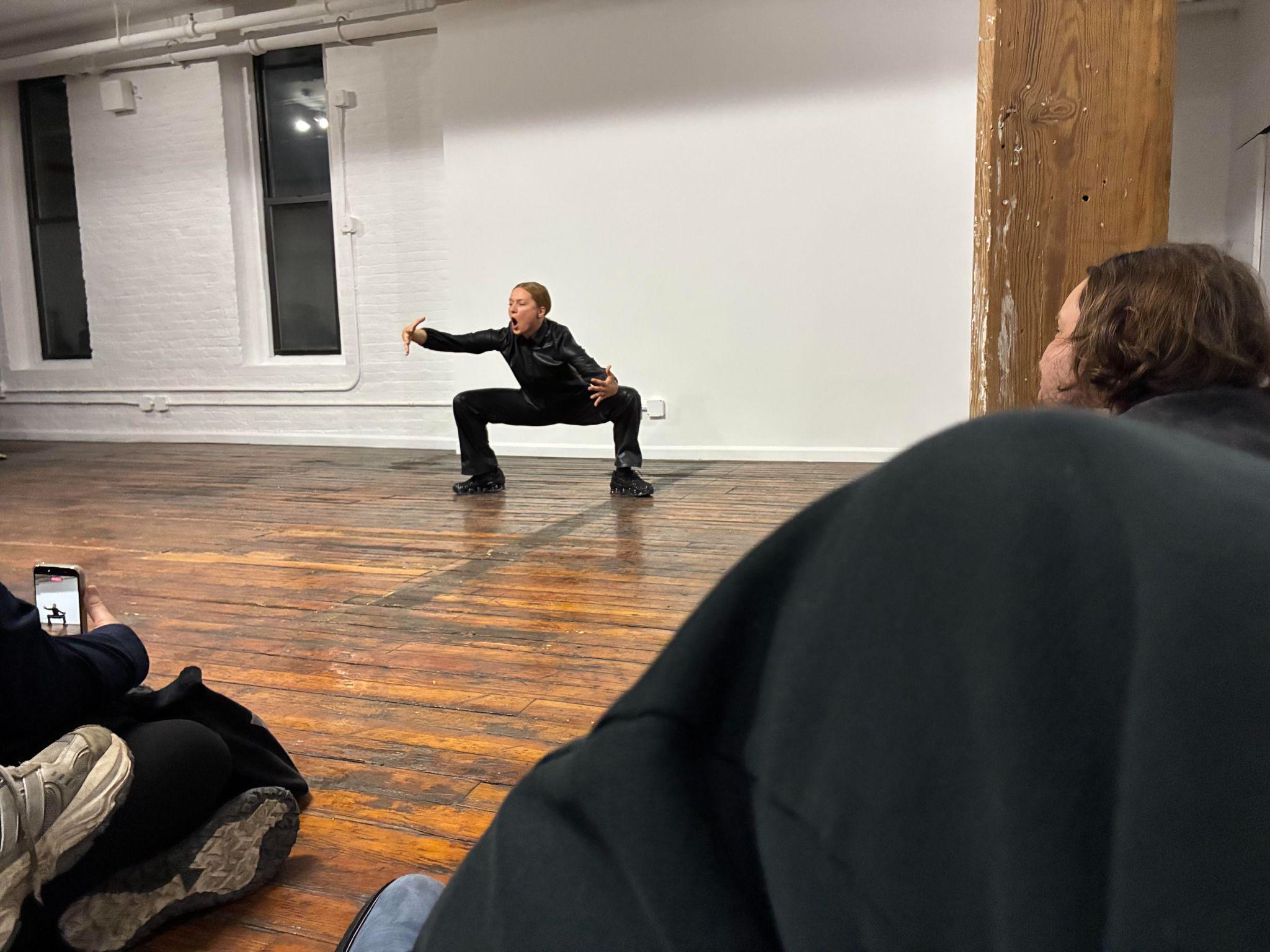
Jacuka’s performance is simple. Wearing black leather and mesh sneakers, she gives voice to a modern interiority: “I left my phone in an Uber,“ “Balenciaga!” “Did I marry the wrong person?” with mounting despair.
It is severe. Many of the piercing, punishing sounds she makes could very much damage your vocal cords. Toward the end, people break through to laughter.
***
For the next few months, I repeat something Summer told me over our lunch at Lucien. Invoking the Latin “curare,” which means to care for, she says, “to curate is to care.”
After the holidays, there’s a freak snowstorm when I run into Chris Rodriguez, the artistic director of SoMad, a rising space in Flatiron. We had taken a walk when it was still warm outside.
“I can’t stop thinking about what you said,” she says. “To curate is to love.”
“That was all Summer,” I say.
times opens Saturday, February 21, 2026 at, 151 Lafayette Street, 4th floor, with a solo exhibition by artist Nina Beier.
You Might Also Like
What's Your Reaction?