Ebba Dankel’s First EP Somewhere Moves Audiences

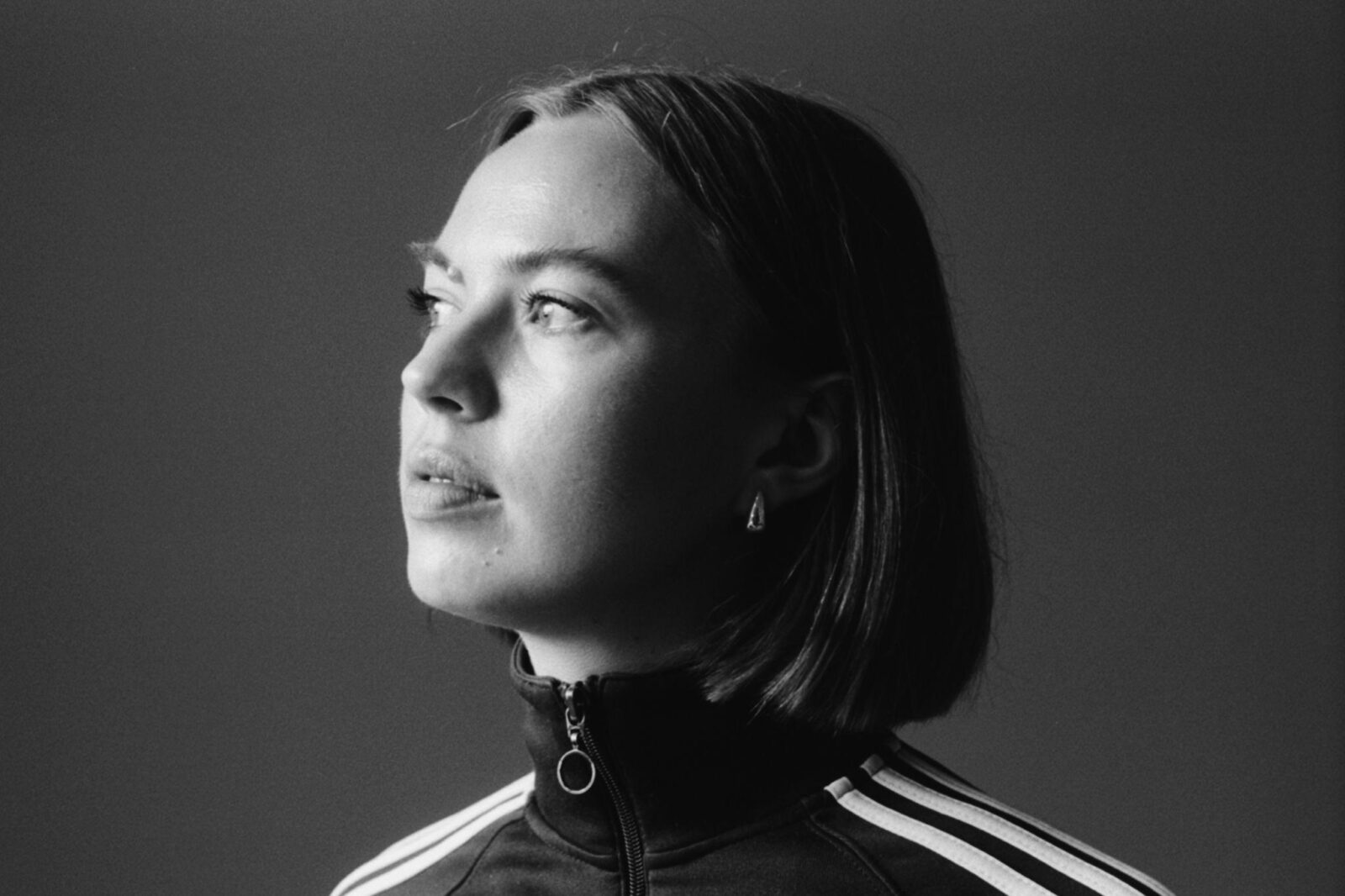

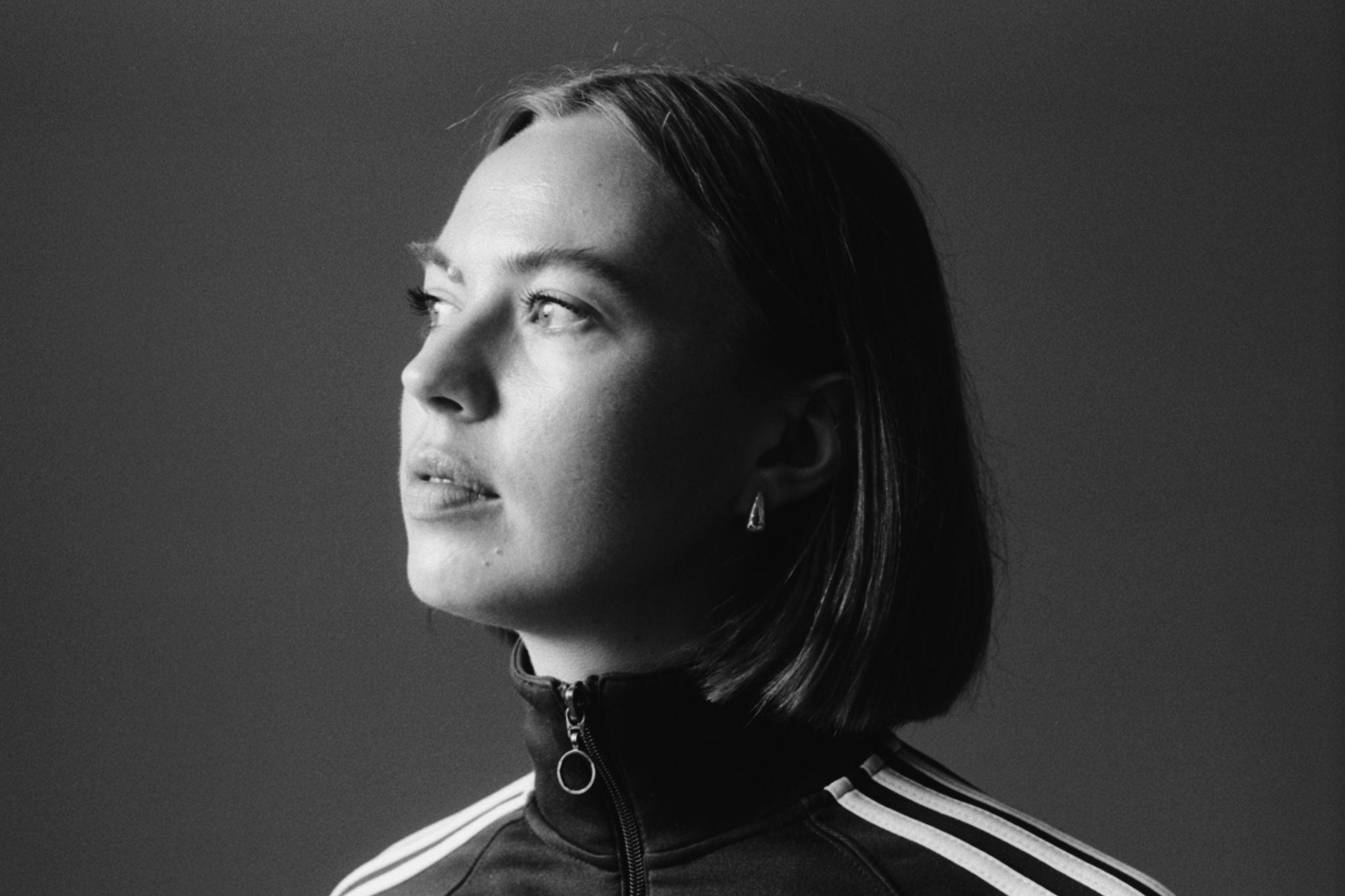
When singer-songwriter Jon Batiste’s team invited new on the scene Swedish musician Ebba Dankel to a session at Electric Lady Studios in New York, she didn’t know what to expect. About six months earlier, Batiste had started following her on Instagram after a clip of her singing and playing piano went viral online. Two years later, she has completed a 37-date tour as his keyboardist and singer and appeared on BIG MONEY, his Grammy-winning album.
Now, Dankel is making her debut as a solo artist.
For years, Dankel’s musical identity revolved around jazz—rigorously, almost dogmatically. After studying at Skurups folkhögskola — Sweden’s most prestigious jazz program — Dankel received the kind of offer many jazz bros can only dream of: a full-ride scholarship to Berklee College of Music. For several years, her musical identity was confined to the role of a jazz pianist. She describes the hard climate for women within jazz circles: the idea that for women to be booked as jazz musicians they need to play better than their male counterparts. On Dankel’s debut EP Somewhere, the discursive boundaries have softened. Jazz piano merges with intimate singer-songwriter storytelling, while the songs move through themes of grief, memory, love, and longing, sung in both Swedish and English.
In Swedish jazz circles, we speak about Dankel with a mixture of awe and envy. She was the Swedish musician who was making it in the United States, living first in Los Angeles then in New York.
When I catch up with her over a video call, Dankel is sitting on her bed in her West Village apartment—she looks animated as she speaks —thoughtful, but always close to laughter. Serious and focused when talking about music, about her journey, yet warm and light at the same time. Her red bed frame stands out against the pale beige walls behind her. A lone picture hook hangs empty. Outside the window, I see yellow taxis blur past alongside finance workers rushing and tourists making their way to Magnolia Bakery. It is clear that she spends very little time in this room.
Congratulations on the EP. How does it feel to release it?
It feels amazing that it’s finally out, but also strange, because these songs have lived with me for so long. Solrosbarn, the final track on the EP, was written in 2017. It was actually the first song I ever wrote with lyrics.
Wow. Throughout the EP, grief and love intertwine with reflections on memory and time. Solrosbarn—sunflower child, in English—is about Otto, your brother, who passed away from cancer when you were four years old. Has it been difficult to share these subjects publicly?
I had performed the songs live many times before, both in Sweden and in the U.S. It felt important to let the music speak for itself. I remember performing Solrosbarn on the anniversary of his death, so it became especially emotional. Hardly anyone in the audience understood the lyrics, yet people were affected. Many started crying. A big part of my musicianship and songwriting is being very vulnerable and open. I also like when other musicians are very direct, so being in that emotional world is part of my artistry.
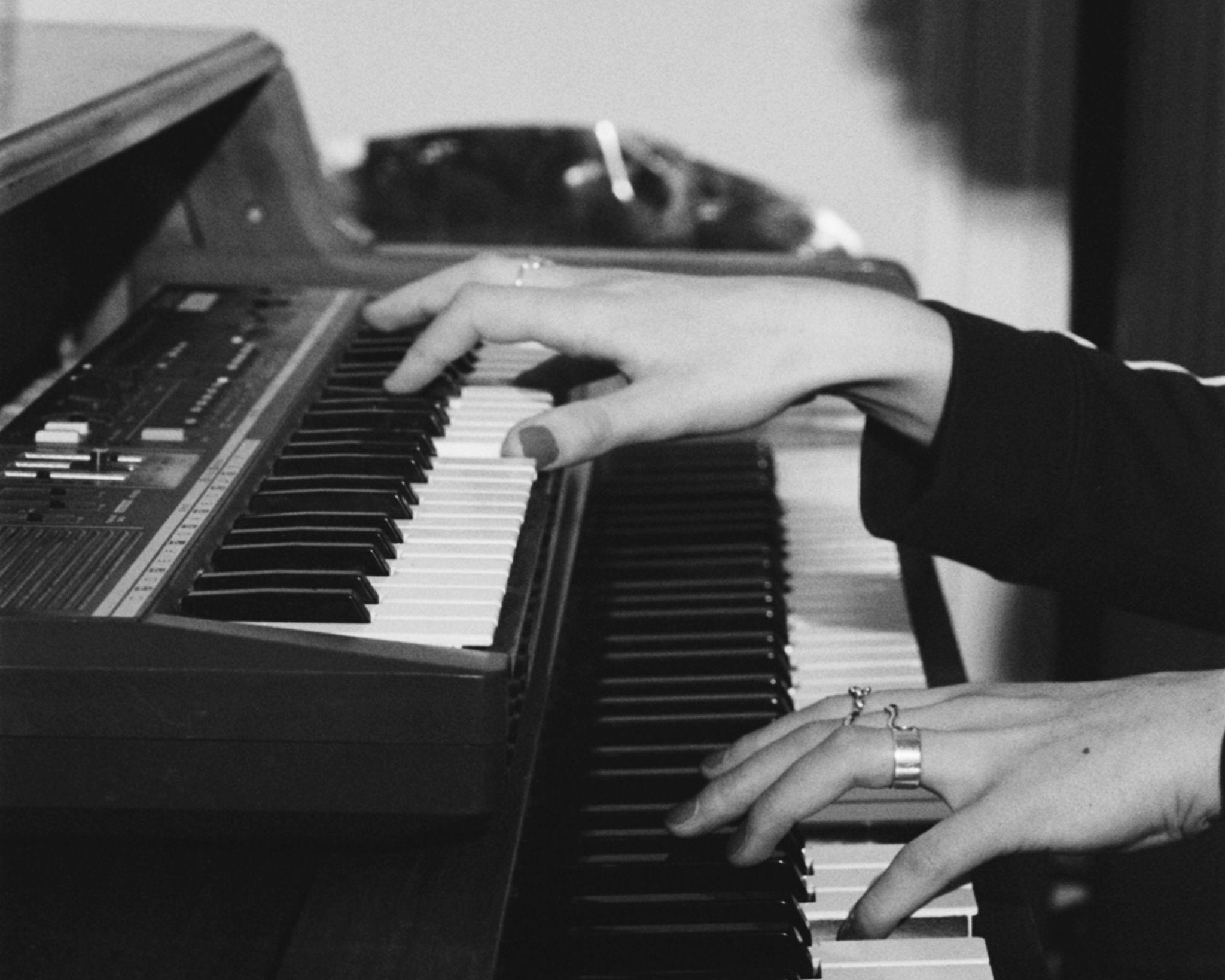
How long have you been playing music, and was jazz always the obvious path for you?
I fell in love with jazz through playing the trumpet in big-bands—the harmonies, the arrangements fascinated me. When I was sixteen, I entered this phase where the only thing I wanted to do was jazz piano. It felt exciting and intense, and I needed to completely immerse myself in it. I didn’t sing very much back then—I just wanted to play fast jazz tunes.
We laugh.
It wasn’t until I got to Berklee that I met incredible jazz musicians who were also doing all kinds of other things—songwriting, producing, or as multi-instrumentalists. When they heard some of my songs, beyond the piano, they’d ask, “Why aren’t you doing this? It’s okay, you know.” There was something in my brain that had convinced itself that jazz piano was the only thing I could or was allowed to do.
Where do you think that idea came from?
Joanne Brackeen believed in the philosophy that if you are a musician who is as good as–or better than–the men, then you will get the gigs, and that’s what I had done. Looking back, I know that the whole thing about pushing away so many of my singing ideas was because I felt like I had to prove that I could play as well as the guys. I needed a period of just deep diving into that slightly aggressive style of playing in order to learn it, and then decide to play a ballad, and not just play a ballad because I’m a girl and that’s what I can do.
You’ve toured and recorded with Jon Batiste and appeared on his Grammy-winning album BIG MONEY. How did that collaboration begin?
We actually met in a studio for the first time. I showed up without really knowing what he wanted to do—only that it was a session. And he’s a pianist! I’m a pianist! He sings, writes songs… basically everything I do. So I was very confused about what he actually wanted to do. Maybe he wanted to write together? Maybe sing? I had no idea. I got there and suddenly a bunch of people started walking in. So it wasn’t just me at the session. I started greeting everyone and realized, okay… this is a full band now.
Even though we’d never met before, he was super warm and welcoming. We recorded a few songs he had just finished writing, and later that day I realized: this is actually a new album.
That is so sick. And, you were in Electric Lady Studios in Greenwich Village—the legendary studio commissioned by Jimi Hendrix in 1968.
Exactly and when Jon asked me to play the grand piano in the studioI was like, “Well… okay!”
She laughs.
And the recording engineer was Russell Elevado, who worked on D’Angelo’s Voodoo and Black Messiah, so he’s also this legendary engineer. He was incredibly kind, recording everything on tape. The whole experience was surreal. We ended up doing three sessions together. Two full days with the band, and then I stayed in New York over the weekend. Jon called me back in again to sing on another track that later became a single. Then, about six months later, he asked if I wanted to tour with the album.
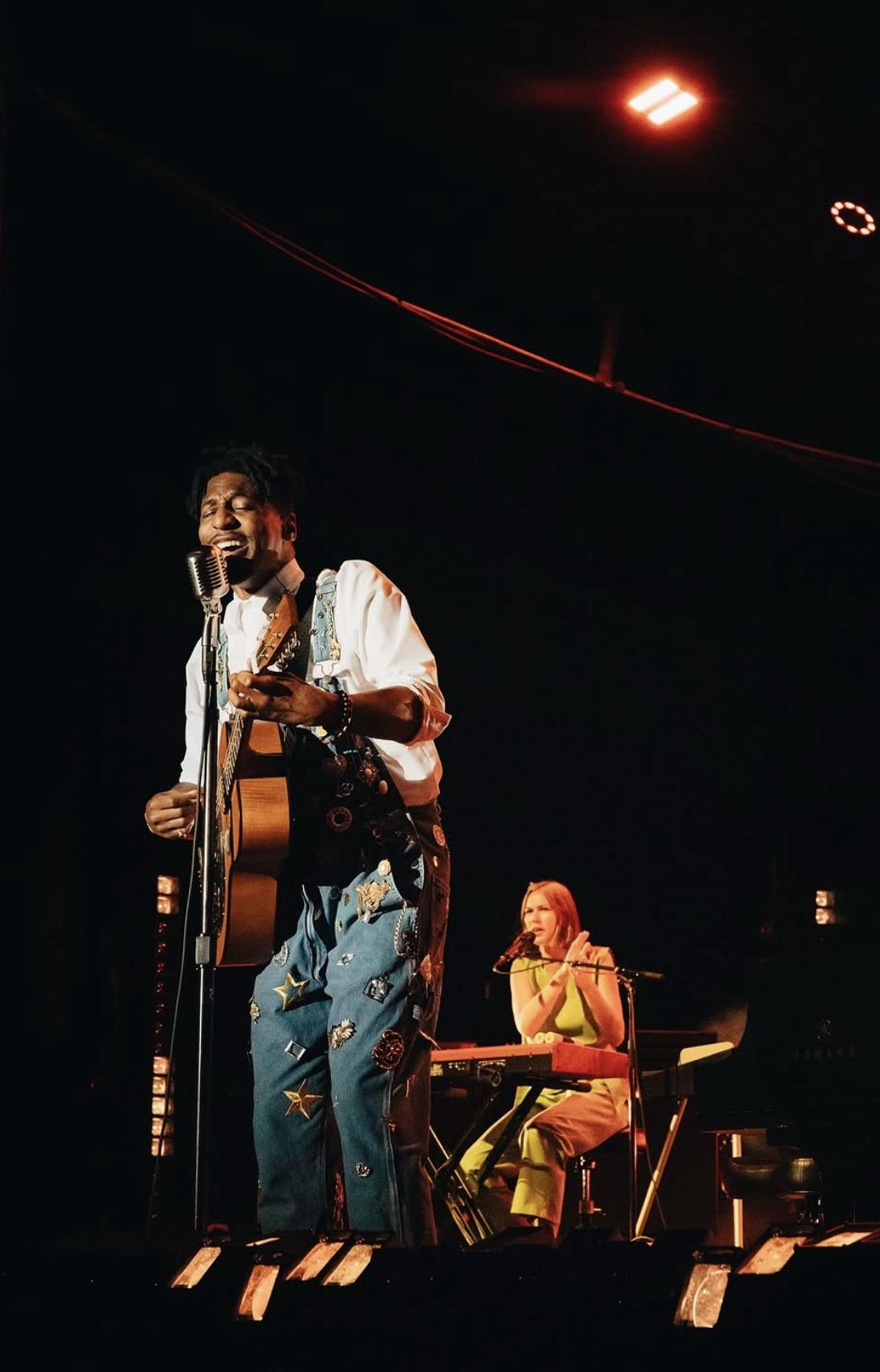
What did you learn from working so closely with Batiste?
Jon works in a very different way from most major artists. You never know what’s going to happen. Ever. He constantly changes songs live, and nothing is ever performed the same way twice. We technically had a setlist, but we never followed it, and he would turn to me mid-show and ask me to improvise vocally in front of thousands of people. The first time, I completely panicked. But I survived because I just went into autopilot. I remember thinking: “Okay, it’s silent now, he told me to sing something, so I have to sing something.”
Afterwards, he actually wanted me to open every concert with one of those moments. I think that’s the biggest thing I learned—to trust all the work I’ve put in. I’ve practiced for so many hours, and eventually you just have to trust that your instincts will carry you through those situations.
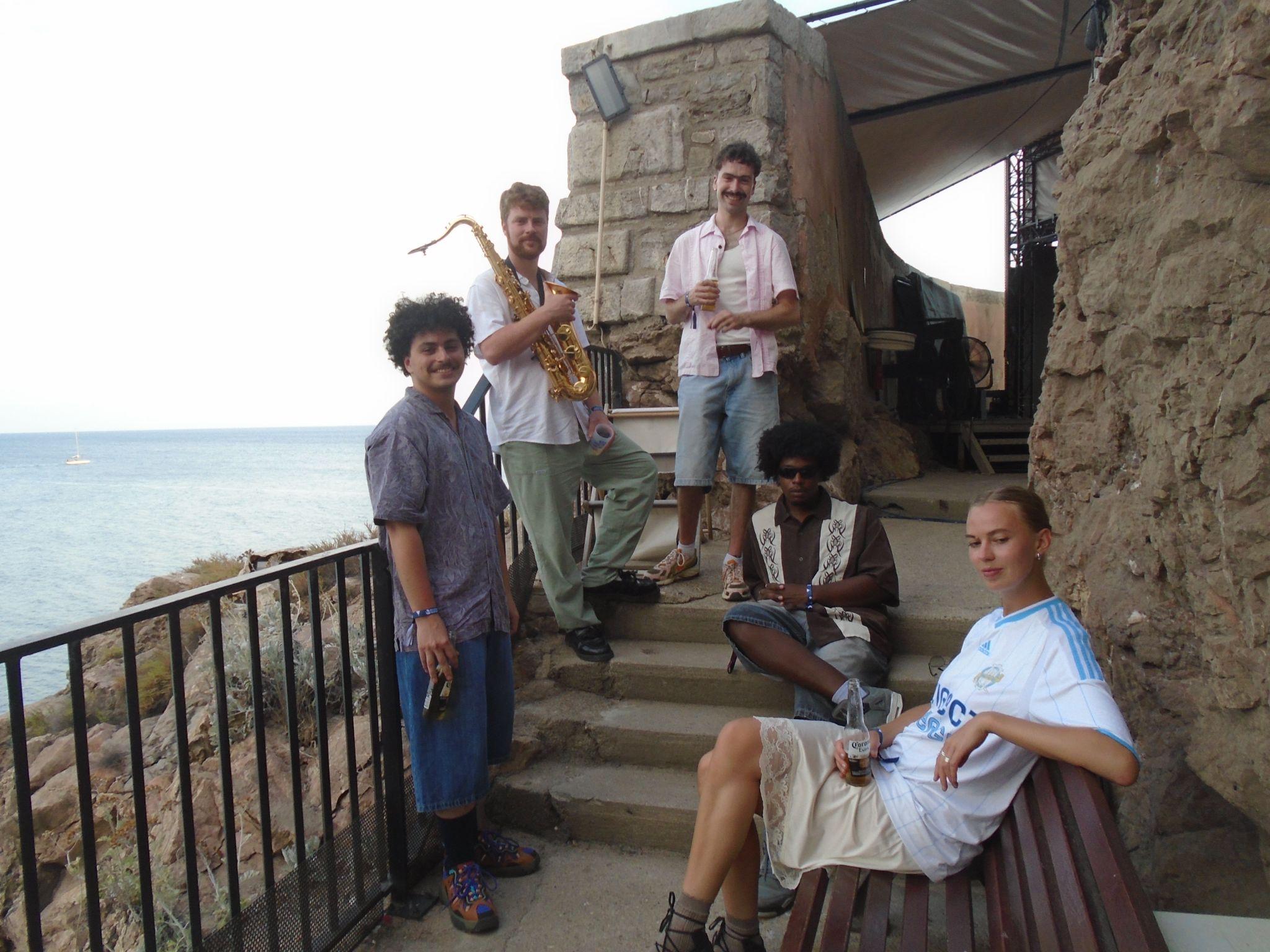
You also toured with Dana and Alden when they opened for Remi Wolf. Their most recent EP Lee’s Treehouse, a collaboration with guitar virtuoso Mei Semones, has been on repeat in my headphones. How did that collaboration come about?
Thanks, I was part of that too. They’re actually Berklee friends. I met Alden through jazz ensemble classes, but my strongest connection to the band is Salim, who plays saxophone and synths. He’s been one of my closest friends for years.
Are there any things or habits you bring with you on tour?
On my first tour, I crocheted hats.
She laughs.
But more than anything, I developed little rituals. Every morning I’d go to a café with my journal and a book and just have a moment to myself. I’d call a friend or my mom and spend a couple of quiet hours alone before the day started. That became really important to me—to feel like you get to see something other than a venue, and to just feel like a person with a normal life, because it’s all just so much.
The Law of Jante—the unspoken Scandinavian social code discouraging people from standing out or believing they are exceptional—feels very far removed from your work. How did you learn to leave that mindset behind?
That was something I learned immediately, to let go of the the whole Law of Jante thing. People in the U.S. just have a completely different kind of confidence and drive in what they do. I realized pretty quickly that I needed a basic sense of self-belief — that I can do this, that I actually have something to contribute.
***
Taking the interview during my lunch break, I tell Dankel I need to head back to my desk. We end by talking about summer plans. She might return to Sweden for a few shows in the idyllic region of Österlen. In June and August, more gigs await in New York — a “New York summer,” as she describes it, with visible excitement.
Whether her music drifts across the eel-fishing villages, open fields, and quiet coastal roads of southern Sweden, or echoes through a jazz club beneath Manhattan skyscrapers, Dankel moves through music with the same openness, intensity, and emotional fearlessness that first made audiences cry without understanding a single word.
Ebba Dankel’s debut EP Somewhere is out now. Upcoming shows include: June 2 @Bowery Palace, NYC. June 17 – Filthy Diamond, Brooklyn. June 25 – Nublu Classic, NYC. June 27 – Arts at the Armory (opening for Ásgeir), Boston. August 22 @Pianos, NYC. August 26 @Threes Brewing, Brooklyn.
What's Your Reaction?