

Anne Carson’s Class That Never Ended

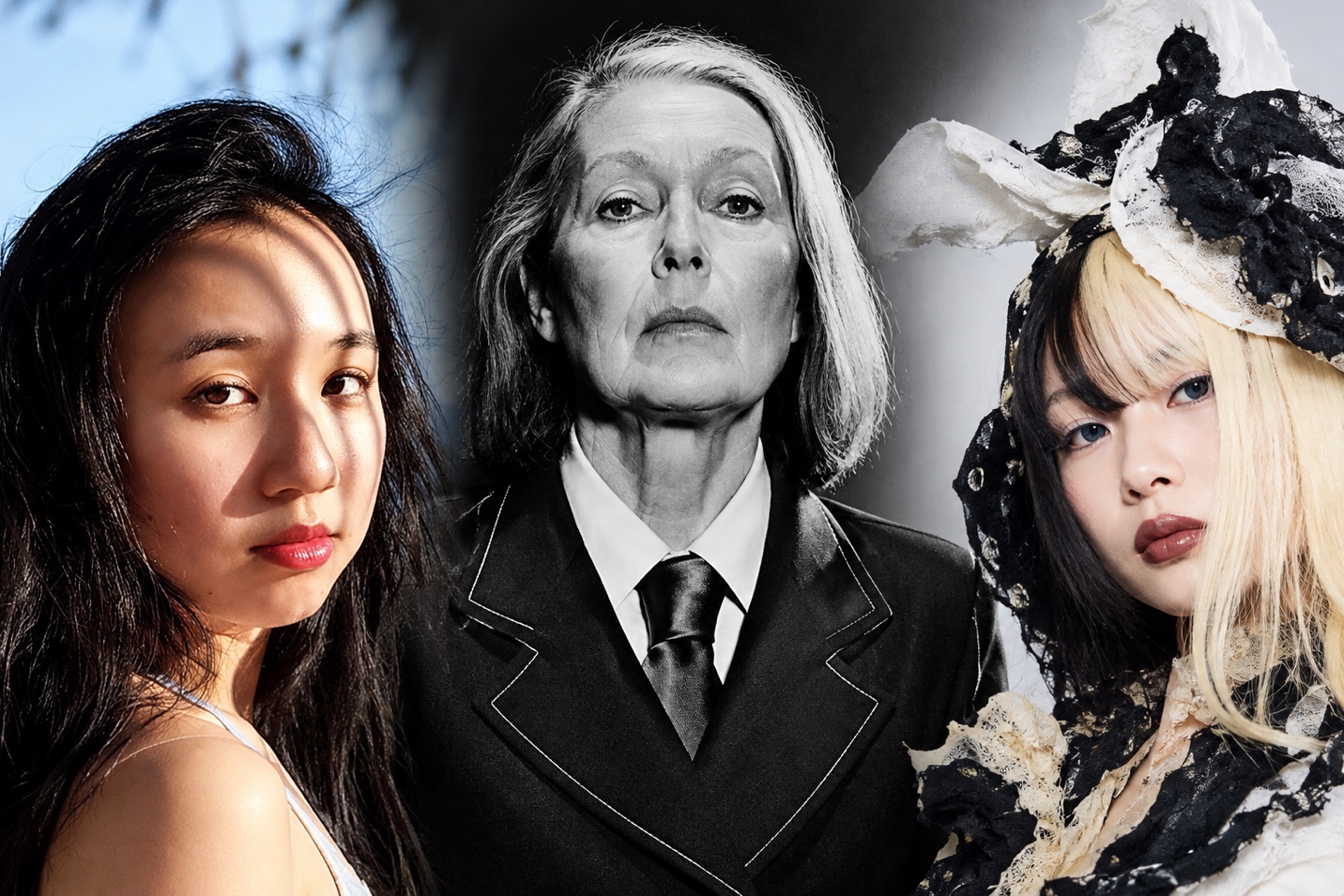

Anne Carson draws a full house when she is the keynote speaker. It is rumoured that she has refused invitations to attend both Prada and Celine shows, and now she is, since a couple days back, a Nobel Prize winner in Literature. “All commitments are important,” the Canadian poet and essayist responded to a Swedish journalist who caught her during a boxing class, pressing to find out if she would attend the ceremonies in Stockholm. Carson was steadfast that she might have a prior engagement. Rude? Maybe. Reading Carson’s work is understanding, or learning to not fully grasp, that the boundaries of genre must not confine and that experimentation, fun, and ease is central to her practice. Quite how that practice comes about (or if she is fun) is more elusive, as she is not always keen on sharing more than her writing with the public. Or showing up, for that matter. At times she can be very guarded. Understandable. She writes! What more can one ask?
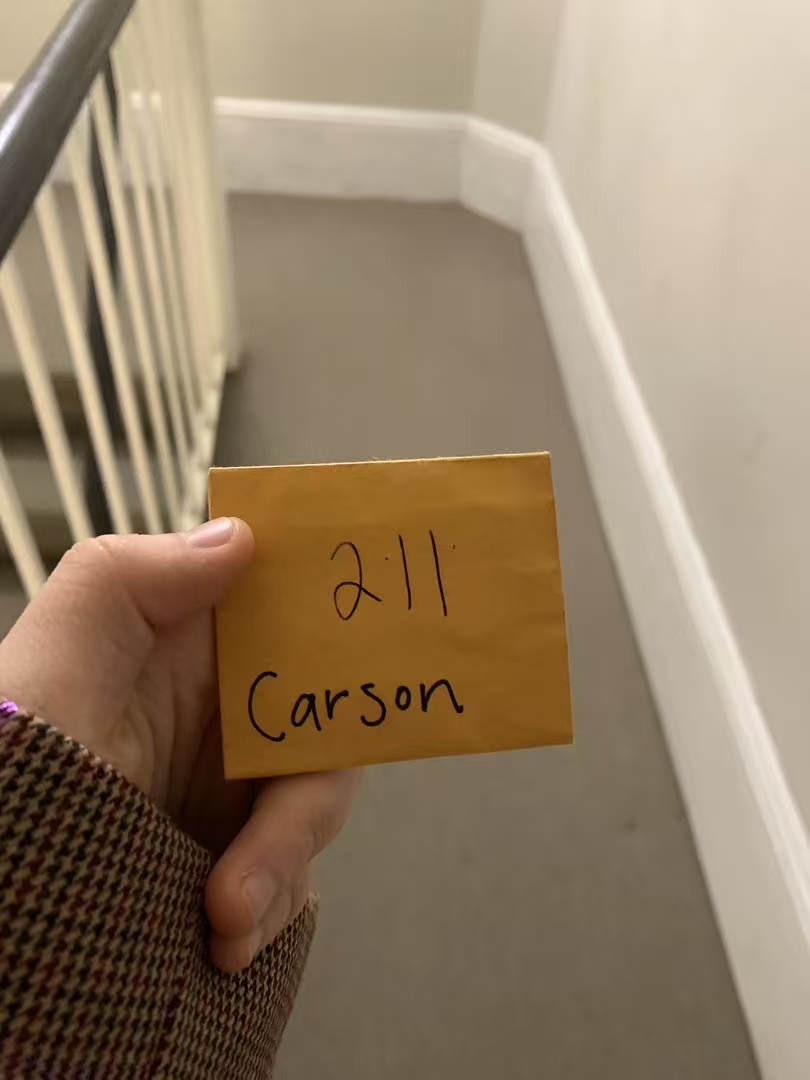
Her students are an exception. Jiaoyang Li, a member of Carson’s collective EgoCircus and the founder of New York City bookstore Accent Sisters, estimates that Carson probably says no to 99% of the events she is invited to. Yet, she will show up to many of her students’ chapbook launches, and in Li’s words, “other random underground events.” Li continues, in true poetic prose: “She is a goddess” and “Tears…”—a kind-hearted and genuine person. On Carson’s genuine spirit, JinJin Xu, an artist-slash-poet-slash-filmmaker and fellow EgoCircus member chimed in: “When our friend asked her how to order her manuscript, she answered, throw it down the stairs and then pick it up.” Both have translated Carson’s work into Chinese.
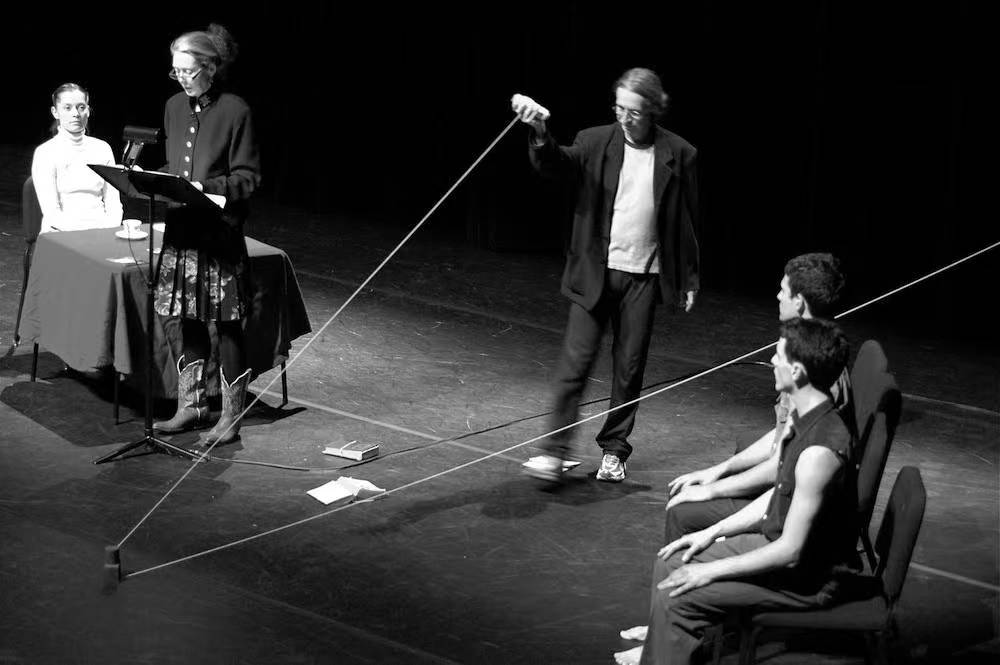
What began in spring 2020 as a collaborative seminar called “Egocircus, a Workshop in Collaboration” offered by New York University’s Creative Writing MFA has become a collective composed of Carson, her creative partner and husband Robert Currie, and students who have long since graduated: EgoCircus. Basically, it is a class that never ended. The group, with its meetings, rehearsals, visits to Iceland and Michigan (where Carson and Currie live), and breakfasts, lunches, and dinners in between Carson’s speaking engagements, shapes an open-ended practice of lost threads and care that have propelled its members forward, unsortedly, not unlike Carson’s own prose.
On the momentous occasion of their friend, mentor, and professor winning a Nobel Prize I asked Li and Xu some questions:
How many interviews have you done since the news broke—U.S. versus China?
JinJin Xu: One in the U.S.
Jiaoyang Li: In China, around 20-30 newspapers and media outlets have called or contacted me with questions. Unfortunately, the publisher who published my translation of Nox just went bankrupt. It’s all been kind of crazy.
Winning the Nobel Prize is a huge deal but not big enough to keep a Chinese publisher in business, I guess. You have been busy answering so many questions! What is one you wished someone asked?
JL: Why does Anne choose to work with an independent press like New Directions rather than one of the Big Five publishers?
What is a question you think needs to be asked to Carson?
JJX: None. She prefers no questions.
Who are you to Anne Carson?
JL: Peaches.
JJX: She once called me a giant lintball rolling around the world picking up friends.
You continue to meet Carson on a regular basis—seven of you from that initial NYU class—that is so incredible and special. Did these meetings start out with an aim? Did they lose their way? How are they structured? Why are they important?
JJX: They never have an aim and we are always lost in the most random of fissures.
How has Carson influenced your practice?
JJX: She gives strange prompts like “what is that hum?” that has no expectation of genre– and thus we can answer with humming, with our body, with an HVAC unit… Our answers surprised ourselves, and moved us beyond the page.
JL: First, we can create our work before it can be defined or put it on any table. Second, don’t seek validation from the outside world, but be true to your heart, and care about the small things and people around you. I always seem to have good fortune when I stick to these two Anne inspired principles and things tend to go wrong when I don’t.
What is your most memorable Anne Carson moment?
JJX: When she ate one blueberry for breakfast and fed the other blueberry to a squirrel.
JL: Once she sent me a drawing of herself and Currie as two cute little dogs sitting together, hand in hand, against a background of blue water. One is more muscular and the other is thinner. The muscular one is her. I told her this drawing could be titled “Goddess Self-Portrait as Sit-Down Comedians on the Seafloor.”
What is Carson’s best quality?
JJX: She is utterly truly splendidly herself.
Do you sometimes wish you were Anne Carson?
JL: No, I already feel incredibly incredibly lucky to be her student and friend.
JJX: Impossible to become her.
What is the most difficult thing about translating Carson into Chinese? What is the easiest?
JL: When I was translating Nox, the word “entry” meant both a dictionary entry and an entrance. It’s impossible to convey both meanings in one expression in Chinese. The easiest part was to think of Nox as a book about the impossibility of translation and the possibility of caring, longing, and love.
JJX: Both the most difficult and easiest thing is how she gives us utter freedom to translate her.
Was it through Carson that you and Xu began to collaborate? Has Carson helped nurture your relationship with Xu and in what way?
JL: Yes, we began collaborating in 2020 in Anne’s class, and JinJin and I formed an artist collective called silkworm pupas. I overcame my shyness and fear of speaking or performing in public through collaborating, because the “I” is no longer present, and we’re just in the circus together.
What is the rudest thing you have communicated to Carson?
JJX: I pirated her books during COVID to email to our class.
What was her response?
JJX: She supported it and called it JinJin’s pirate ship.
Talking ships. I hated The Odyssey and while watching it I wondered how many more patriarchal retellings of this F***KING story we need. Not another, obviously. Are you a classicist? Must one be a classicist to be within Carson’s orbit?
JL: I’m not a classicist! Anne hangs out with young people and outsiders living on the margins. She and Currie are both incredibly sensitive and kind towards others. We’re a wacky family.
How does it feel to have a friend who won a Nobel Prize?
JL: Life is an ego-circus~~
JJX: Her favorite emoji: 🌋.
You Might Also Like
What's Your Reaction?
