
‘Girl-Boy’ Confronts Prejudice Against Masculine Presenting Women in Nigeria

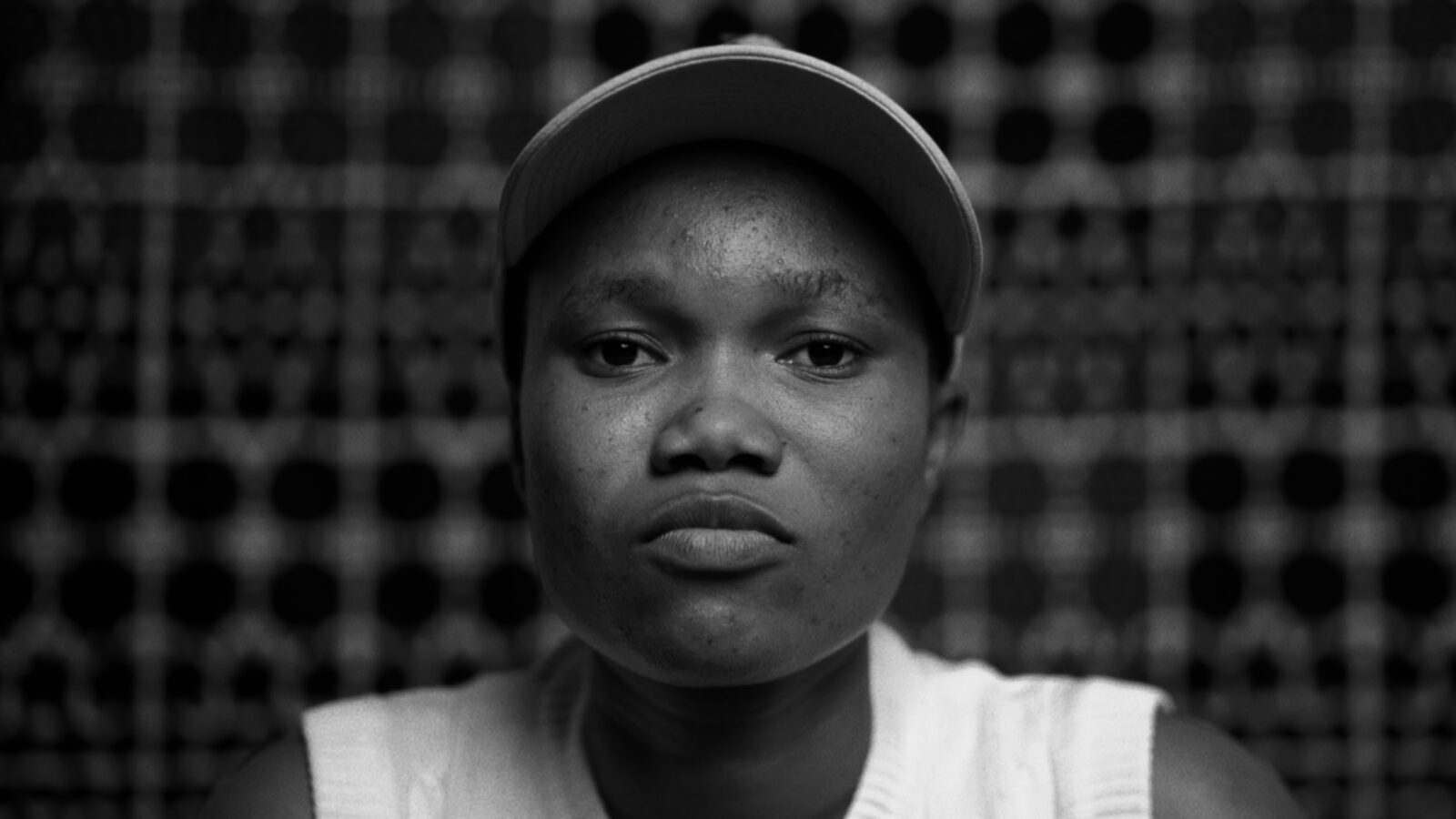

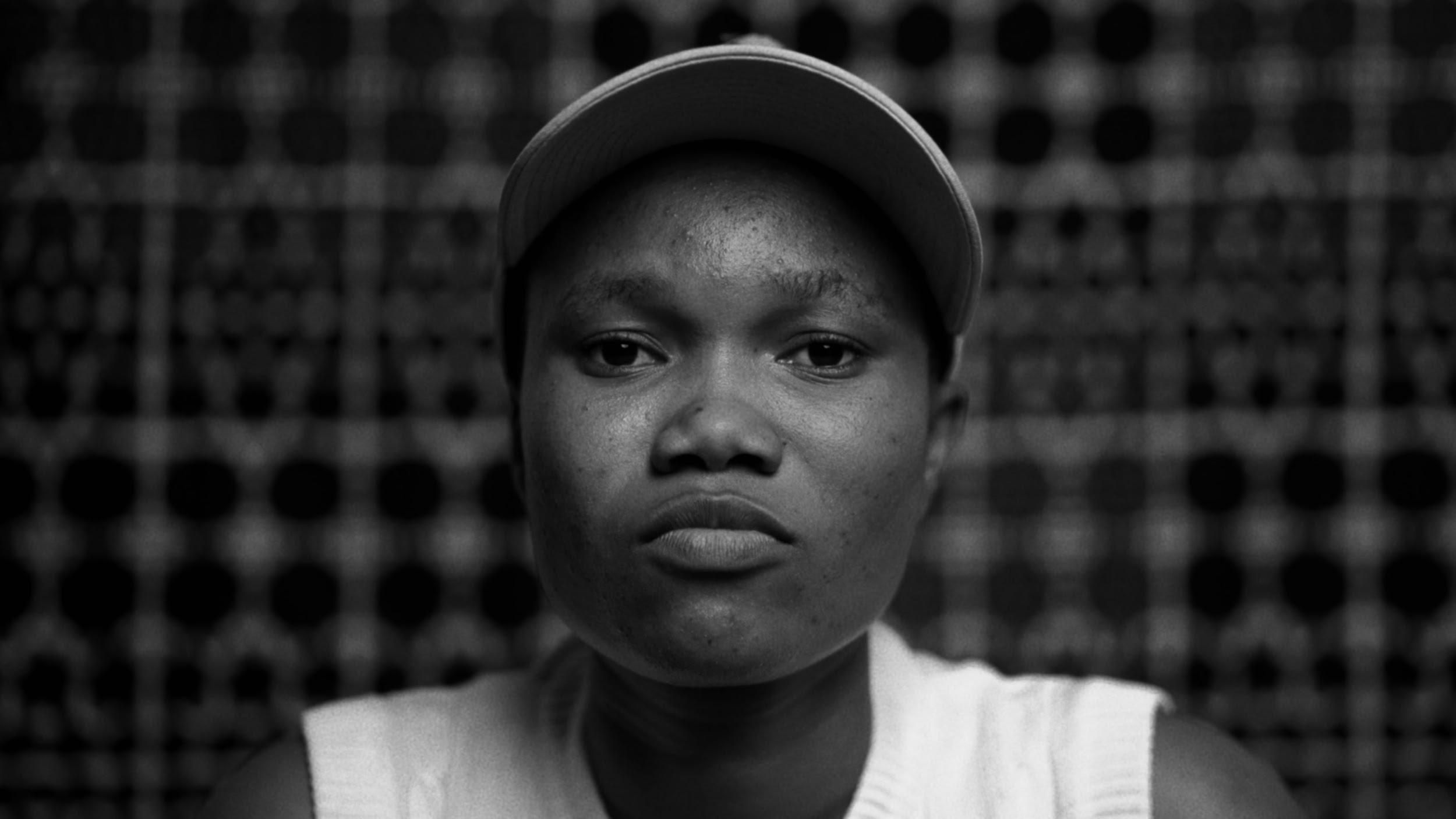
“All art is autobiographical.” Federico Fellini once declared. Girl-Boy, the short documentary by first-time filmmaker Ajay Abalaka, is not autobiographical in the strictest definition of the word; however, it’s a film informed and inspired by its auteur’s experience as a masculine-presenting woman in Nigeria.
As a child, a school teacher who thought she walked like a boy had called her a ‘girl-boy’, and questions like “Why do you behave like a boy?” have followed her well into adulthood. Like her, the documentary’s four subjects — Tinuke, Fred, Ella, and Lara recall similar incidents where, because their gender expression does not fit into a stereotypical idea of femininity, their identities have been challenged, and in some cases, they have been pressured into proving their biological sex.
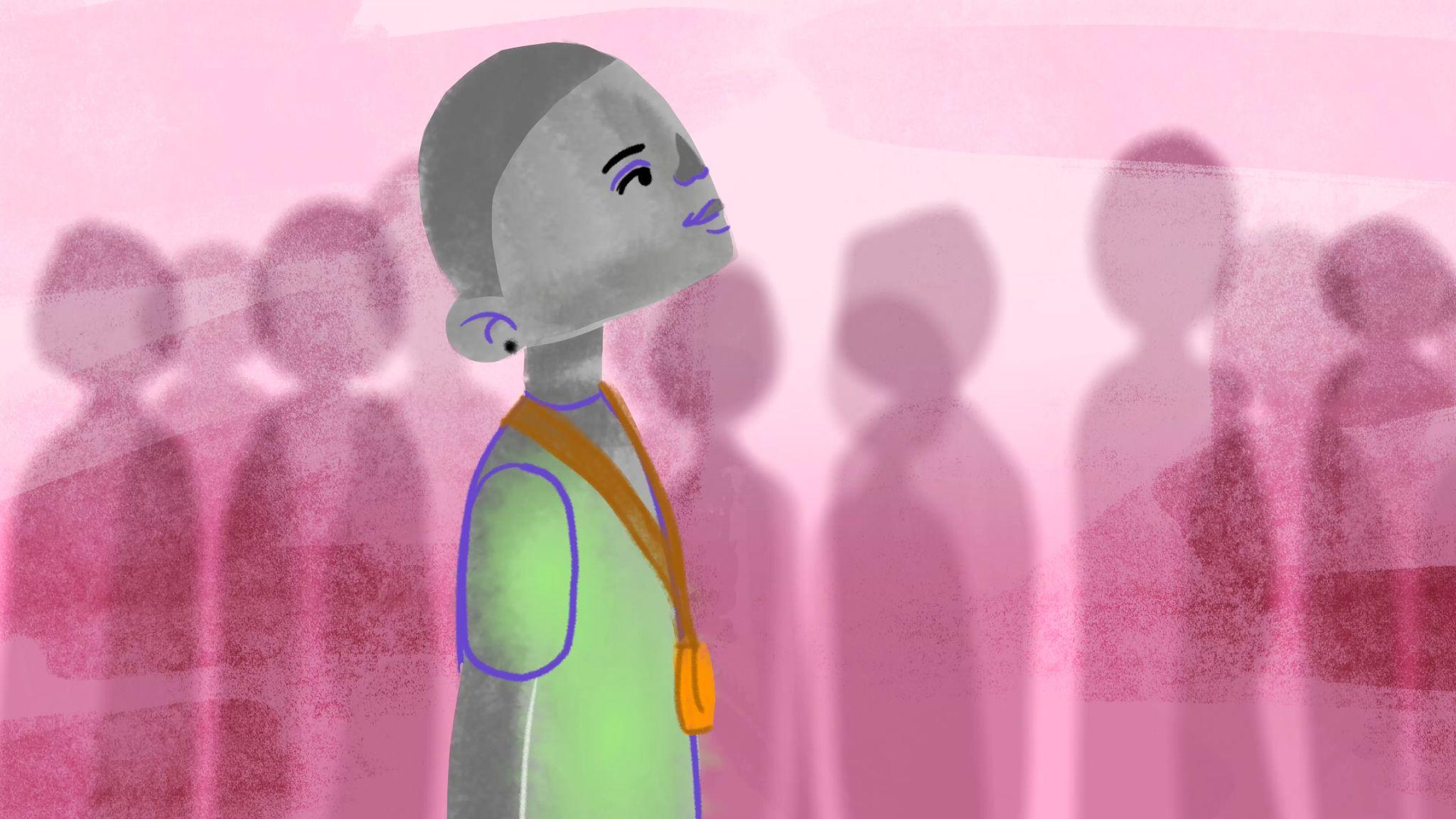
The film blends talking head interviews shot mostly in black and white with colourful, German Expressionist-inspired animation that illustrate the women’s backstories. It’s an interesting visual choice and the combination tempers seriousness with warmth. That balance is worth establishing because what the film reveals about Nigerian society’s understanding of gender identity and its attitude towards difference is damning. Broadly speaking, Nigeria is a conservative country and many people have a bifurcated view of gender that grants men more autonomy and individuality than their female counterparts.
For Fred, a talented football player raised in a strict patriarchal household in Onitsha, her passion for sport is seen as an aberration. As a woman, she is expected to marry and her father fears playing football will make her undesirable to potential husbands. Lara shares how she is often perceived to be a street hustler based on her clothing and styling choices. Her appearance also limits job opportunities, as a more stereotypical feminine presentation is deemed more employable.
Emmanuella’s account of growing up in Asaba with a masculine-presenting mother and being embraced by her male cousins disputes conservative critics who view gender nonconformity as a recent Western import. Unfortunately, the tolerance exhibited by her family is not widespread and risking societal disapproval has serious repercussions.
Tinuke recalls how throwing a houseparty led to jail time for her and her guests. After gaining entrance into her apartment under the pretext of searching the premises for marijuana and finding nothing, the police carted them off to the police station, where they spent four days in custody. Their crime? Looking masculine, which to the police, was proof that they were lesbians and therefore, engaged in illicit activity.
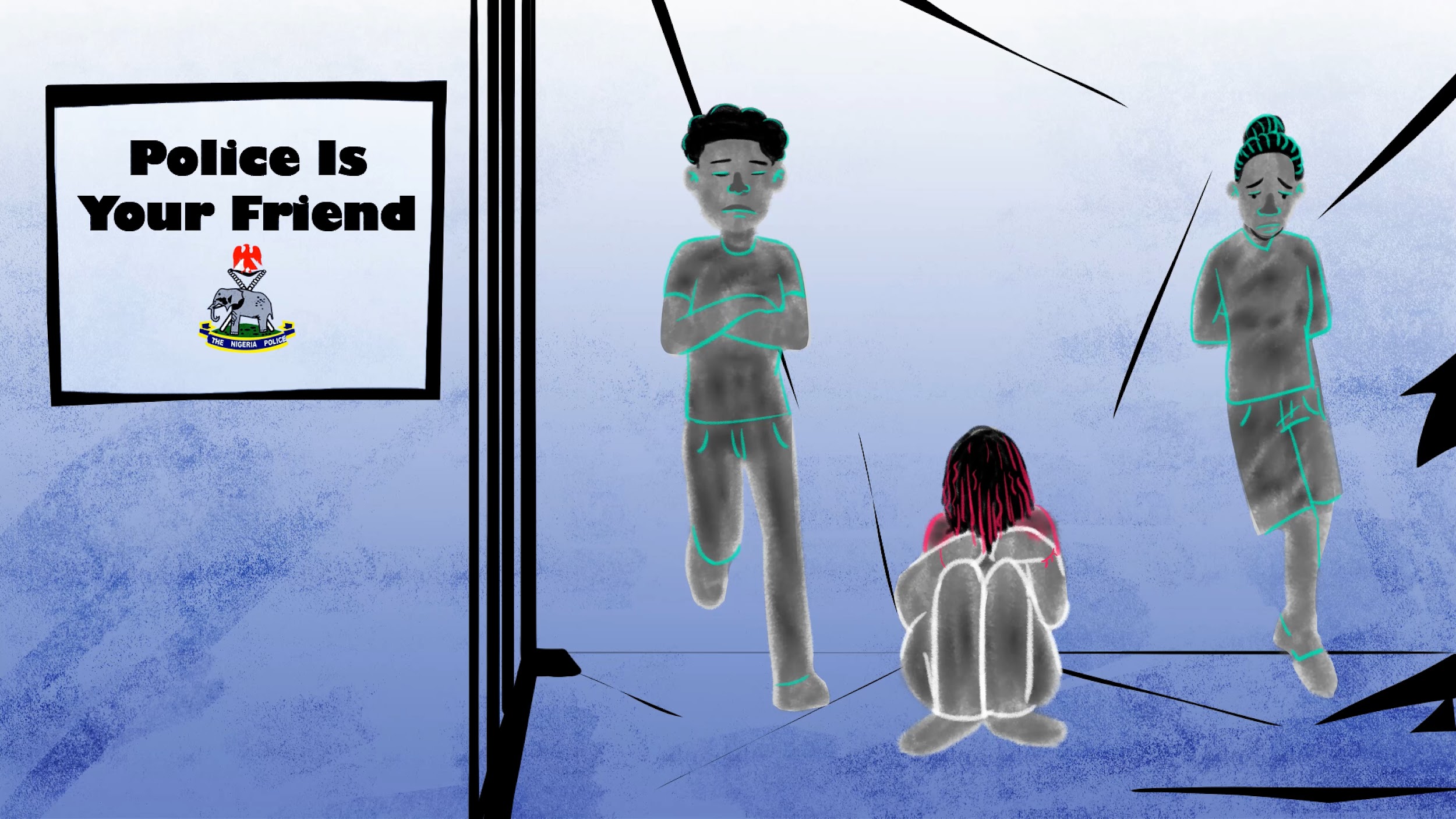
Under Nigerian law, queerness is criminalized. In 2022, Nigerian lawmakers attempted to introduce a bill proscribing cross-dressing. Already, same-sex marriage and public displays of affection attract a 14-year prison sentence. While no one has yet been successfully convicted under the 2014 Same-Sex Marriage (Prohibition) Act, its existence has been interpreted by police as a license for profiling, harassment and extortion, and it has enabled self-styled vigilantes to carry out homophobic attacks.
Despite such trying conditions, the women in the film have learned to accept and embrace themselves in all their complexities. Often shut out of women-only spaces, they have learned to build their own community and to navigate the world on their own terms, even if that means adopting hypervigilance. For them, their gender identity is strength, not weakness, and it’s up to society to change, not them. Girl-Boy may not be explicitly political, but in its own way, it pushes back against prejudice, and this makes it a protest film.
Girl-Boy debuted at the 2025 BFI Flare, the UK’s largest queer film festival and has been feted internationally at the Rio LGBTQ+ Film Festival in Brazil, the Massimadi Festival in Canada, and the Beijing Queer Film Festival in China. But outside the festival circuit, local distribution has proved a challenge. For one, independent and short films tend to struggle at the box office, and allegations of Nollywood cabals conspiring with cinema operators to sabotage their competition are rife. Additionally, there is the National Film and Video Censors Board (NFVCB) to contend with. In 2020, the government-owned regulatory body threatened the filmmakers behind Ìfé, a lesbian romance drama directed by Uyaiedu Ikpe-Etim, with sanctions and imprisonment. In response, the film’s producers eschewed theatrical release in favour of YouTube streaming.

While Girl-Boy is more preoccupied with gender expression than sexuality, its subject matter’s intersection with queer rights means that the film risks censure. So far, domestic screenings of Girl-Boy have been limited to gender-affirming circles like the Lagos Queer Film Festival and private gatherings such as the one organized by the independent film society Screen in Transit, which I attended at Abuja in January. According to Ifeoluwa Olutayo, one of Screen in Transit’s co-founders and curators, the decision to include the film in their programming was borne out of love for the film’s aesthetic value as well as a desire to spark conversations that would hopefully lead to changing prejudicial attitudes towards masculine-presenting women.
Assessing the audience demographic — young, progressive, and university-educated — that January evening, I wondered if in such a setting, the film actually posed a challenge to anyone present or whether it was just another example of preaching to the choir. However, during the Q and A segment that followed, listening to the audience members who self-identified as nonbinary or queer speak about how validating it was to see the nuances of their daily lives reflected accurately on screen reminded me that for marginalised communities, representation is a crucial step to challenging orthodoxy, and the groundbreaking work in that, which Abalaka has accomplished through this film, cannot be taken for granted.
The Gender Equity in Media Festival (GEMFest) will be screening Girl-Boy as part of their Acts of Vision shorts program on March 7 at the VIFF Centre, 1181 Seymour Street, Vancouver, British Columbia, Canada. Reserve your tickets here. Or, watch the film’s trailer here.
You Might Also Like
Kristin Stewart’s Directorial Feature Debut is Unsorted, Wild, and Searing
What's Your Reaction?