

The Silence of the Mole. A Venice Biennale Review

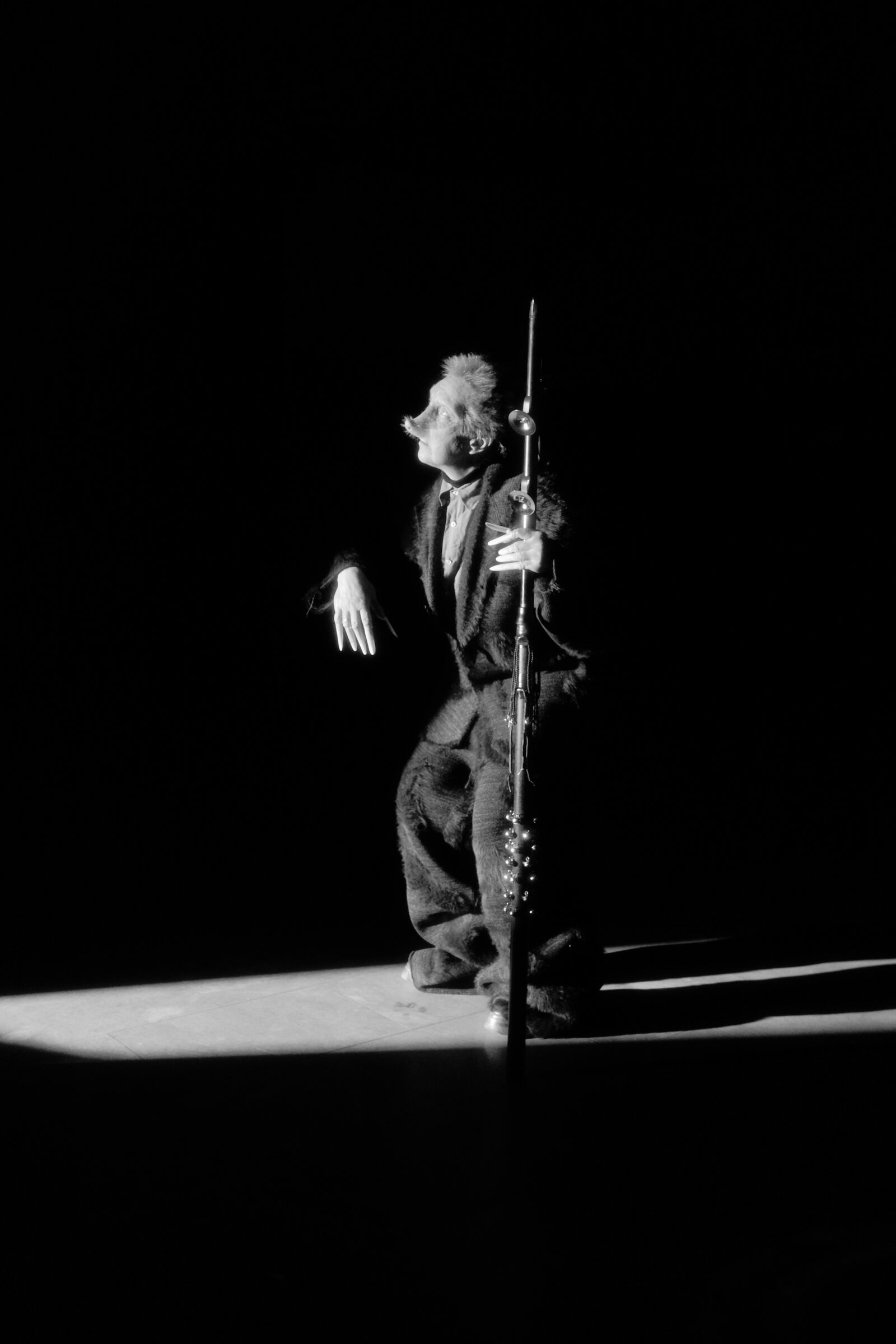

The Venice Biennale is well underway. This particular iteration is marked by global political strife, ICC warrants to the leaders of war-mongering nations, and a moral dilemma. As the world’s oldest cultural institution (the fair was inaugurated on April 30, 1895), the Biennale is no stranger to political upheaval. But this year, a question was asked: Should countries actively committing war crimes be allowed to participate? The Biennale’s prize jury thought not, and resigned to protest Russia’s and Israel’s inclusion on April 30, 2026 (notice the date). With so much political buzz around the pavilions, I held my metaphorical pearls to see what these countries would present.
Russia, Israel, and the United States’ pavilions (I add the United States to the list, since I’m sure a warrant is imminent) did disappoint. For these nations that were insistent on participating, their presentation felt like a duct-tape job, last-minute, and lazy. It seems war-mongering nations don’t know much about art, which makes sense, since good art requires empathy.
In a time when all forms of power are weighed and tested, the Biennale’s influence in crowning a country’s creativity has found itself at the intersection of a battle. On May 8th, thousands of artists and cultural workers launched the first cultural strike in the Biennale’s history. Banners stating “No Artwashing Genocide” and “Venice Biennale = Whitewashing Russian War Crimes” were waved alongside the Palestinian flag, and several pavilions closed in solidarity.
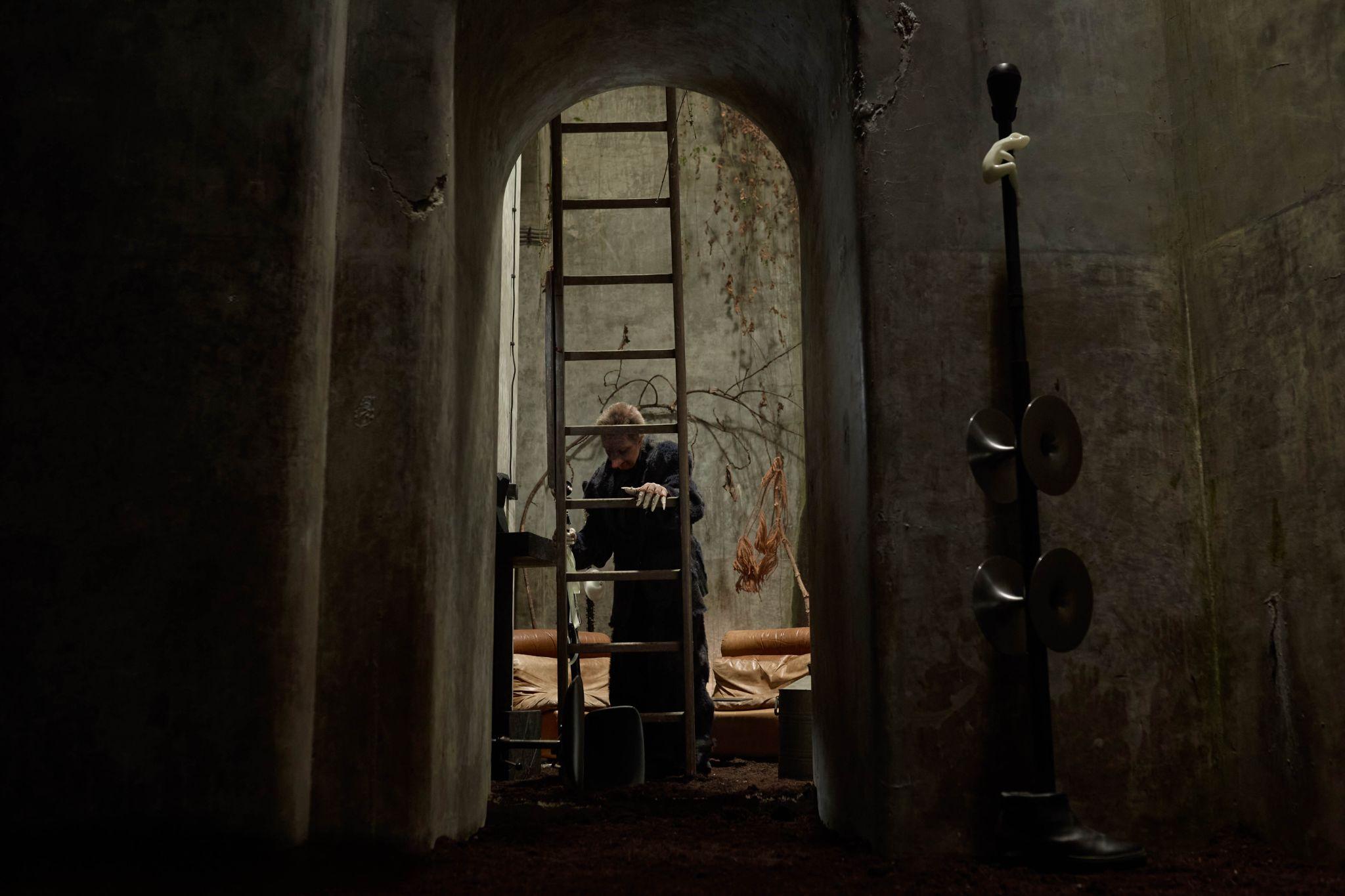
A pavilion with good art that dealt with themes of empathy, and my personal favorite, was the Czech and Slovak Pavilion with The Silence of the Mole. A short film by Czech artist Jakub Jansa and the Slovak artistic duo Selmeci Kocka Jusko (Alex Selmeci and Tomáš Kocka Jusko). Marking the 100th anniversary of the pavilion—opened as the Czechoslovak pavilion in 1926—this is the first time in twenty years the Czech Republic and Slovakia implement a joint presentation. The collaboration quietly reveals that the most enduring divisions are not those drawn on maps, but those we choose—through empathy or its absence—to uphold or dissolve.
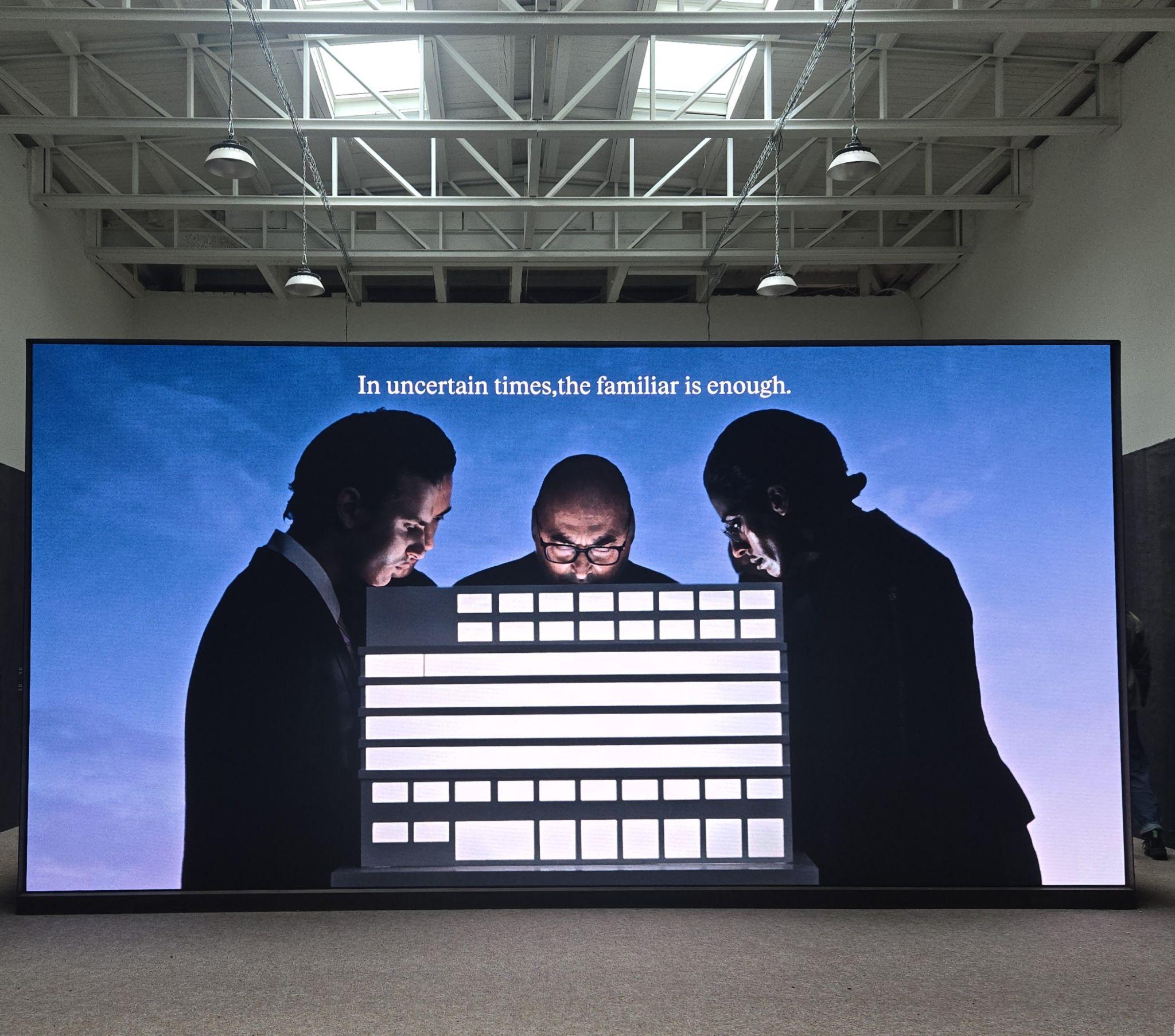
Upon entering the pavilion, visitors encounter a long, dimly lit hallway that leads to the main area, where they’re presented with a large screen at the center of the space. The film centers the anthropomorphic mole man, Mr. M., who has played the fictional mole all his life. The childhood character is a culturally ubiquitous symbol of nostalgia, and this presentation questioned what happens to creativity, as depicted through Mr. M., when it’s transformed into a tool of cultural representation. Through gorgeous cinematography, the film captures moments of Mr. M’s creative labor and his interactions with the world through his named superpower: unlimited empathy.
The film is a representation of imagination; its intangibility becomes a legible space that must combat and negotiate its identity with the outside world, as a soft power. Mr. M.’s voice and movements no longer belong to him alone, but to the crowd inside (and outside) the show, who monitor his gestures with unreadable expressions and await the performance. Through third-person narration, audience members are pulled into the story, where tension is palpable between the internal and external realities.
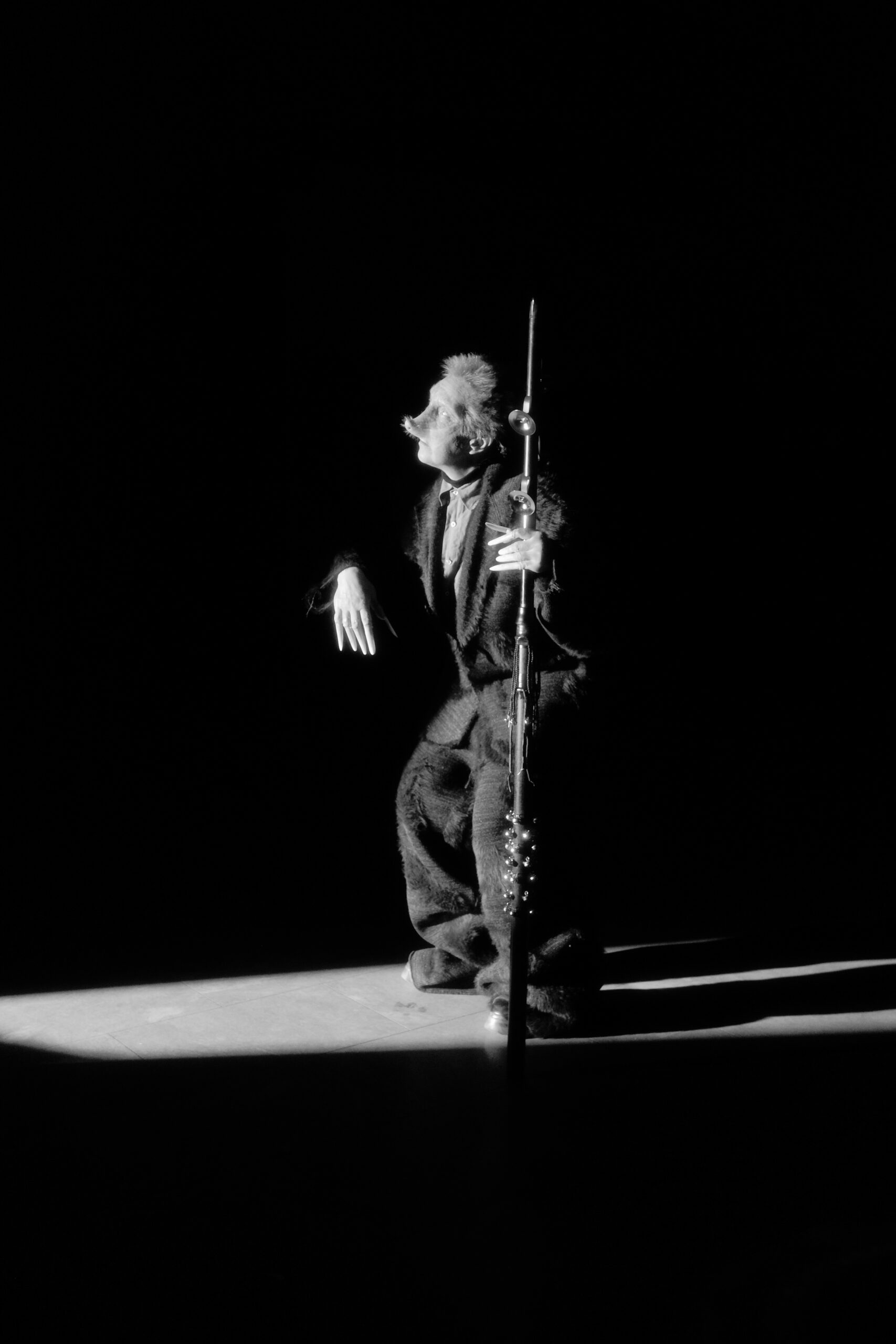
At a point in the film. Mr. M. asks, “Will we be good today?” to which we hear the reverberating response, “No, no, no way.” The question and answer seem aligned with the current geopolitical situation, in which leaders struggle to be “good today.” The Silence of the Mole stood out as a mirror of the creative world’s current position, serving as both a means of celebration and dialogue and a ground for protest as imagination becomes weaponized and exported internationally.
Silence of the Mole is on view in the Czech and Slovak Pavilion at the Giardini during the 61st International Art Exhibition, la Biennale di Venezia, through November 22, 2026.
You Might Also Like
A Commentary on the Inauguration: Art History, A Dream, and “The Politics of Aesthetics”
10 Pavilions at the Venice Biennale That Shed Light on Adriano Pedrosa’s Concept ‘Stranieri’
What's Your Reaction?
