1+1=3 When an Artist Curates at Sweet Lorraine Gallery


Amid ongoing discussions around the corporatization of the New York art world and the ever-rising cost of sustaining a practice in the city, young artists continue to arrive, persist, and build their life/work here. As an artist who made this move 15 years ago and has maintained a practice in New York since, with periods spent working across the country, I find myself increasingly reflecting on what the future holds. How do we sustain ourselves? And is it still necessary to come to New York?
A former student of mine, Alice Herbert, recently relocated to New York after graduating from UC Davis and has been navigating the realities of living and working here. Her first New York–based artist-curator exhibition is currently on view at Sweet Lorraine Gallery, located within the Treasure Island Studios building in Red Hook, Brooklyn, where she also maintains a studio. The space is part of a broader ecosystem of studio buildings that integrate exhibition spaces, supporting experimental and emerging practices.
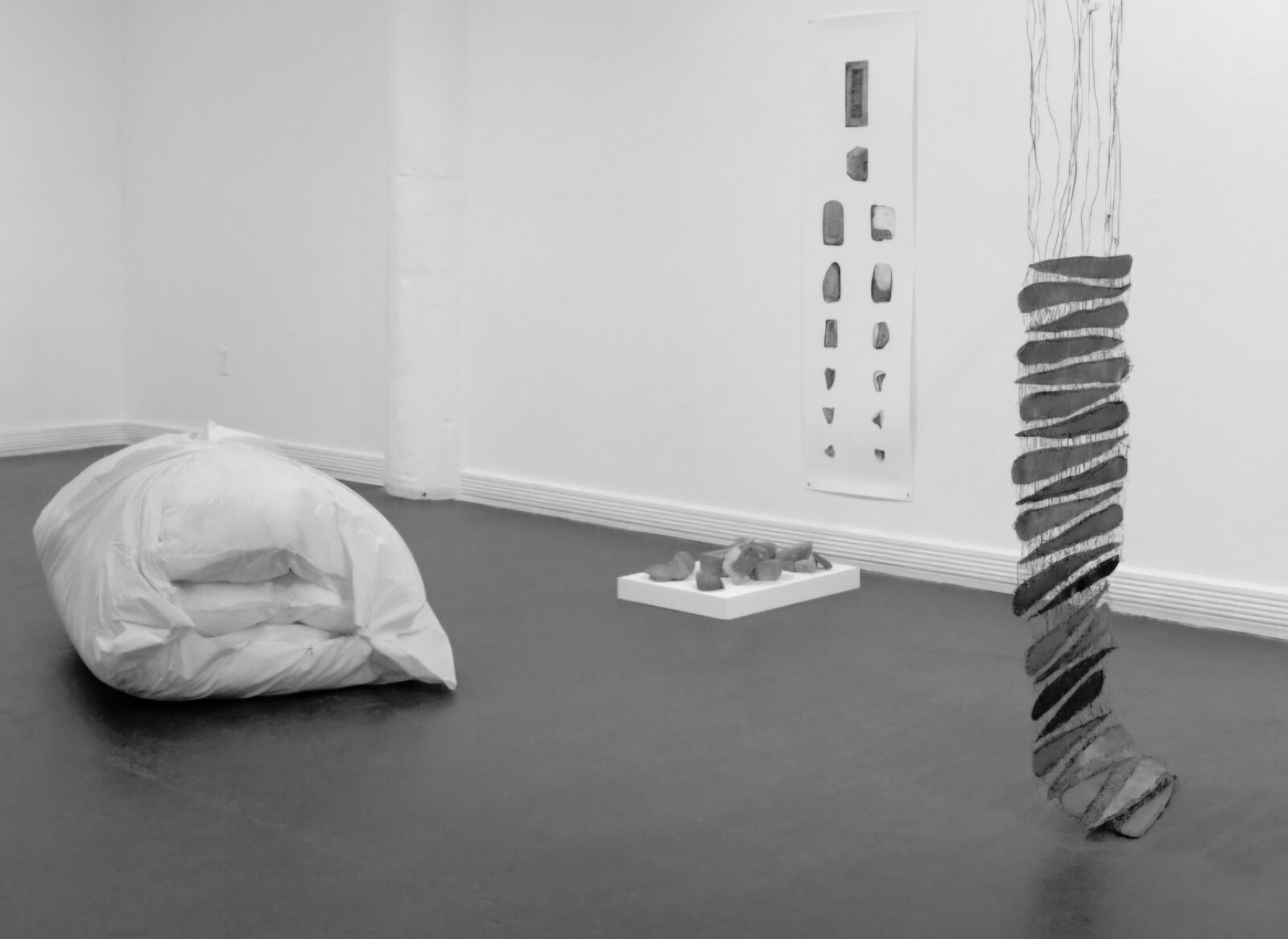
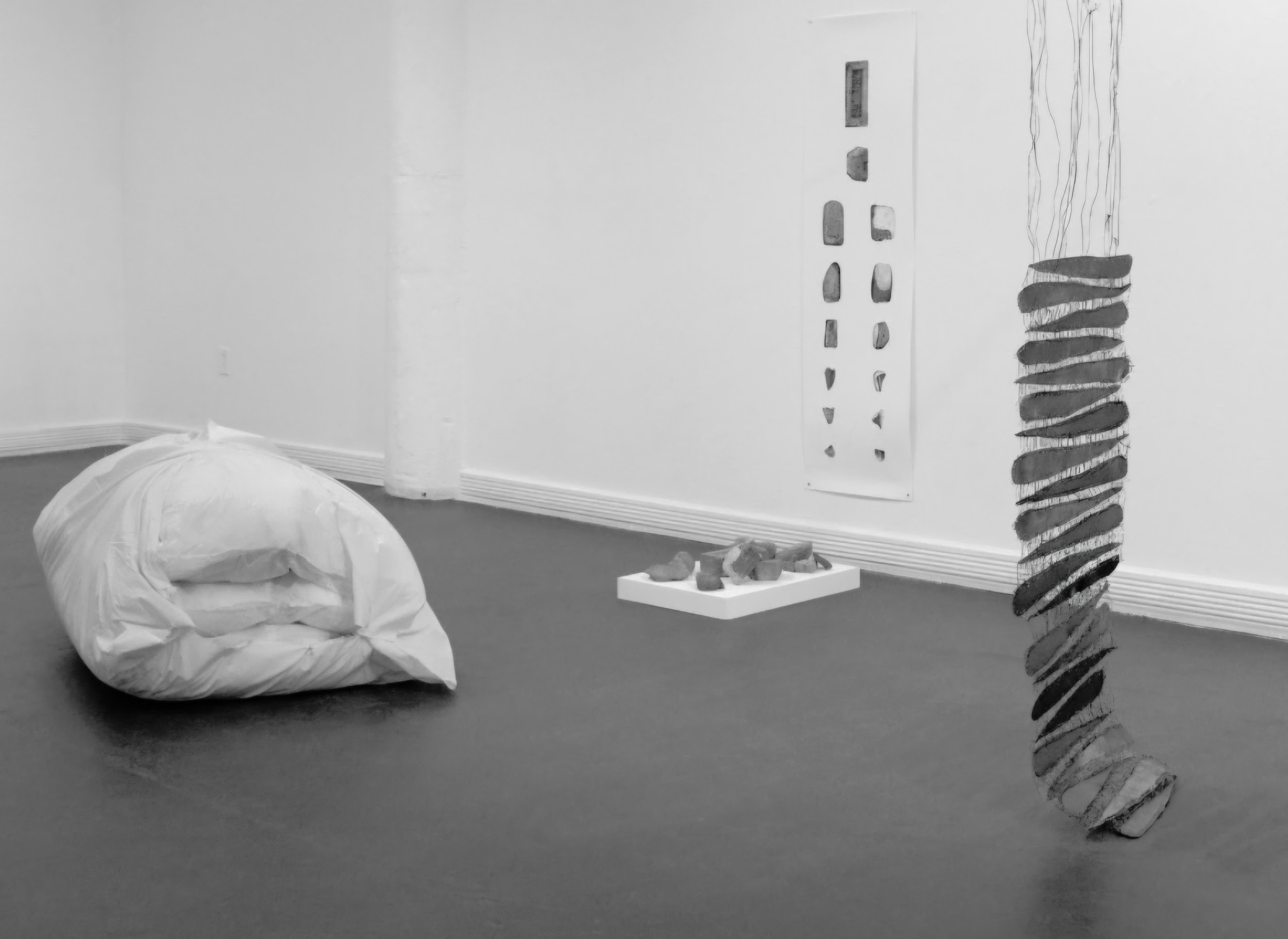
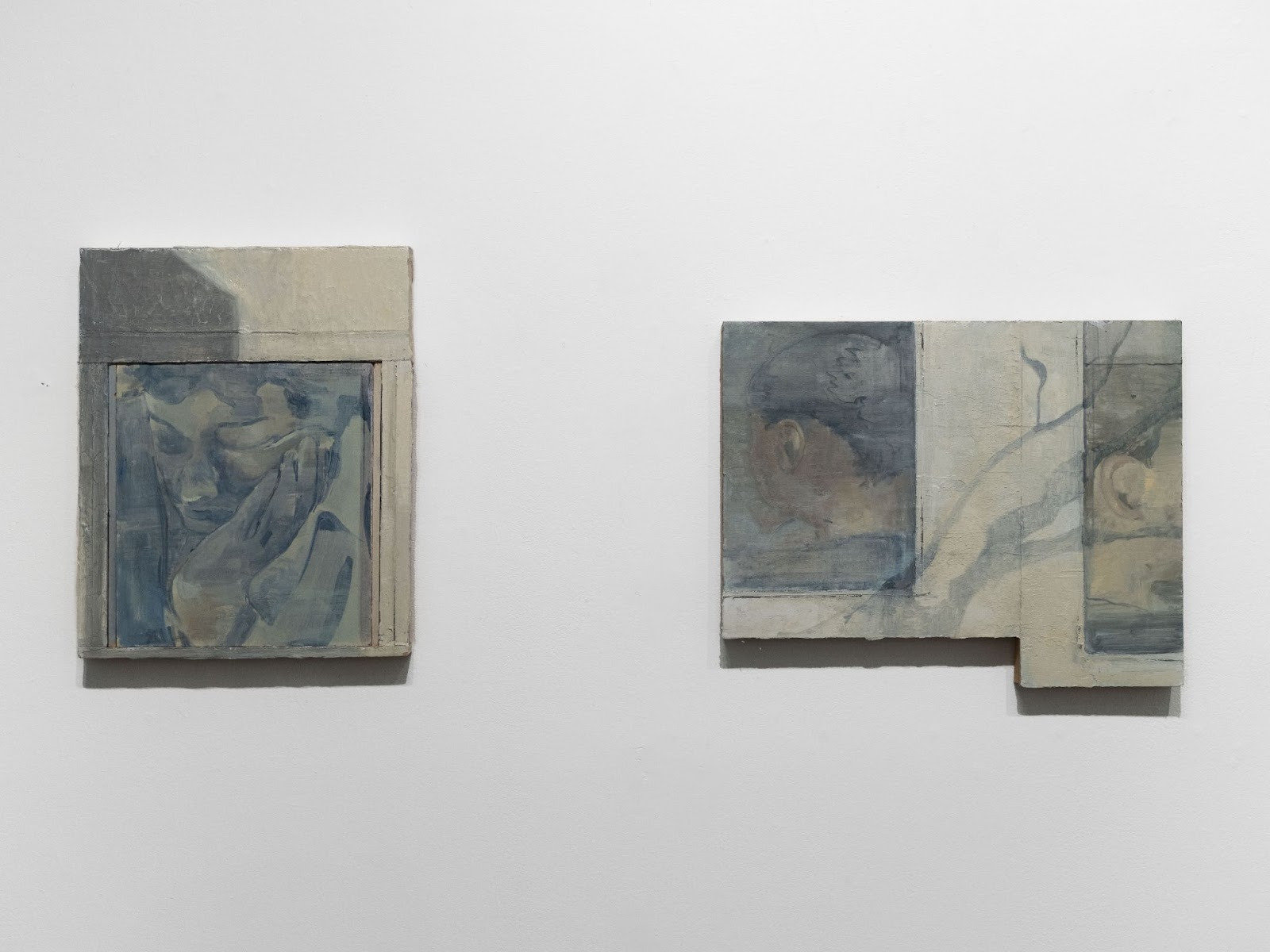
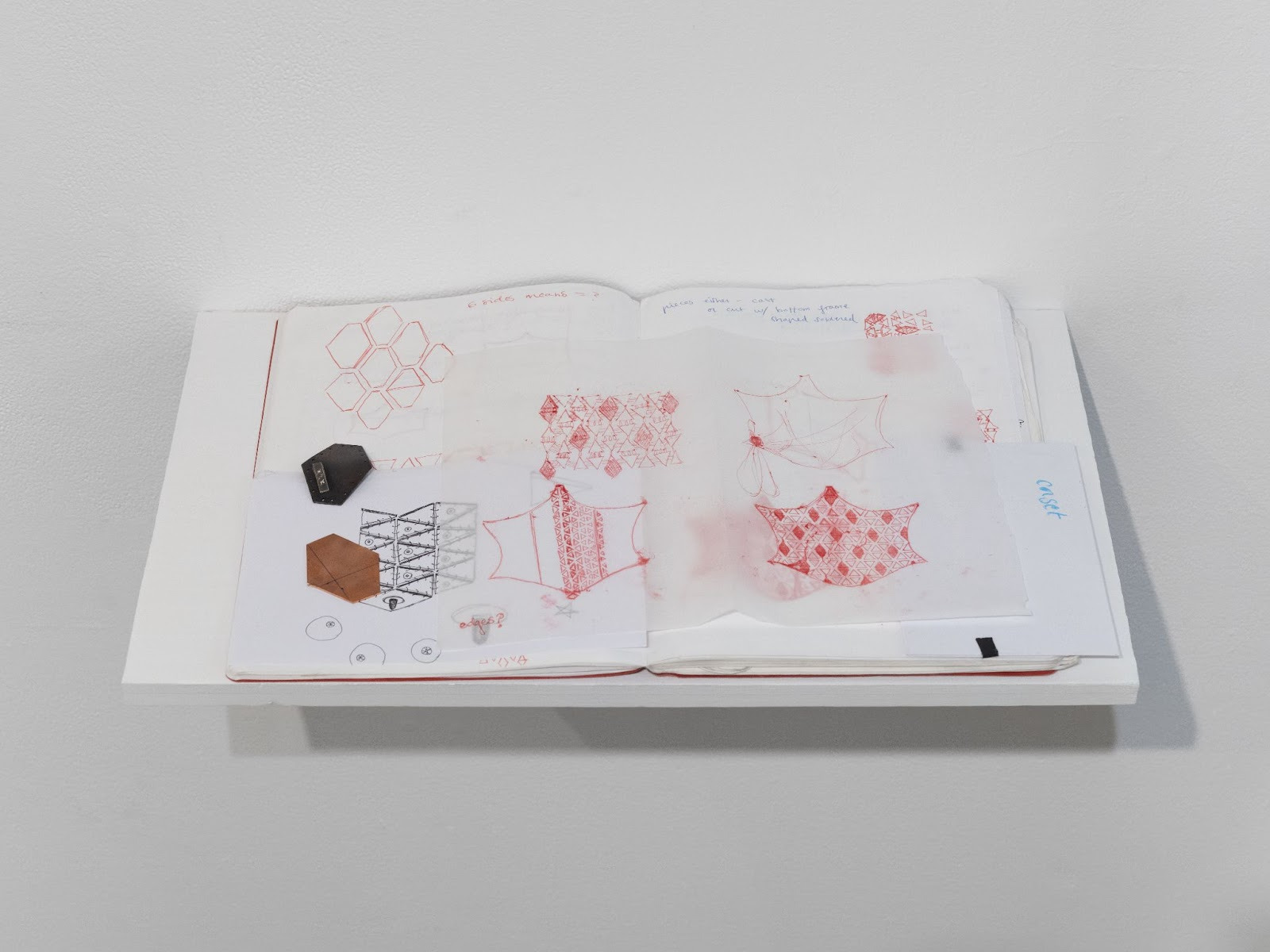
The exhibition, 1+1=3, developed from Herbert’s ongoing conversations with fellow artists around systems of information, temporality, portals (yonic), gaps, doors, loose threads, and the life cycles of objects: touching on thresholds, mapping, language, archives, and states of fragmentation, intimacy, and absurdity. Bringing together ten artists: Jamal Gunn Becker, Josue Bessiake, Jonathan Fischer, Jacq Groves, Alice Herbert, Clio Herbert, Lucía Martínez, Jamie Mirabella, Leonie Smith, and Melissa Zexter, the exhibition spans a range of media, including painting, lithographs, collage, photography, sculpture, installation, and assemblage. The works are intuitive, research-based, iterative, in progress, and cannibalized, foregrounding process.
In speaking with Herbert, we touch on relocating to the city, curating as an artist, and a process-based, conceptually driven engagement with materials.
KG: Since moving to NYC from California, how has the city shaped your practice? How do you perceive the current art landscape here?
AH: Moving to New York shortly after graduating from UC Davis, had a significant impact on both my practice and my sense of community. Honestly, I can’t imagine living anywhere else in the U.S. right now. The city feels critical and active in a way that few other places do. Being in New York you can feel how different communities, scenes, and modes of working coexist, and it’s made me think more deliberately about how and where I want to operate within that landscape.
There’s also an incredible density of programming. I can attend talks, openings, performances, or screenings almost any day of the week. The city has also made me more resourceful as an artist. Because there are so many ways to engage here, different spaces, models, and communities, you start to think more flexibly about how to participate and contribute, and ultimately how much is possible.
What has been most important, though, is the sense of real, physical community. There is a huge mass of artists here, and we’re constantly encountering each other in studios, at openings, or through organizing projects together. That level of proximity makes it possible to build relationships that sustain a practice. Right now, especially, being in community feels essential, not just professionally, but personally. There’s a strong sense that artists need to support one another and create spaces for mutual engagement. New York makes that possible in a way that still feels very alive.
KG: I’m curious about your desire, as an artist, to curate the work of other artists. Could you speak to that?
AH: I think for artists, the impulse to curate is obvious. We’re already in conversation with each other’s work, so why wait for someone else to decide to put those works together? If you have an idea for a show and want to see something exist, you need to do it. For me, curating came out of relationships that were already there. I feel deeply connected to the work in the exhibition and to the artists who made it. These were artists I was drawn to, and people I spent hours speaking with during studio visits and ongoing conversations about their work.
Curating is a process of sustained attention, first through dialogue with the artists, and then through physically designing the exhibition and spending time with the works in the space. It’s a real privilege to engage with work at that level. As artists, we’re constantly looking closely at the work of other artists, at openings, in studios, in museums. Curating feels like a natural extension of that.
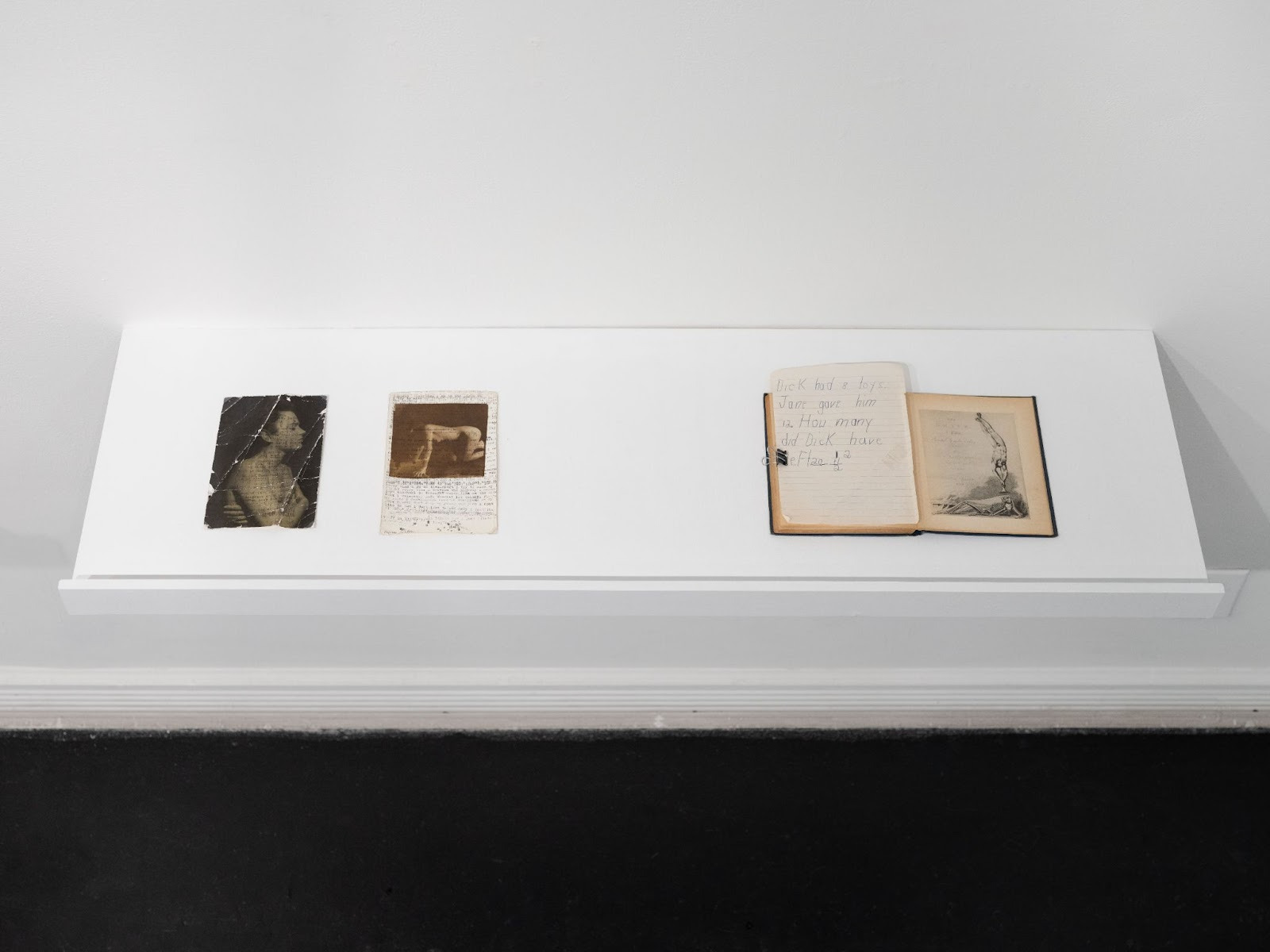
KG: Your curation pays a strong attention to materiality and found fragments: of life, of care, of humor, within a restrained, muted palette, while leaning into an atmosphere of subtle absurdity that is reflected in the title 1+1=3. What were your considerations in shaping the exhibition’s themes, aesthetics, and relationships between the works?
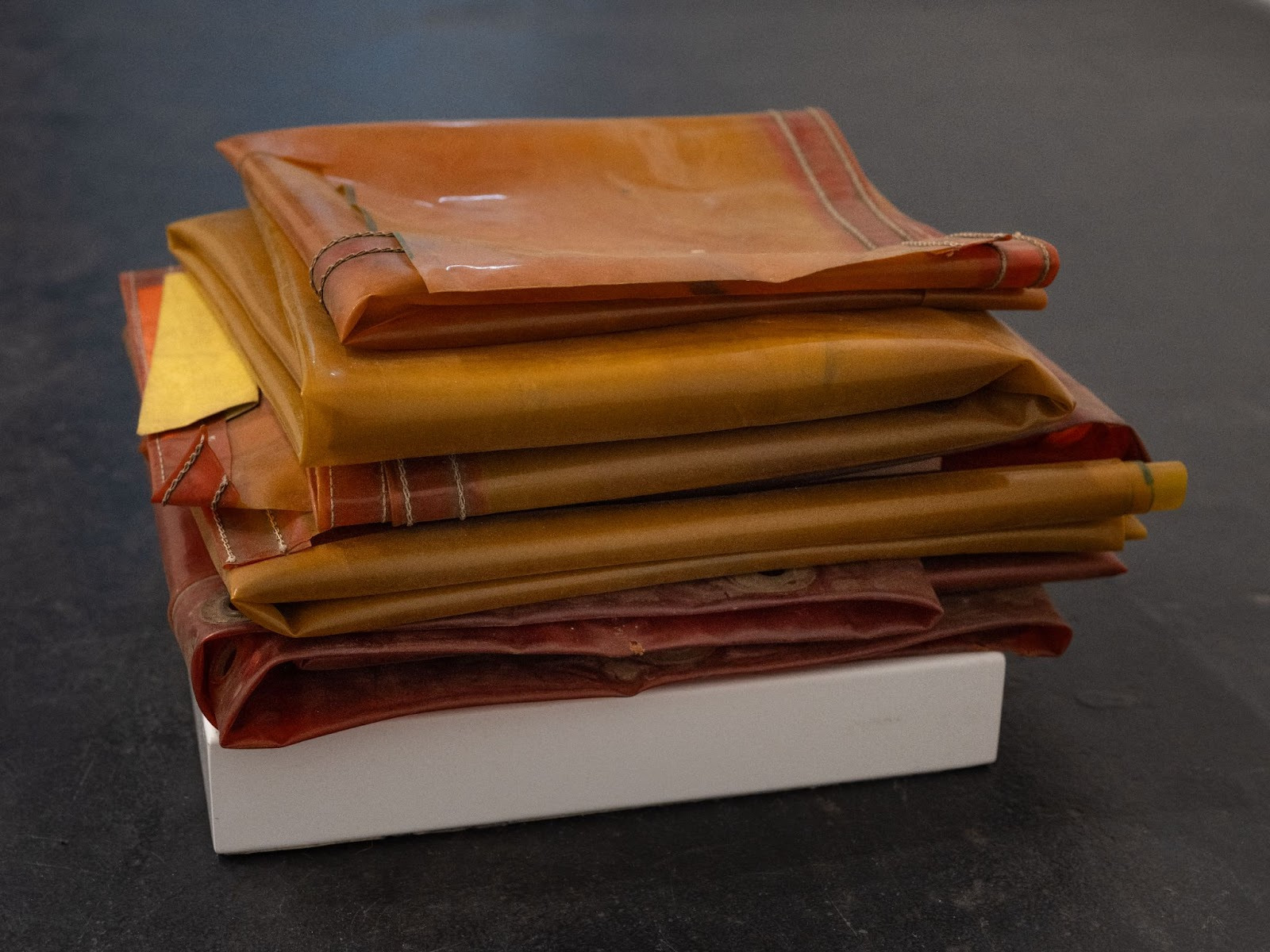
AH: Materiality is a big part of my own practice. I work with alternative materials in bookmaking, photography, installation, and sculptural pieces, often thinking about scale and iteration. There is a real need for care and protection, as well as encouragement and support. But at the same time, nothing is quite as it seems, there’s a certain illogicality to it. That tension is part of where the title 1+1=3 comes from. I arranged these works in the space, but the meaning, friction, or magic between them ultimately emerges through perception of the works. That experience, the interaction between viewer, object, space, and time, is the additional part. That’s the “third” in 1+1=3.
The open call emphasized works that engage with the aesthetics of archives, research, and systems of organization, alongside ideas of in-betweenness and inexplicability. Systems of order and classification, libraries, archives, catalogs, always prioritize certain information and ways of thinking. I’m interested in how those structures become visible, and how they might be disrupted.
KG: What do you hope audiences take away from 1+1=3?
AH: I hope it leaves people thinking not only about the work itself, but also about how we build and sustain ourselves right now. More than anything, I want to see artists putting together the exhibitions they want to see in the world. Part of the magic of artists curating artists, especially within a DIY space, is the immediacy with which an exhibition can come about. There was very little waiting between talking about the show and our work and then seeing it all together installed. That may be the extra thing the title is referencing. That immediacy, how something can emerge when artists organize together, is an important function for an artist audience.
1+1=3, featuring Jamal Gunn Becker, Josue Bessiake, Jonathan Fischer, Jacq Groves, Alice Herbert, Clio Herbert, Lucía Martínez, Jamie Mirabella, Leonie Smith, and Melissa Zexter and curated by Alice Herbert, is on view through April 28, 2026, at Sweet Lorraine Gallery, TI Art Studios, 183 Lorraine St, Brooklyn, NY 11231.
You Might Also Like
Interview: Supported by A.I.R., Jane Swavely Returns to the Art World
What's Your Reaction?