

Elsa Hammarén Frames the Feeling You Can’t Explain

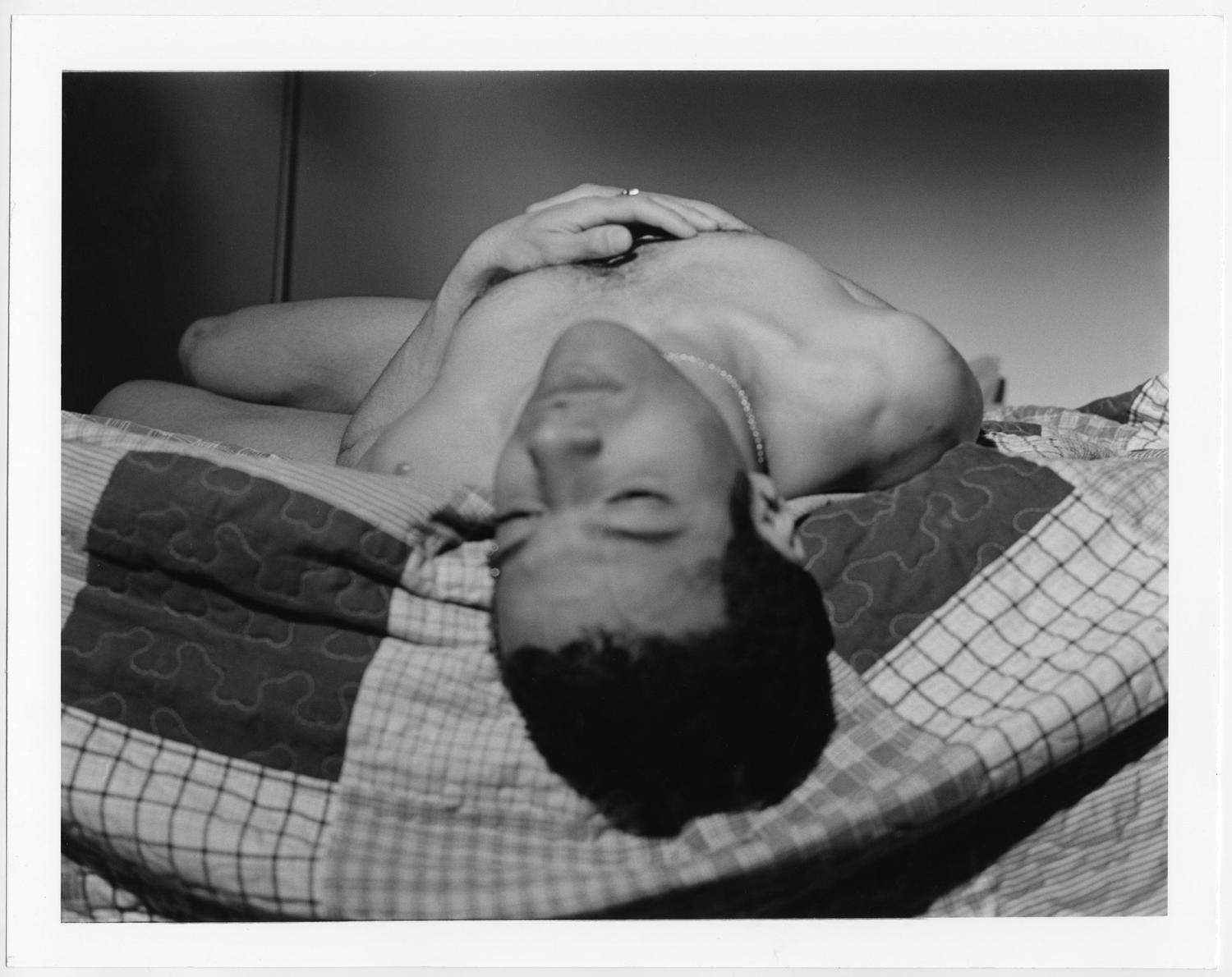

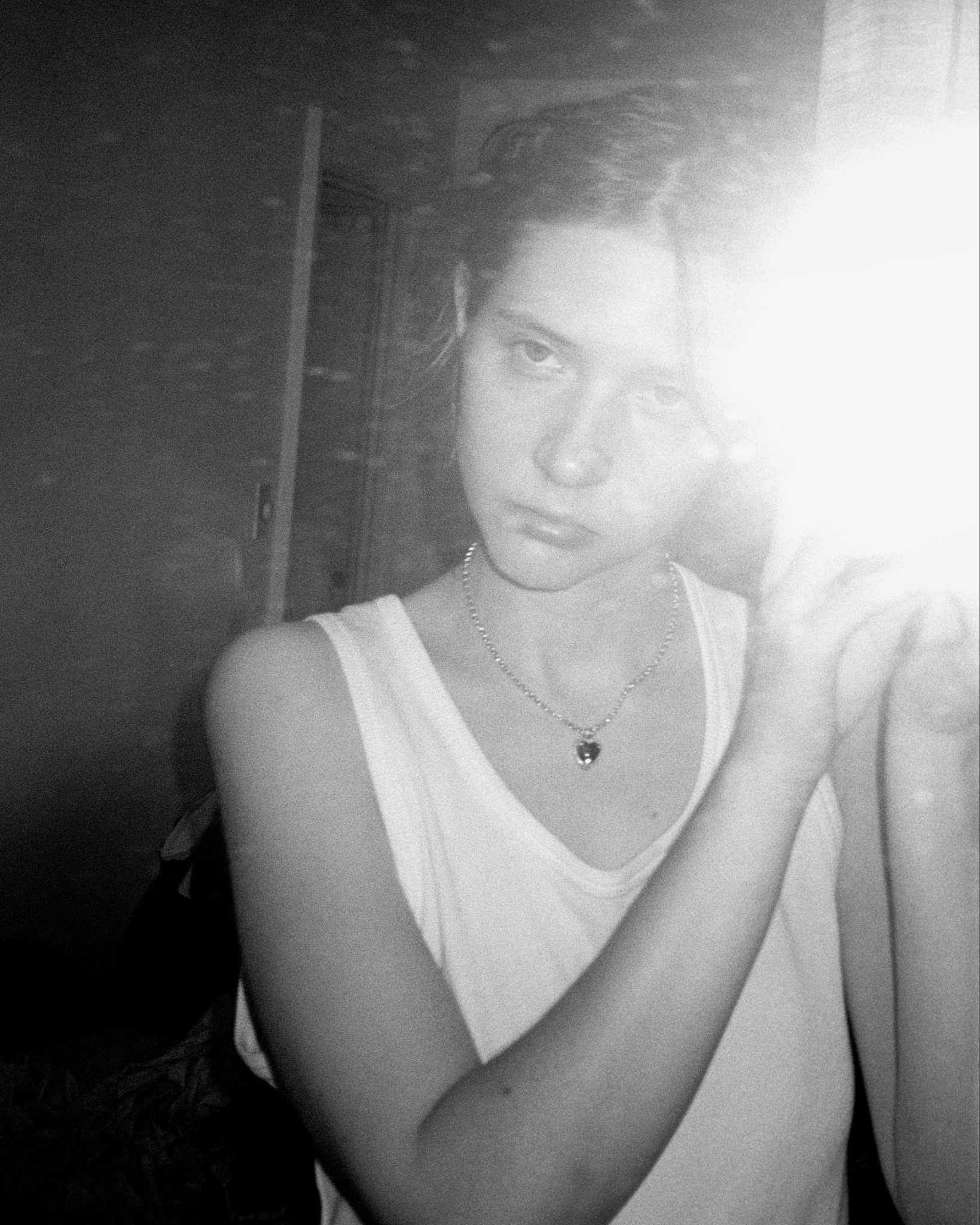
Elsa Hammarén belongs to a generation of image-makers less interested in spectacle and more invested in sensation. If traditional portraiture asks who are you, her work leans closer to what does it feel like to be here, now, just before something shifts. The camera becomes less a tool of capture and more a surface for projection—of memory, of longing, of disquiet. In her ongoing multi-year photography series SHY, Hammarén traces the unstable terrain of desire among friends, lovers, and in-between figures moving through New York and Paris.
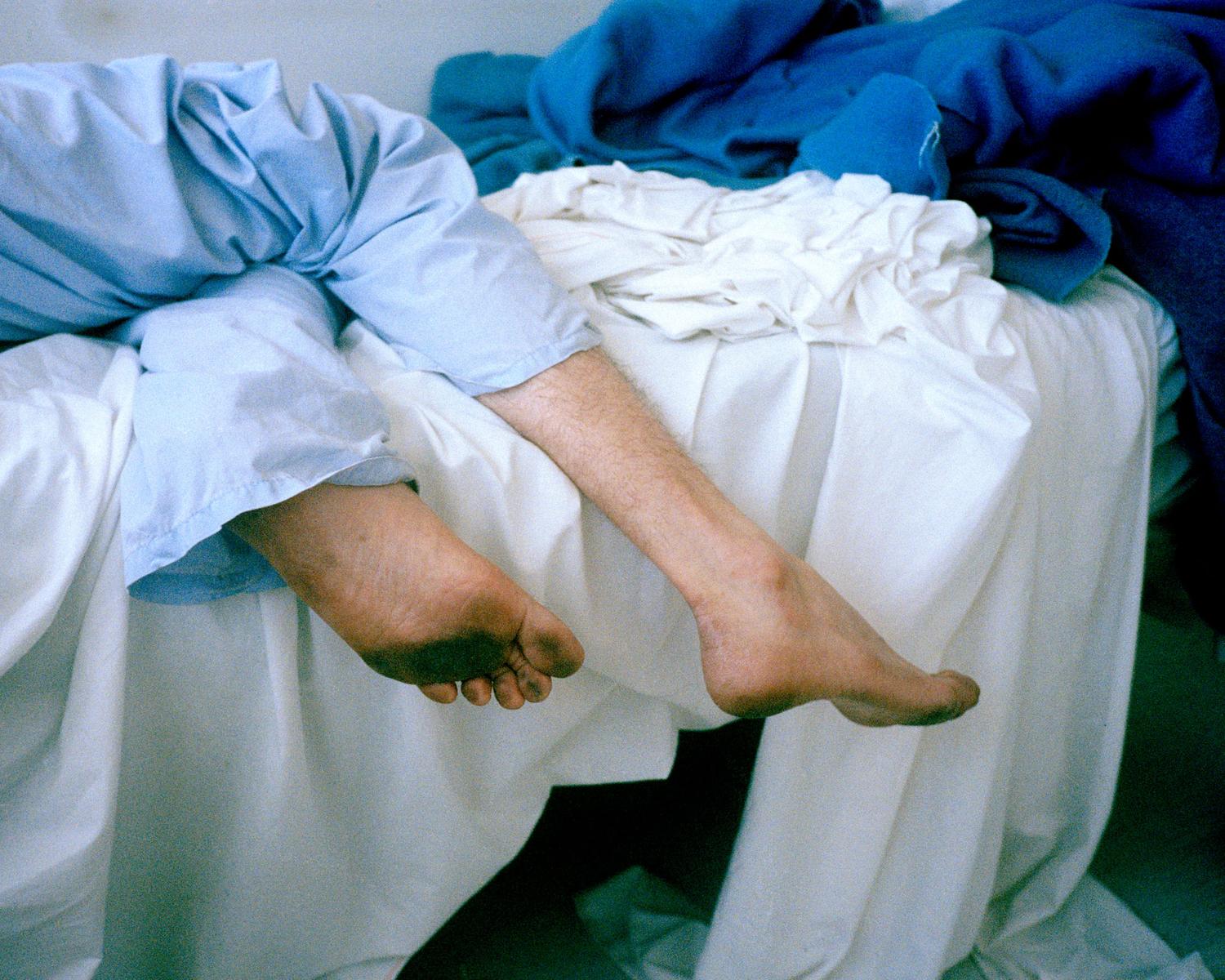
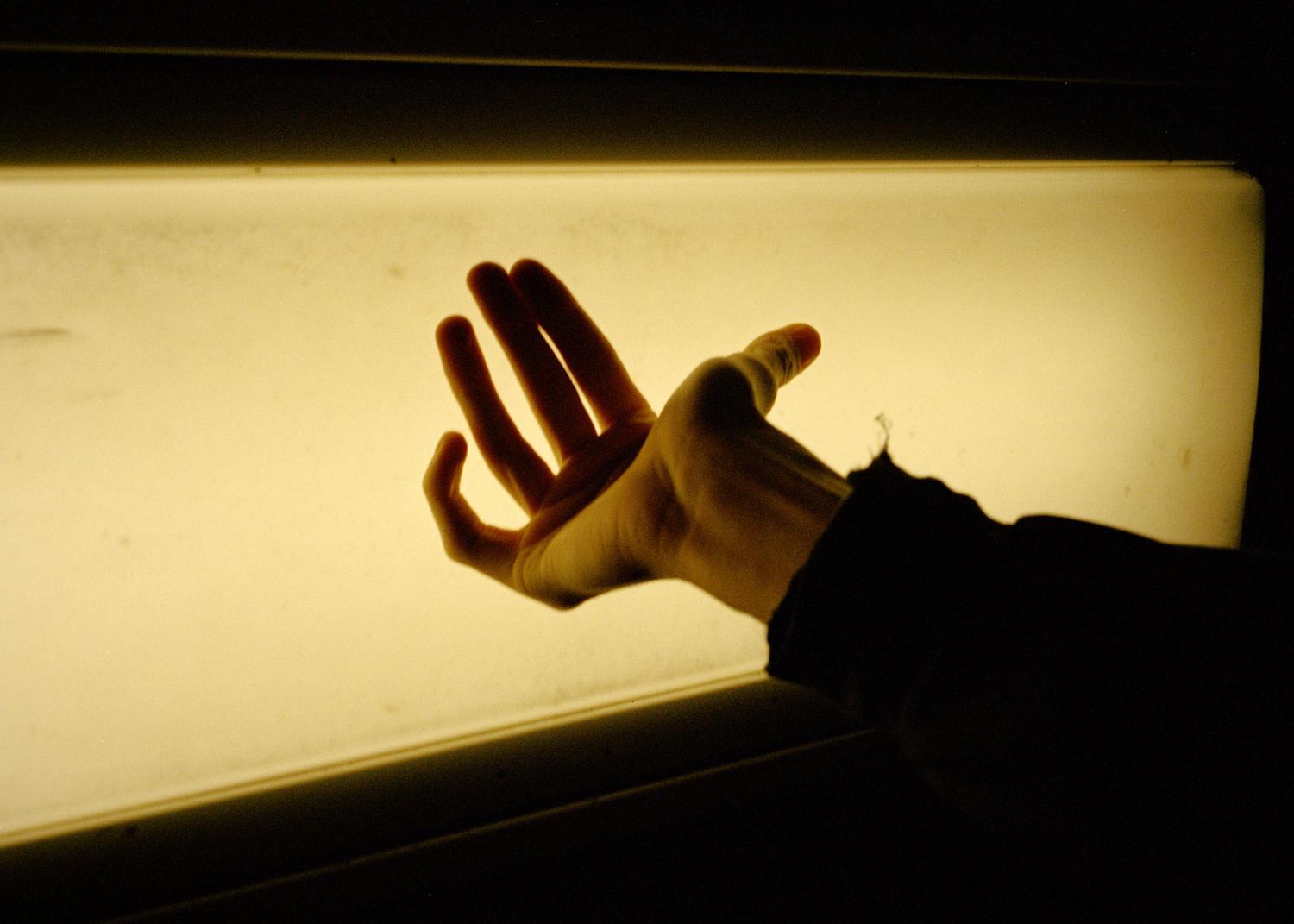
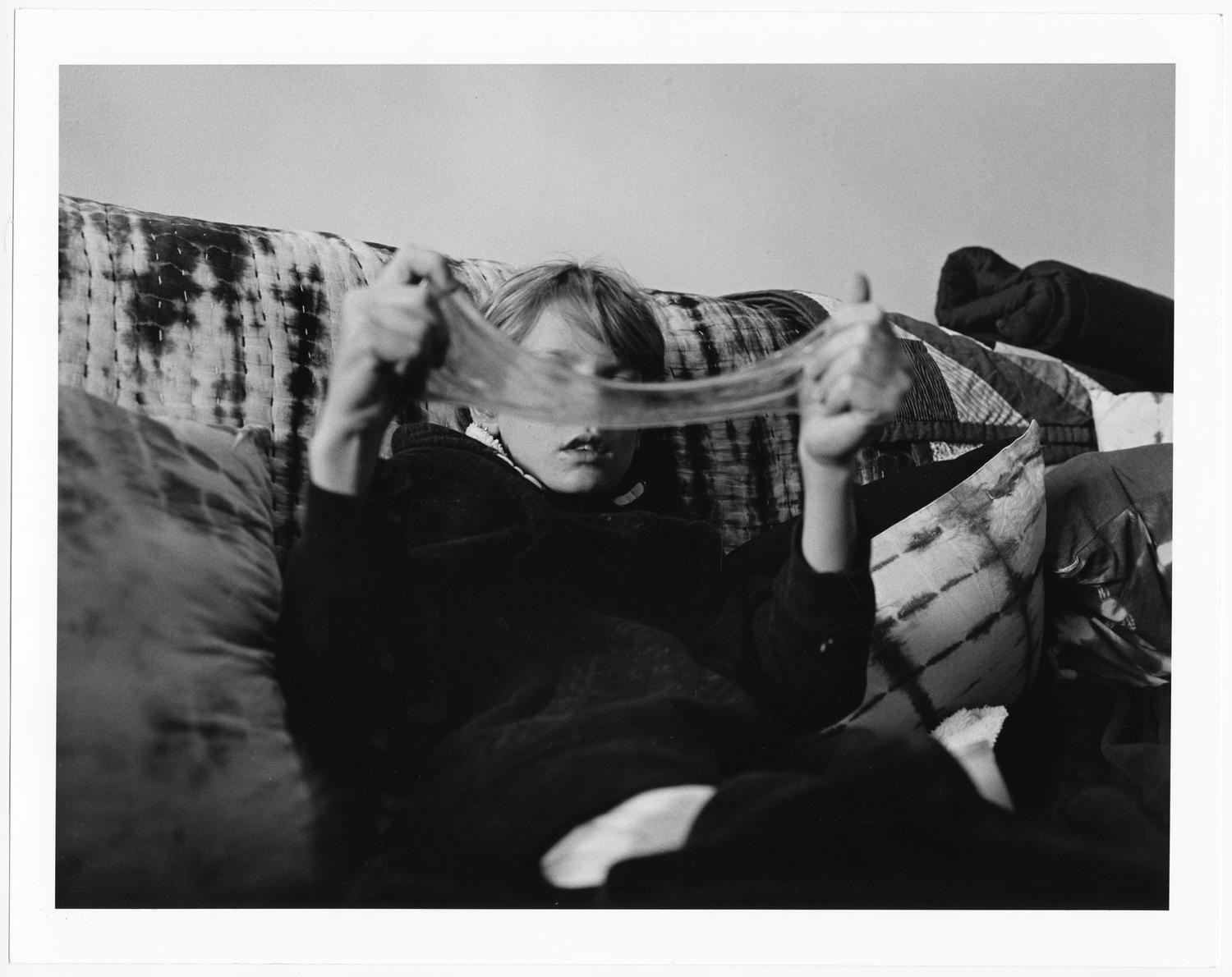
Her images don’t announce themselves. They hover. They flicker at the edges of recognition—skin washed in sunlight, feet mid-breath, a face obscured as if completing the image is less important than its capture. The project unfolds as a kind of living diary. After living in Paris, Hammarén is now based in New York, but hails from Gothenburg, in Sweden. Deftly shot in analog, the images in SHY feel less like documentation than confession—fleeting, intimate, and sometimes evasive, as if closeness itself were something to circle rather than claim.
Hammarén works across color and black and white, building a unique language that resists resolution. A 2024 Director’s Fellow at the International Center of Photography, she presented chapters of SHY in 2023 at Studio Tabac (Stockholm) and Ex Nihilo (Copenhagen), with exhibitions spanning Europe and the U.S. Alongside her art practice, she approaches fashion with the same instinct—working with Our Legacy and Hodakova, and contributing to Office Magazine, Vogue, Vogue Scandinavia, Vogue Korea, Period Zine, and Purple Magazine—doing the difficult work of keeping the raw edge that draws people to SHY intact across her commercial work.
What drew you to photography?
Time and holding on to moments and relationships that otherwise feel fleeting.
Could you tell me a little bit about your project SHY, which has been exhibited in Copenhagen, Stockholm, Paris, and New York between 2023 and 2025. How has the project evolved?
SHY is, and remains, it is still ongoing, a diaristic project. It explores themes of desire, youth, and relationships. It is shot in New York and Paris and mainly features my friends. It’s been amazing to receive and continue to receive invitations to exhibit it, as I am interested in what happens when the private meets the public. The response of the audience influences the work somehow.
Something that has changed over time is that I’ve fallen in love with the process in the darkroom, and I spend much more time finessing prints in there rather than working with scans. Besides the technical element, my approach to photography is ever-evolving. Lately, I’ve been more into scheduling time slots with people in order to take their portraits rather than just capturing them during slices of moments. It has allowed me to formulate myself more clearly about the themes that SHY explores. During portrait sessions, I will still allow anything to happen, they are not that staged or thought out.
Talk to me about the editing process.
Once you take the picture, selecting it and seeing what relationship it has to other images makes all the difference. This part of the work is challenging, and time plays a large role; when time passes, one develops a different relationship to the work, and it can be easier to see what works and what doesn’t. People focus on different things while doing these edits; some work completely by intuition, or by shape, form, and color, while others are more focused on the narrative. For me, sequencing is close to a dream state, where the images, similarly to cinematography in a movie, take me in and out of different stories and feelings. I often have to workshop an edit over and over again for it to feel right. Working with someone else, especially in a book-making process, can be essential, but hearing too many voices can be distracting. I like to work with a few, trusted, select colleagues.
When it comes to retouching, I just deal with color corrections and removing dust as well as either enhancing the contrast or correcting exposures. For the black and white work, all sorts of changes happen in the darkroom. I am not against others who further photoshop, but it just doesn’t fit my style. I like when my photos feel raw, but I find it necessary to look after color relationships, contrast and exposures.
How do you balance commercial work and your artistic, personal work? Which projects feed into each other, and when do you have to draw a line between?
I’ve been very lucky to have clients who reach out to me based on my artwork, it allows me to stay true to my style. I love being part of the full production, and making the choices in casting and location but yet it invites collaboration with the clients and ideas that otherwise wouldn’t have been explored. The natural fast pace of commercial work also pushes those ideas to be realized. Editing and workshopping ideas back and forth over a longer time span is something commercial work unfortunately doesn’t allow, but it’s a good, fun contrast to slower ways of working. I think both artistic and commercial work feed into each other. I have also been photographed a lot myself, both as a model and for friends who are artists. I really value that experience, and I think it has formed how I interact with my subjects when I am behind the camera.
You Might Also Like
Interior Isolation: How Two Photographers Captured Their Experiences of Quarantine
What's Your Reaction?
