The Photographs That Made Yves Saint Laurent a Fashion Icon

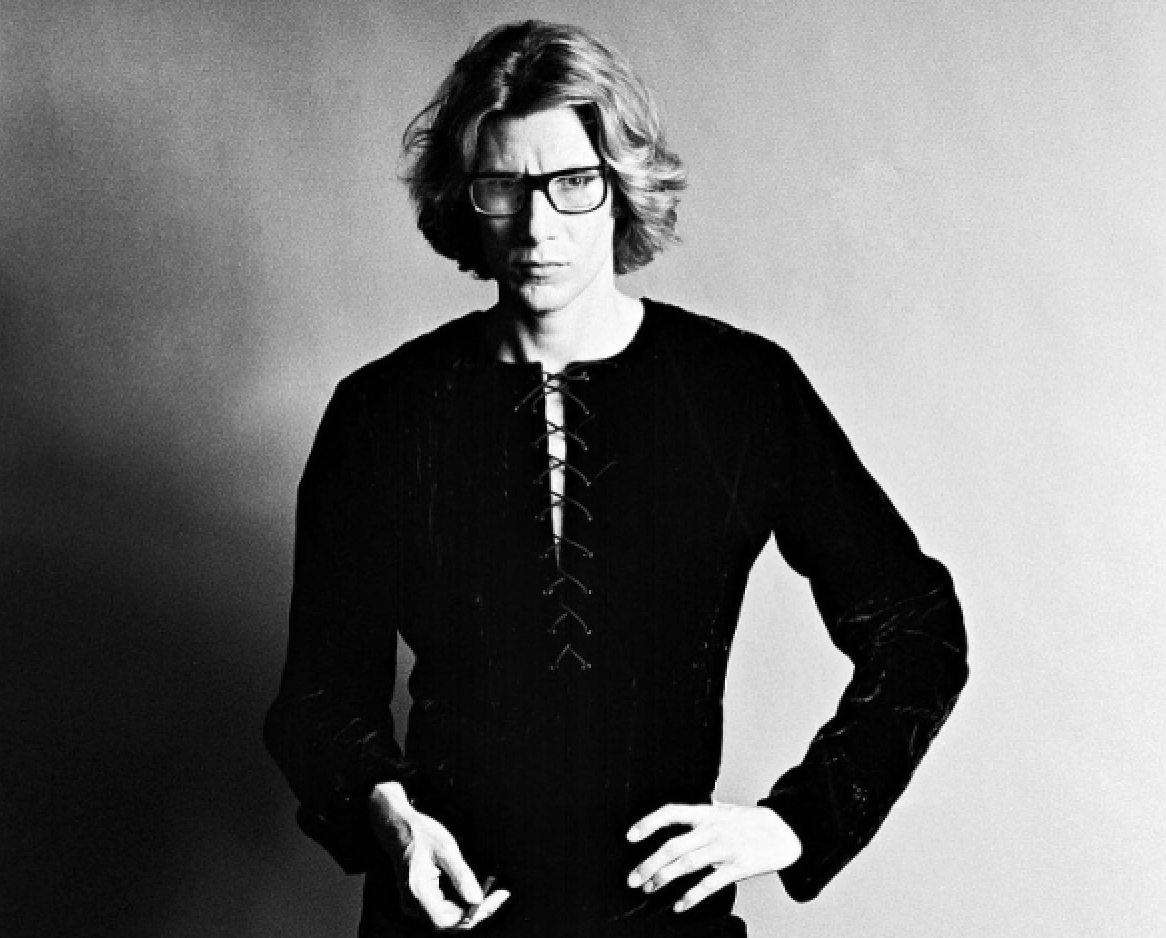

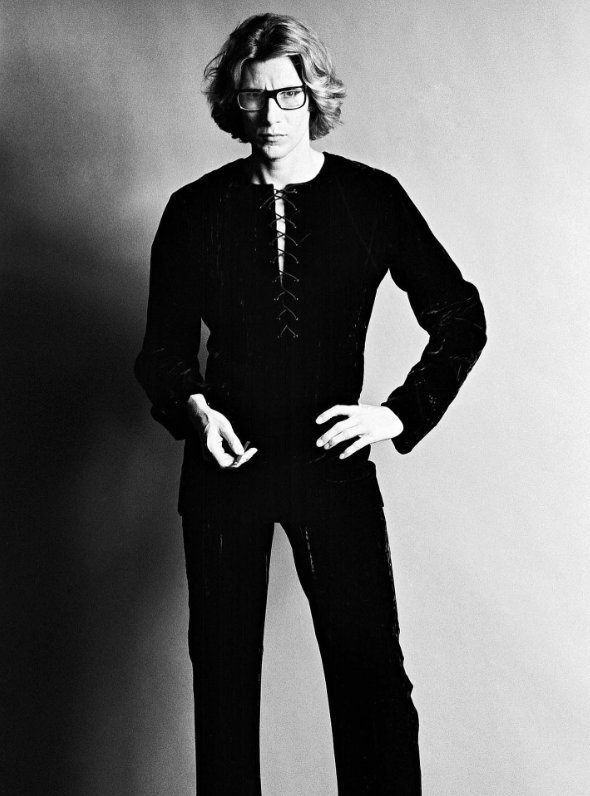
In a 1969 portrait by Helmut Newton, Yves Saint Laurent stands at the center of the frame, one hand resting at his hip and the other extended, a pen laid across his palm. He is young, slender, and severe, wearing a lace-up shirt that echoes his now-iconic saharienne, safari-style silhouette. The designer’s presence runs through Yves Saint Laurent and Photography, on view at New York’s International Center of Photography from June 11 through September 28. Nearly 300 photographs and archival objects span roughly four decades of magazine editorials, advertisements, runway images, celebrity portraits, and photographs of Yves himself. Together, they show how photography became inseparable from both Yves’ public image and the identity of his house; a narration of photography’s major role in Yves’ transformation from a young couturier into a fashion icon.
Yves established his own namesake house in 1961—Yves Saint Laurent. In 1966, he introduced Le Smoking, a tuxedo for women, and Saint Laurent Rive Gauche, his ready-to-wear line. By 1983, the Metropolitan Museum of Art had mounted a retrospective of his work, the Costume Institute’s first solo exhibition devoted to a living designer. Photography followed that ascent closely. He retired in 2002, closing the haute couture division.
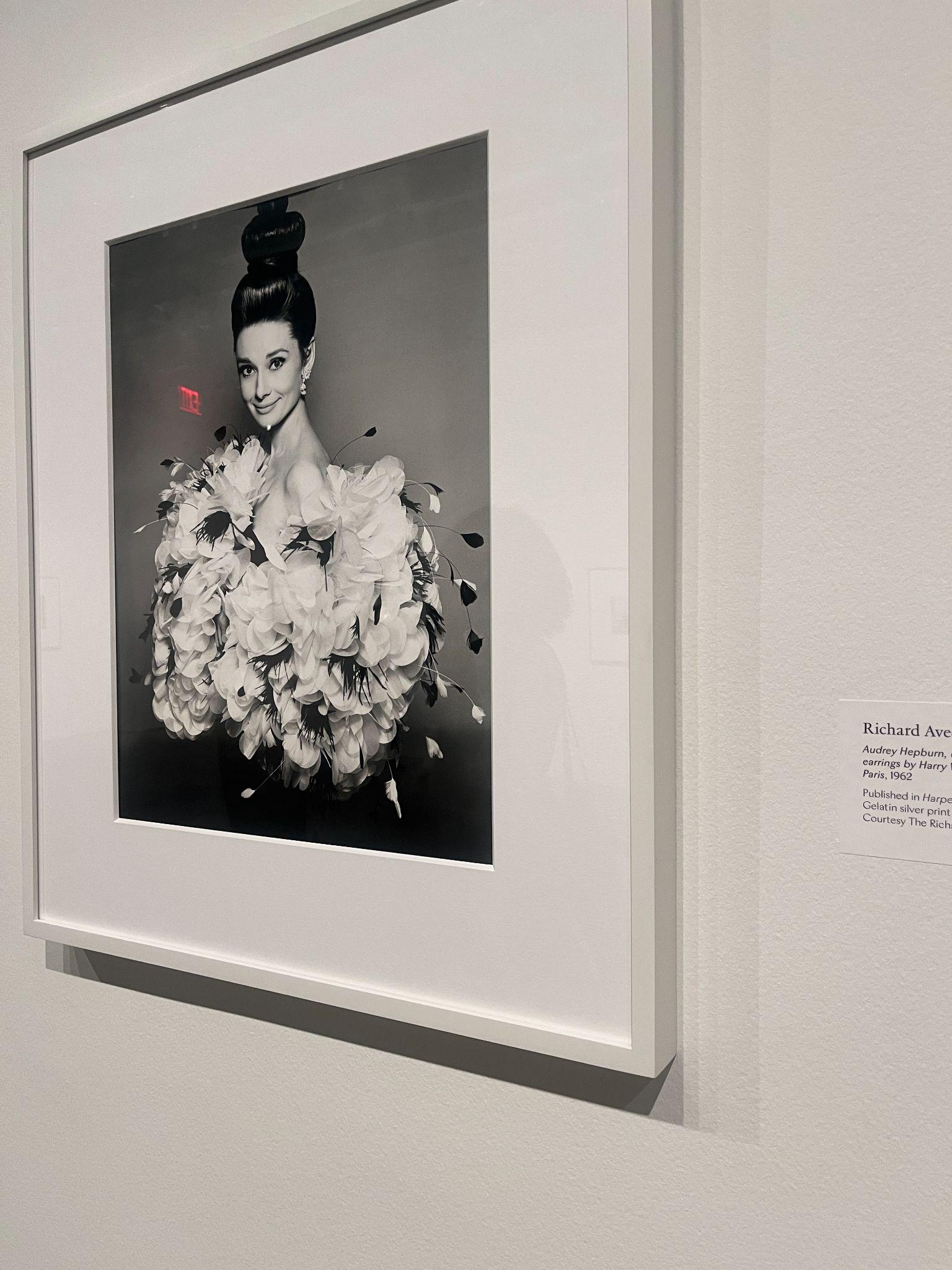
In 1959, Richard Avedon photographed Audrey Hepburn wearing Dior designed by Yves while he was their artistic director in his cinematic Harper’s Bazaar September Issue “Paris Pursuit.” A couple years later, in 1962, only months after Yves debuted his first collection, Avedon photographed Hepburn again for Harper’s Bazaar, now wearing an Yves Saint Laurent evening dress. The Yves Saint Laurent brand quickly entered an image-making relationship that carried cultural weight. William Klein photographed that first 1962 couture collection too, including a sharply tailored skirt suit reduced to a glowing silhouette against a dark background. By the following year, Klein was photographing Yves Saint Laurent wares for Vogue, including Jean Shrimpton in one of his evening gowns for an April 1963 cover. Not simply records of clothes leaving the atelier, these photographs put the new house into circulation.
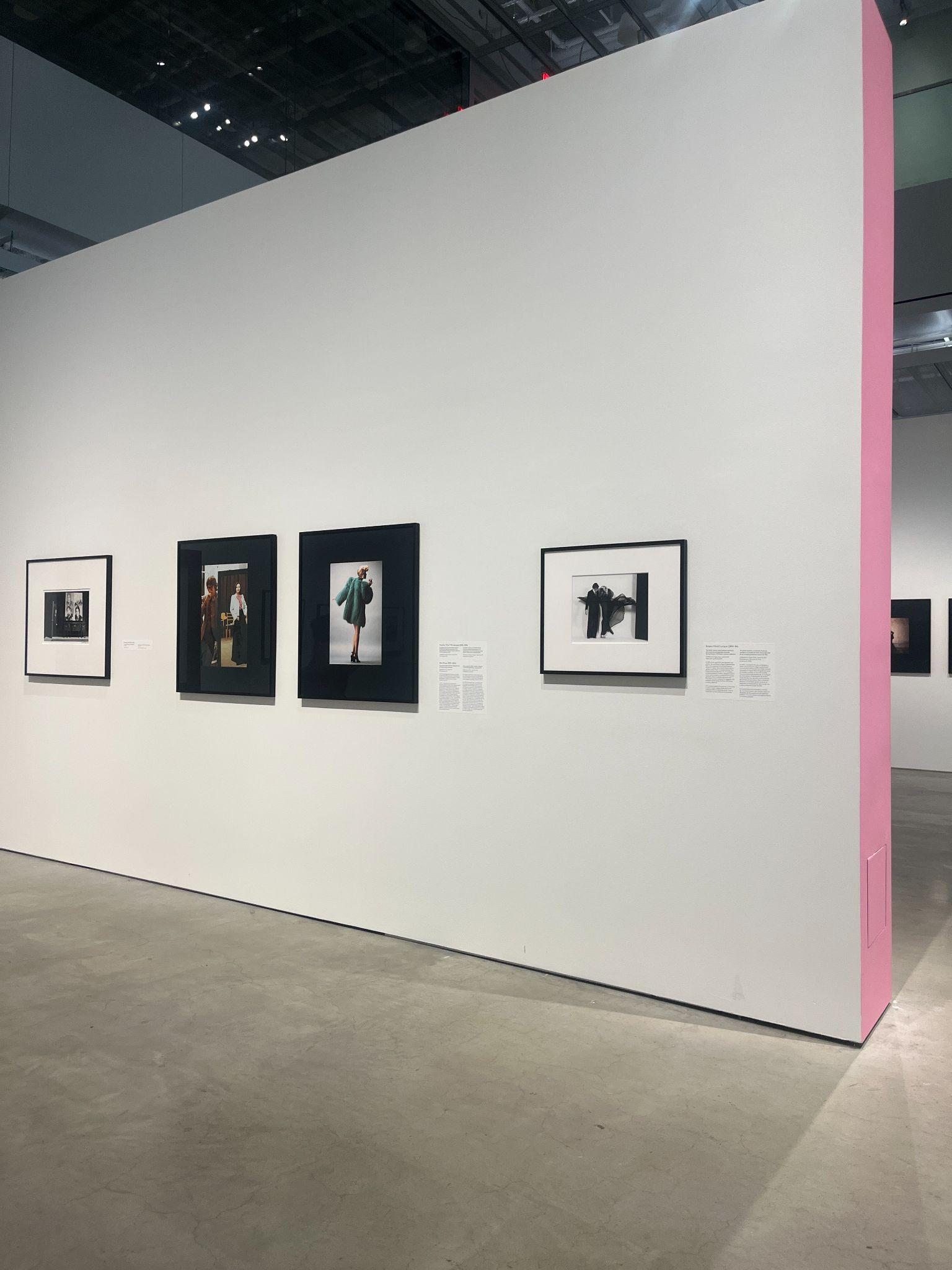
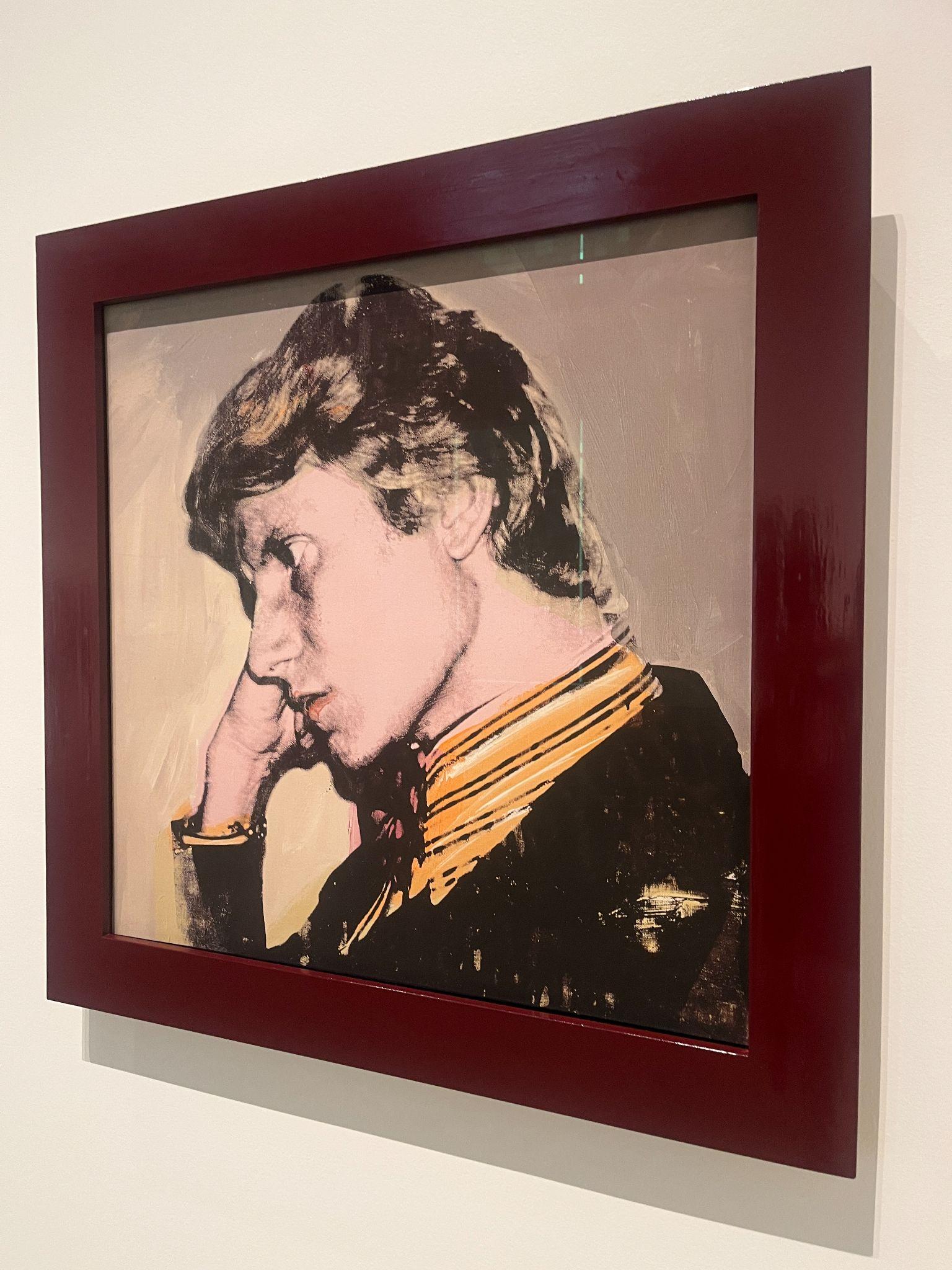
Newton, Bailey, Sieff and later Juergen Teller gave the designer a presence independent of any single collection. Andy Warhol turned him into a portrait subject. This is where the exhibition comes closest to being a study of how an icon is made. More often, though, it acts like a visual archive of a reputation. The brand benefited from a founder with a recognizable face and persona, while the visibility enlarged the Yves Saint Laurent name.
When Hedi Slimane took over creative direction in 2012, the ready-to-wear and accessories lines were renamed “Saint Laurent,” recalling the house’s Saint Laurent Rive Gauche identity of 1966. ‘Yves’ disappeared from much of the contemporary branding, but not from the cultural memory attached to the name. Yves Saint Laurent and Photography, organized in collaboration with the Musée Yves Saint Laurent Paris and the Fondation Pierre Bergé–Yves Saint Laurent, is both a survey of great fashion photographs but also a look at what happens when a brand enters an institution.
Clothing once entered through the familiar categories of costume, decorative art, design, or material culture. However, fashion’s presence in museums no longer ends with the objects on view. Brands now also fund the people and programs that decide how culture gets researched and remembered as patrons and institutional partners. The brand Saint Laurent, now owned by Kering, provided lead support for this exhibition; Chanel’s Culture Fund has gone further, underwriting curatorial roles at institutions including Fondation Beyeler, where it supports a botanical curator. Patronage is hardly new, and those quick to call these contemporary partnerships advertising flatten the relationship; rather, they can support a shift in institutional conventions, at times allowing for new programming that can deepen audience experience, or draw new audiences.
During New York Fashion Week, ICP invited vintage dealers into the lobby, where Yves Saint Laurent emerged from photograph to object. At the shopping event, Marie Laffort, founder of Ancien and a stylist, had focused mainly on 1970s pieces filtering Yves Saint Laurent through a contemporary lens sourcing only natural fibers and pieces that are wearable today. Andie Shelton of Raleigh Vintage works almost in reverse: she often starts with old runway photographs, then searches for the garments themselves, frequently sourcing from private closets in Paris and keeping original sets together when she can. Shelton’s process condensed much of what was happening upstairs. A runway photograph begins as documentation of something new. Years later, it can become a tool for identifying the object, dating it, authenticating it, and deciding that it is worth tracking down. This was an inventive way to bring the exhibition to life and fashion into the institution, without separating it from its initial function—to be touched and worn.
In Yves Saint Laurent and Photography the images preserve mythology, no longer asking you to want the next collection they explain why Yves, the man, and his house, in all its iterations, still holds his place in fashion history.
Yves Saint Laurent and Photography was on view at International Center of Photography from June 11 through September 28, 2026.
What's Your Reaction?