

A Light Lunch: In a Challenging Market, Gallerist Iana Safina Expects a Strong Fall Season

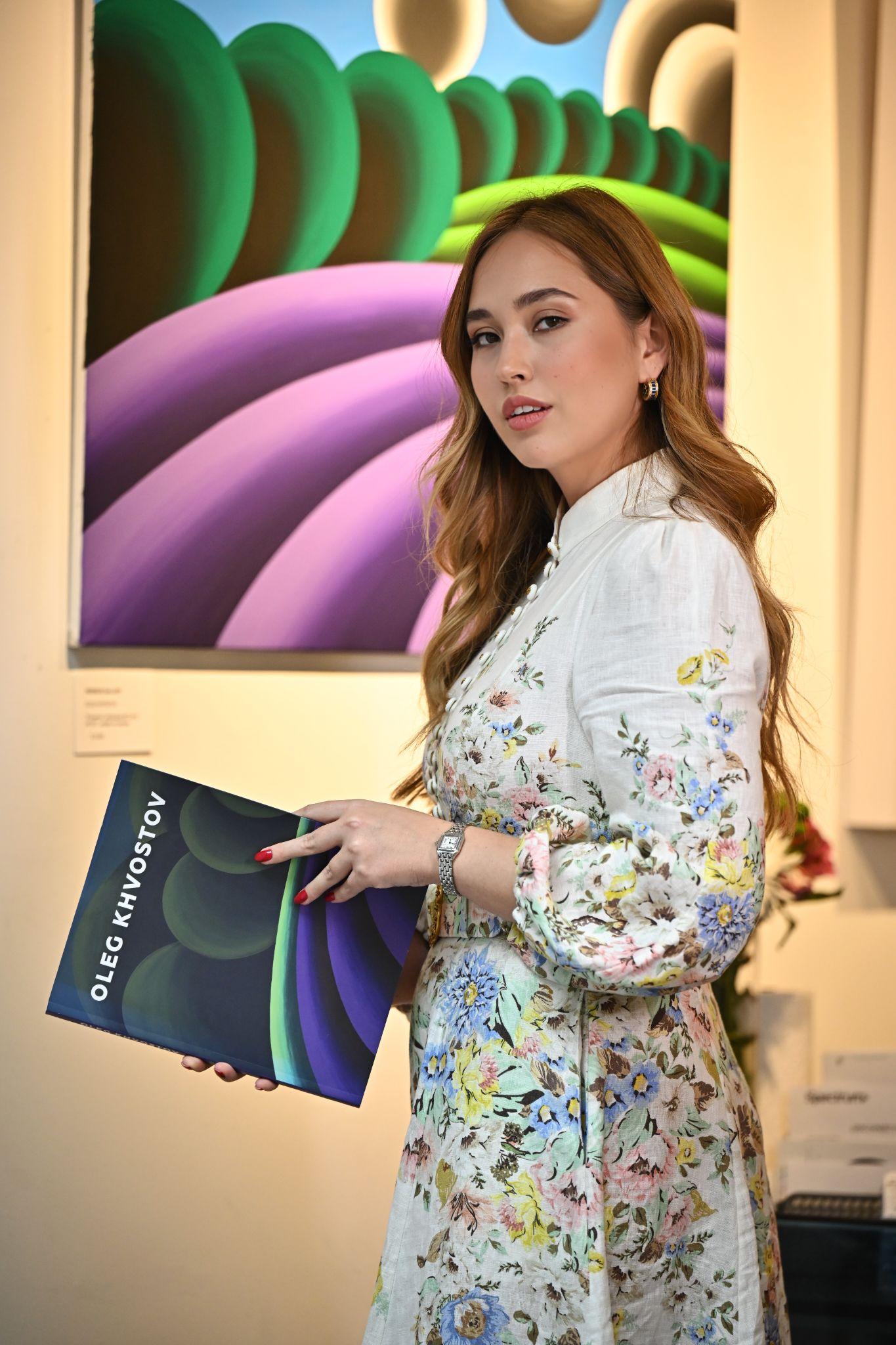

“For many international artists, working with Perseus Gallery is not just about participating in a single show—it is about entering the U.S. art market in a structured, professional way, building long-term credibility, and reaching the next level of their careers,” Iana Safina explains as she puts down her fork. We are at Lafayette, a French restaurant in NoHo, and she chose a table by the window. Her sunglasses perch on her head, and she flips her long blond hair. The dining room seems to reflect who she is with its crisp tablecloth, worldly charm, and beautiful light. She is personable and often bursts into laughter. A good mix of serious, friendly, and a little cheeky. We have known each other for years, and I always enjoy our meetings, an air kiss at an art fair, a late-night drink at Faena, or a longer lunch, like this one, where we gossip, and I quiz her on the latest movements in the art market—she has great insight on them all.
Safina knows her facts and means business. She has built one of the U.S’s largest vanity galleries; Safina and her team of twelve map out growth and plan exhibitions so artists can focus on making work, instead of pursuing galleries, which takes both time and energy. At Perseus Gallery, artists pay for services—curatorial, logistics, marketing, and sales—everything that a traditional gallery would offer, but with upfront payment. “I believe openness is far healthier than pretending the system works differently,” she explains when I ask her about the term. She doesn’t use it but she doesn’t shy away from it either. Like a traditional gallery, Safina thinks strategically about all the artists she works with: “Ultimately, our role is not simply to place artists in exhibitions, but to help them grow—building credibility, confidence, and long-term professional momentum,” she continues. I am impressed and have seen her clients rise thanks to her exceptional curatorial acumen and overall dedicated work with them.
For many of her European clients, preparing them for their first participation in Context Art Fair during Miami Art Week or Expo New York, usually their first U.S. art fair, will mark a major milestone in their careers and requires working together for nine to twelve months. “This process includes portfolio development, curatorial editing, production planning, pricing strategy, and logistical preparation. For many artists, these presentations become a turning point in how their work is perceived professionally,” she says.
Although she spent her childhood in Russia, Safina has always been surrounded by people from various places and cultures—she studied at a British school in Russia and later lived in Bangkok, where she went to college and university. “It’s one of the reasons I feel very comfortable working in the United States—a country built by immigrants, for immigrants. I truly feel that I found my place here,” she explains. With her international fluency and social capability, her background is perfect for the art world. But, as she points out, she didn’t simply “find” her role; she created it. “I see art and business as inseparable. Behind every successful artwork or exhibition, there are processes, systems, strategy, and people working together. That balance between creativity and structure is what truly fascinates me,” she explains. Making her not just a great gallerist but one that, as she has proven with Perseus Gallery, has ambitiously and in support of artists created structural change in the art world.
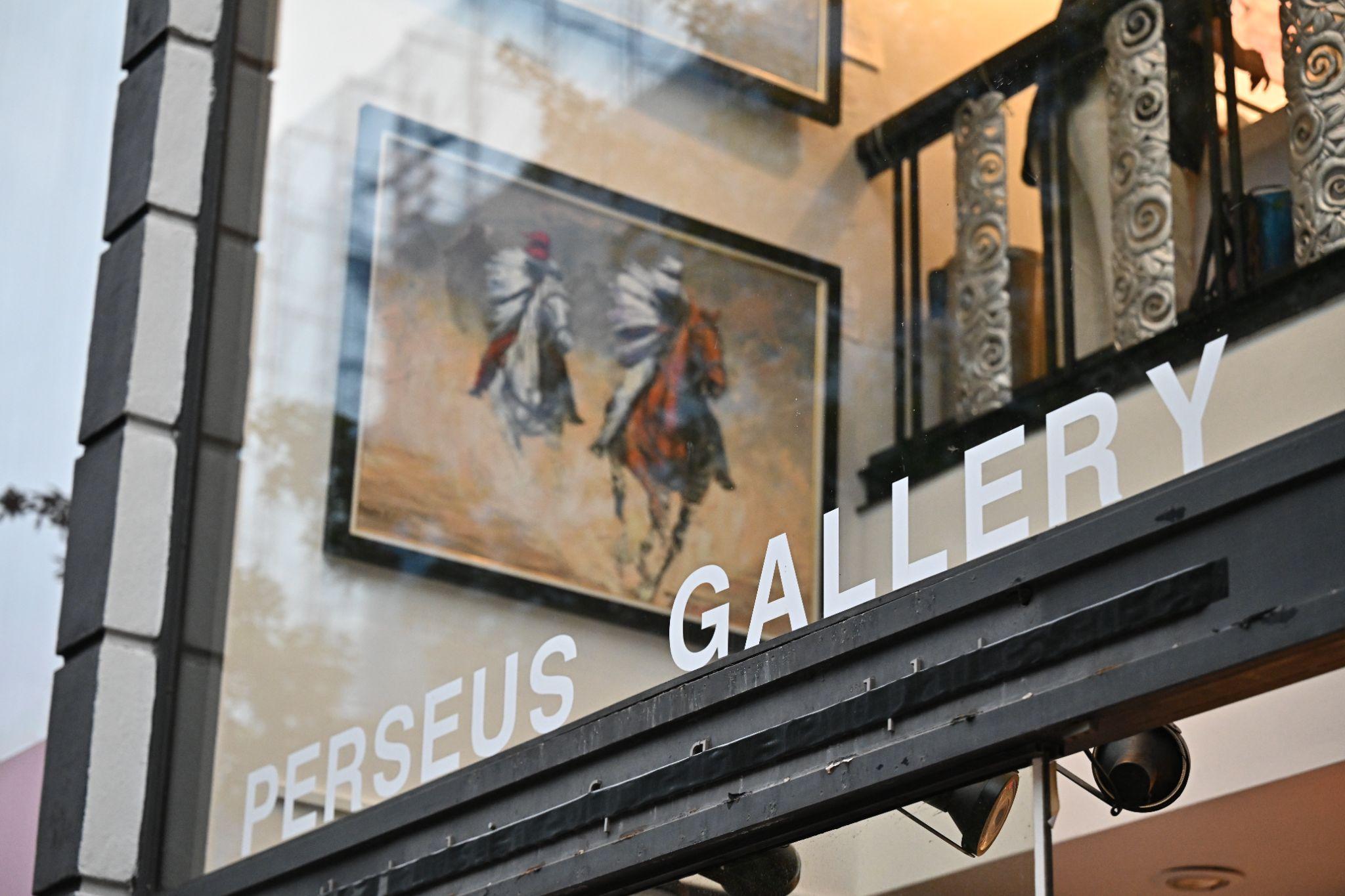
Perseus Gallery started by primarily bringing artists to U.S.-based art fairs—LA Art Fair, Seattle Art Fair, Hamptons Fine Art Fair, Art Expo New York, Art on Paper New York, Red Dot Miami, CONTEXT Art Miami, and the San Francisco Art Fair, among others—in 20XX, she decided to open a brick and mortar gallery on West Broadway. A storied location having been the center of the art world in the 1970’s, with Leo Castelli Gallery, Sonnabend Gallery, and Andre Emmerich Gallery along the street. Today, that charm remains, and it is home to a smaller gallery cluster. Opening the gallery has been, in her words, “a real test.” More demanding than art fairs as the gallery required daily attention, she explains, but also an opportunity, “the gallery allows for deeper storytelling, stronger artist development, and more meaningful relationships with collectors,” she continues. Which, in turn, offers artists more flexibility in expanding their U.S. footprint.
Safina checks her phone. Our lunch is coming to an end. I take the opportunity to praise her Instagram accounts @ianasafinacat and @perseusgallery1. Glamorous photos of her taken at galas (full disclosure, she used to model in her teens), group photos with artists from openings and art fairs, and tutorial videos where she shares art market insights, or what to expect when working with her gallery, populate her feed. It’s good. During an art market downturn and as media outlets publish on shuttering galleries and the fragility of the traditional gallery model, Safina offers a more positive view. The model she has created continues to build growth for herself and her artists. She estimates that she will work with some 300 artists in 2025 alone, across eight major art fairs, and feels confident about the upcoming fall season and year ahead. Smiling amidst “doom and gloom” predictions, she’s obviously doing something right.
Visit Perseus Gallery on 456 W Broadway, New York, NY 10012.
You Might Also Like
Interview: Carrie Eldridge, a Blockchain and Art Entrepreneur With Values
How Young Collectors like Richart Ruddie Keep the Artworld Going
What's Your Reaction?
