Inside New York’s Rogue Project Spaces

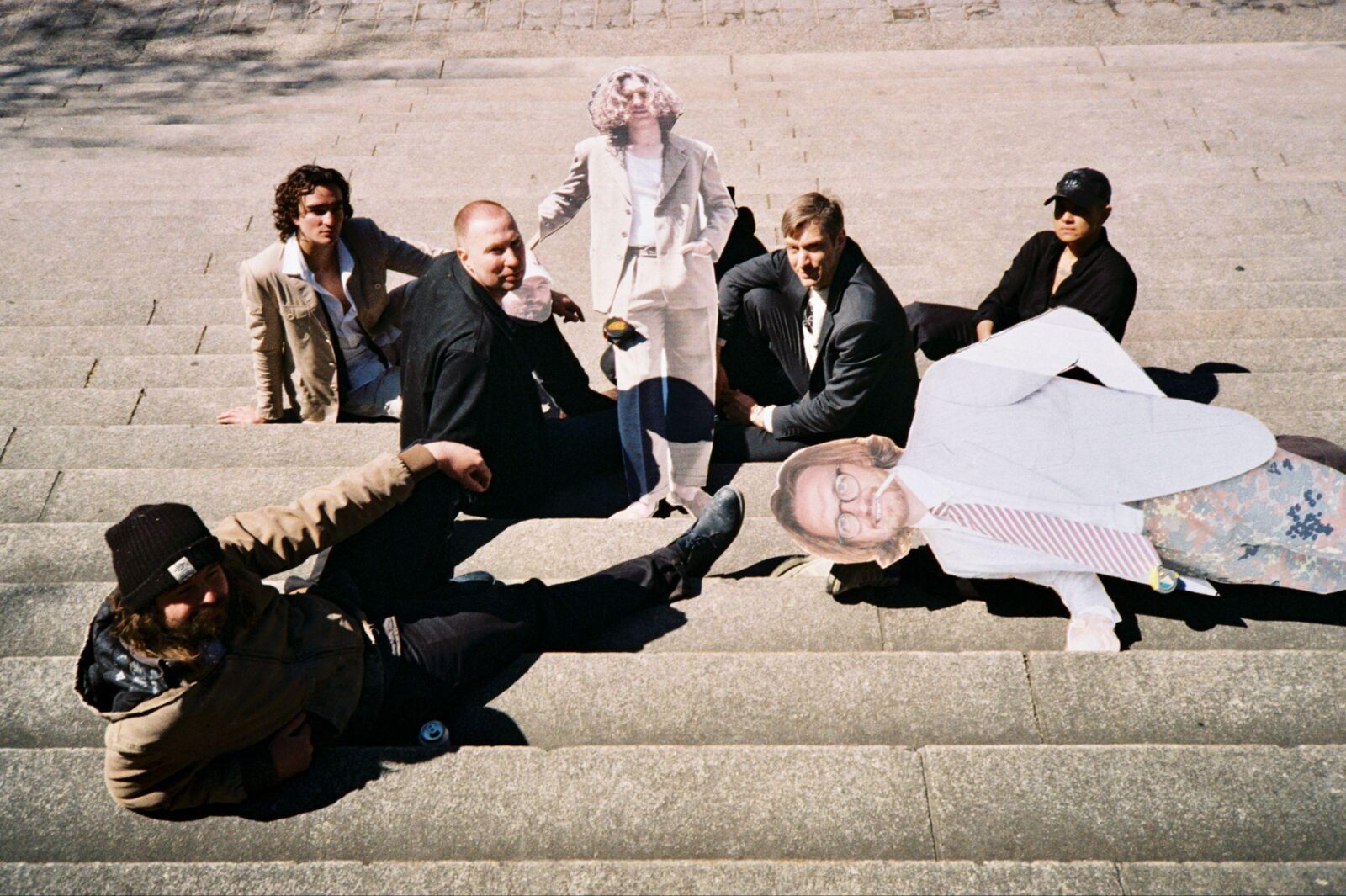

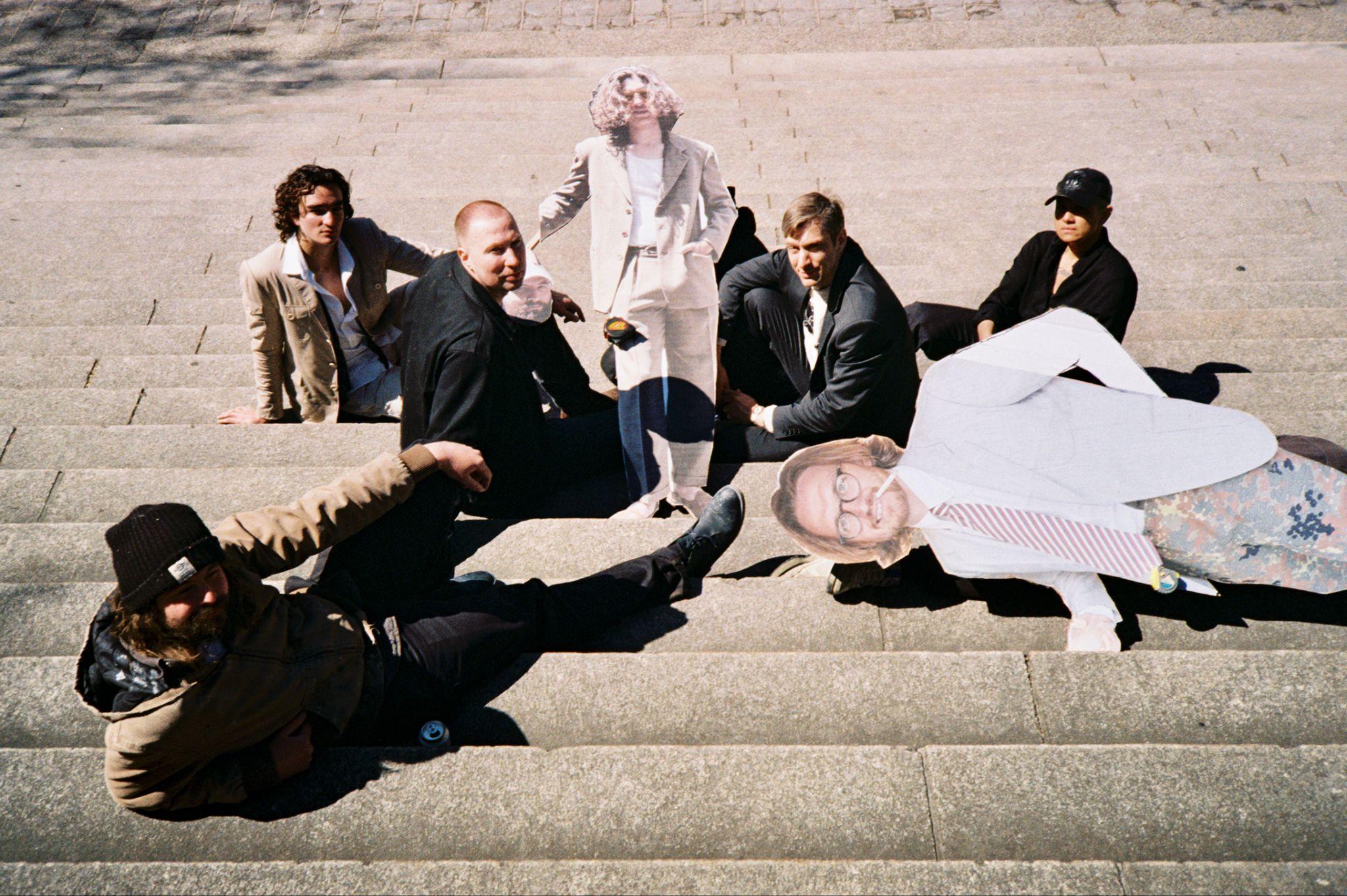
Digital Cover Story—New York City desperately needs a Kunsthalle, an institutional space less burdened by bureaucracy and artist-forward, and we simply don’t have one. Fight me on this! What we do have are scrappy, inventive artist-run spaces that come close. For a handful of project spaces working within—and sometimes against—the limitations of the city’s hyper-commodified art world and increasingly pressurized real-estate landscape, quintessential parts of New Yorkers’ everyday lives double as frontline art venues. Spaces like U-Haul Gallery, Desnivel, Spielzeug, Catbox Contemporary, and 95 Gallon Gallery program exhibitions in trash bins, moving trucks, bodegas, laundromats, buses, and cat towers. To counter the meticulous planning and prescriptions that characterize institutional exhibitions, these programs allow artists to roam a little freer.
In speaking with the founders of these project spaces, several overlapping themes emerged: generosity, frustration, experimentation, and a shared skepticism toward the increasingly narrow models of exhibition-making dominating the art market. If anything became clearer through these conversations, it’s something I already knew: art in this city isn’t dead. Yes, there is still plenty of market-driven slop and shlock, but there is also a vibrant ecosystem of generosity, hope, earnestness, and good-hearted irreverence. What distinguishes these smaller spaces is that artists and audiences remain at the center. The approach to exhibition making is more intimate, more experimental, and far less mediated by institutional caution.
When I worked at a large civic institution based in Hudson Yards, I once suggested that resources might be better distributed to smaller arts organizations rather than hoarded for mega-exhibitions. The suggestion was immediately dismissed. Yet the truth is that there is enormous energy circulating in the city right now—arguably more artist-run initiatives than ever before—and they deserve attention and support.
These are New York’s rogue project spaces and their stories.
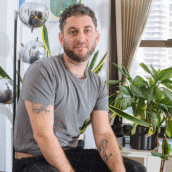
Desnivel
For Maria De Victoria, founder of Desnivel, the project began with a deceptively simple question: What can I do with nothing that still gives a lot?
A performance artist by training, De Victoria describes herself as a conductor and producer as much as an artist. Desnivel—Spanish for “uneven”—began in the basement of her rent-stabilized apartment and has since evolved into a roaming exhibition platform occupying everyday neighborhood spaces: bodegas, laundromats, hardware stores, psychic shops, and nail salons. The project emerged from her desire to make art accessible to audiences who might never set foot in a gallery. De Victoria herself didn’t enter the art world until 2006, and she remains deeply motivated by creating pathways for others to encounter it. By placing exhibitions within neighborhood businesses, Desnivel taps into existing rhythms of daily life. A laundromat visitor might encounter a painting; someone waiting for a manicure might stumble into an installation.
In a landscape where gallery exhibitions often struggle to entice repeat visitors—even when the art is good—this strategy cleverly sidesteps the problem entirely. Art meets audiences where they already are. Financially, the model is almost radically generous. Host businesses receive stipends, writers are paired with artists, and approximately 90% of proceeds return directly to the artist. For De Victoria, the reality is harsh. Running an exhibition program is difficult and costly, but the reward is simple: seeing someone who might never have engaged with art suddenly become curious about it.
U-Haul Gallery
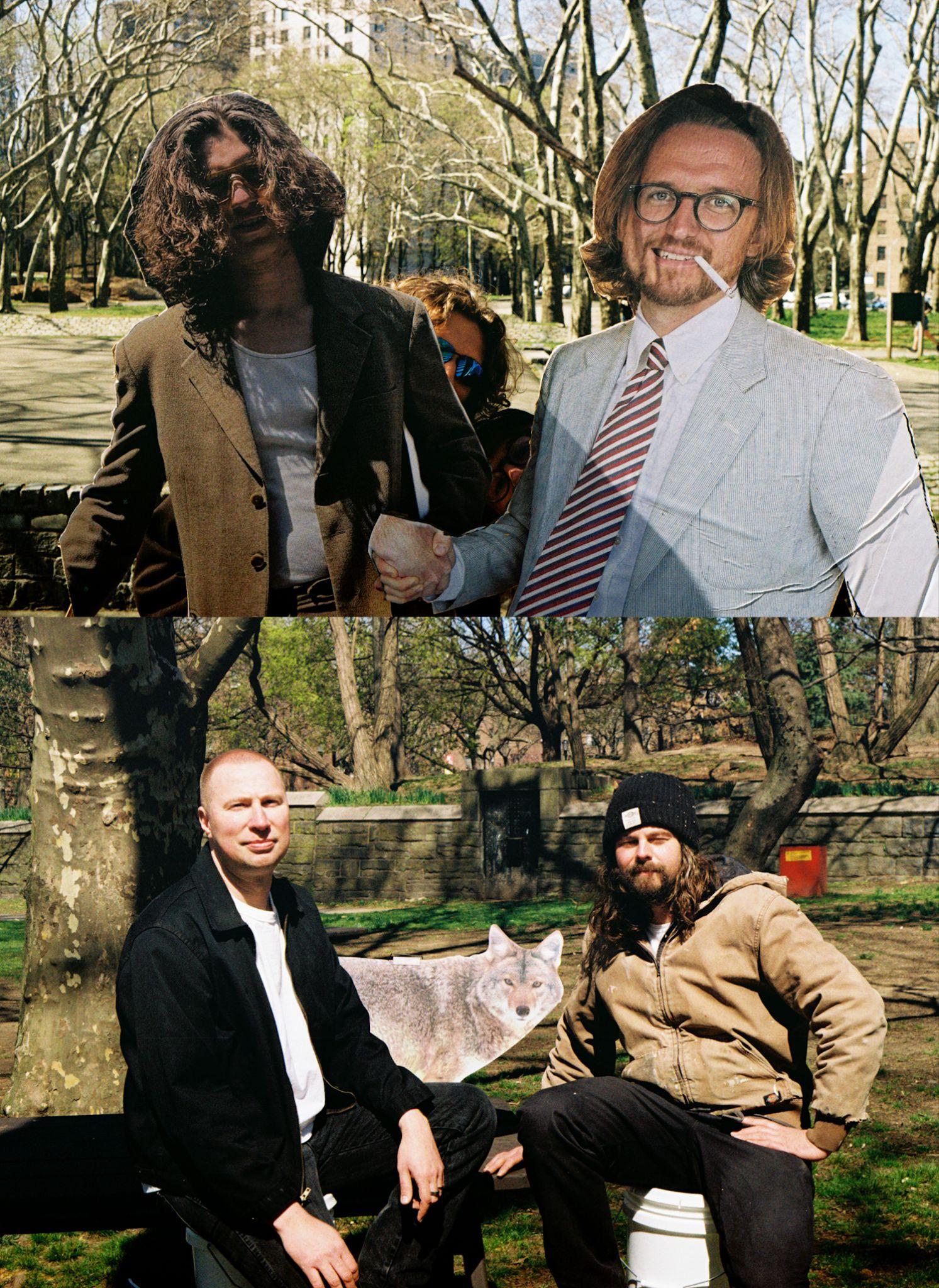
Founded in May 2024 by James Sundquist, with Jack Chase joining later that year, U-Haul Gallery began as a response to a familiar New York problem: artists being squeezed out of studio space. The idea first came to Sundquist when he was moving out of his studio, while Chase had independently been experimenting with hosting exhibitions inside a truck. Their ideas converged during an exhibition titled Stolen Goods, which literally featured objects people had stolen from their workplaces.
The gallery now operates with an intentionally absurd yet efficient premise: “Art can be deployed anywhere on the globe in twenty-four hours.” Unlike the stealthy secrecy typical of some experimental projects, U-Haul embraces high visibility and now runs a fair where other galleries are invited to present their work amongst a fleet of exhibitions staged in the back of trucks.
The project functions both as a critique and an expansion of exhibition formats. Art fairs—often seen as the apex of the commercialization of American art—become both foil and opportunity. By operating outside the fixed architecture of a traditional gallery yet proximal in physical space and timing, the project agitates the relationship between art and real estate.
Because operating costs are low (renting a U-Haul is cheaper than renting a gallery space), U-Haul can show work that might be considered commercially risky. Many of their most compelling exhibitions develop collaboratively, with artists responding directly to the constraints and absurdities of the mobile venue.
For Sundquist and Chase, the gallery is inseparable from their own artistic practices. Sundquist describes the project as freeing him from the identity of “capital-P Painter,” while Chase admits the gallery has subsumed his previous creative pursuits entirely. More broadly, they see the project as part of a larger resistance to the narrowing imagination of the art market. The gallery itself becomes a medium, a gesture, and a vehicle for collective expression. Their prescription is simple: more risk, more subjectivity, more experimentation. As they put it: more smells, less climate control.
95 Gallon Gallery
Dan Gausman and Bradley Milligan founded 95 Gallon Gallery after years of studio visits and conversations about how dramatically the artist-run ecosystem had shifted over the past decade. Inspired partly by U-Haul Gallery—who famously “roll up” on larger venues and fairs—they wondered what would happen if a gallery could roll up on the people who roll up. Their solution: exhibitions staged inside a large rolling trash bin. The project quickly evolved into both a performative gesture and a community-building exercise. Their goal, as they describe it, is simply “making more of the night” with their exhibition tagging along to other openings.
Though 95 Gallon champions a certain type of unruliness, a few rules apply: no miniature artworks created specifically for the space, and the bin itself cannot be treated like a literal trash can. Instead, artists must present existing work within the structure’s unusual scale. The bin itself is surprisingly refined—outfitted with white walls and lighting. Given both founders’ backgrounds in fabrication and construction, the project becomes a natural extension of their relationship to architecture and material problem-solving.
Most importantly, the project has a way of jolting jaded New Yorkers out of their phone-induced trance. After all, how often do you walk down the street and see a glowing trash bin—only to discover that it contains art instead of radioactive rats?
Spielzeug
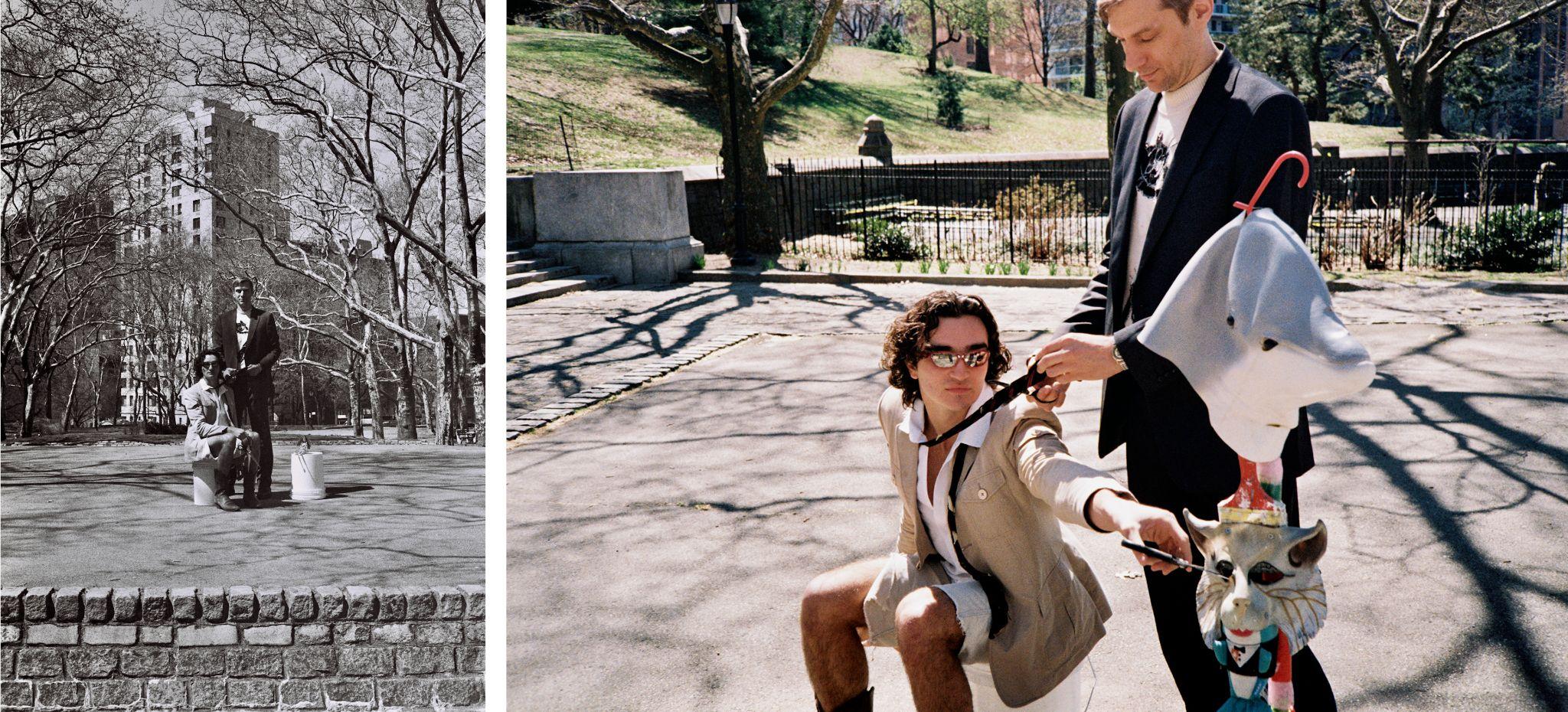
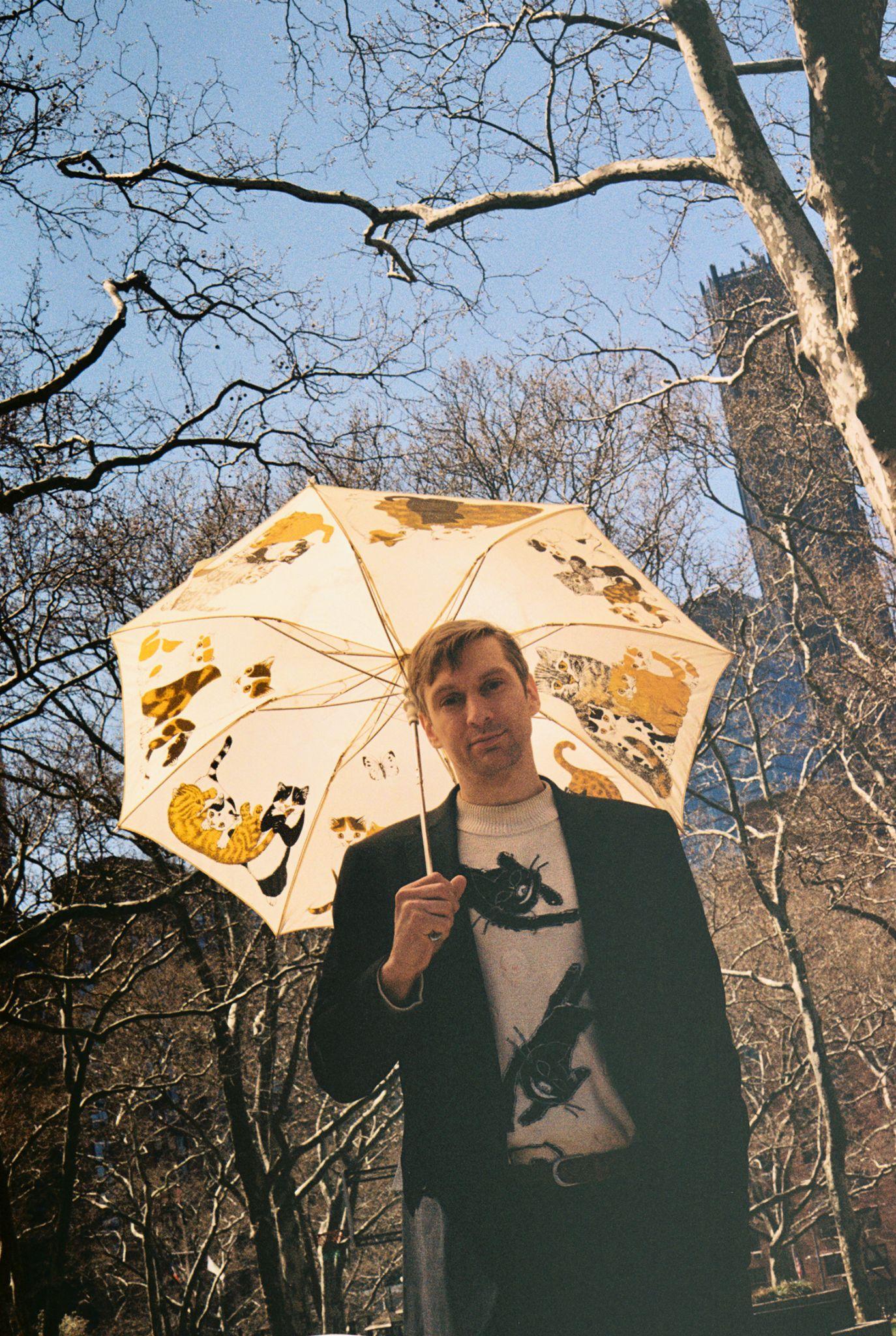
For Evan Karas, founder of Spielzeug, the project began partly out of boredom and partly out of a love for hosting people. Early exhibitions took place in his own apartment. Karas describes the project with refreshing honesty: fueled by hospitality, bold ideas, and by his own admission, a sprinkle and sparkle of delusion. What sustains the project is simple: fun. There is a particular satisfaction in realizing ambitious ideas that might initially seem ridiculous, like living in an atomic bomb shelter with an artist for ten days or organizing an exhibition on a literal party bus.
For Karas, Spielzeug and spaces like it also serve a psychological function within the art world as sites of purging—spaces where things can become messy, sweaty, and unruly, something akin to nightlife. Yet behind the chaos lies serious rigor and ambition. Spielzeug recently facilitated a museum acquisition for one of its artists during an exhibition at Basel Social Club during Art Basel Switzerland, a potent reminder that spaces like Spielzeug often function as feeder systems, nurturing artists as they first enter institutional and commercial circuits.
Catbox Contemporary
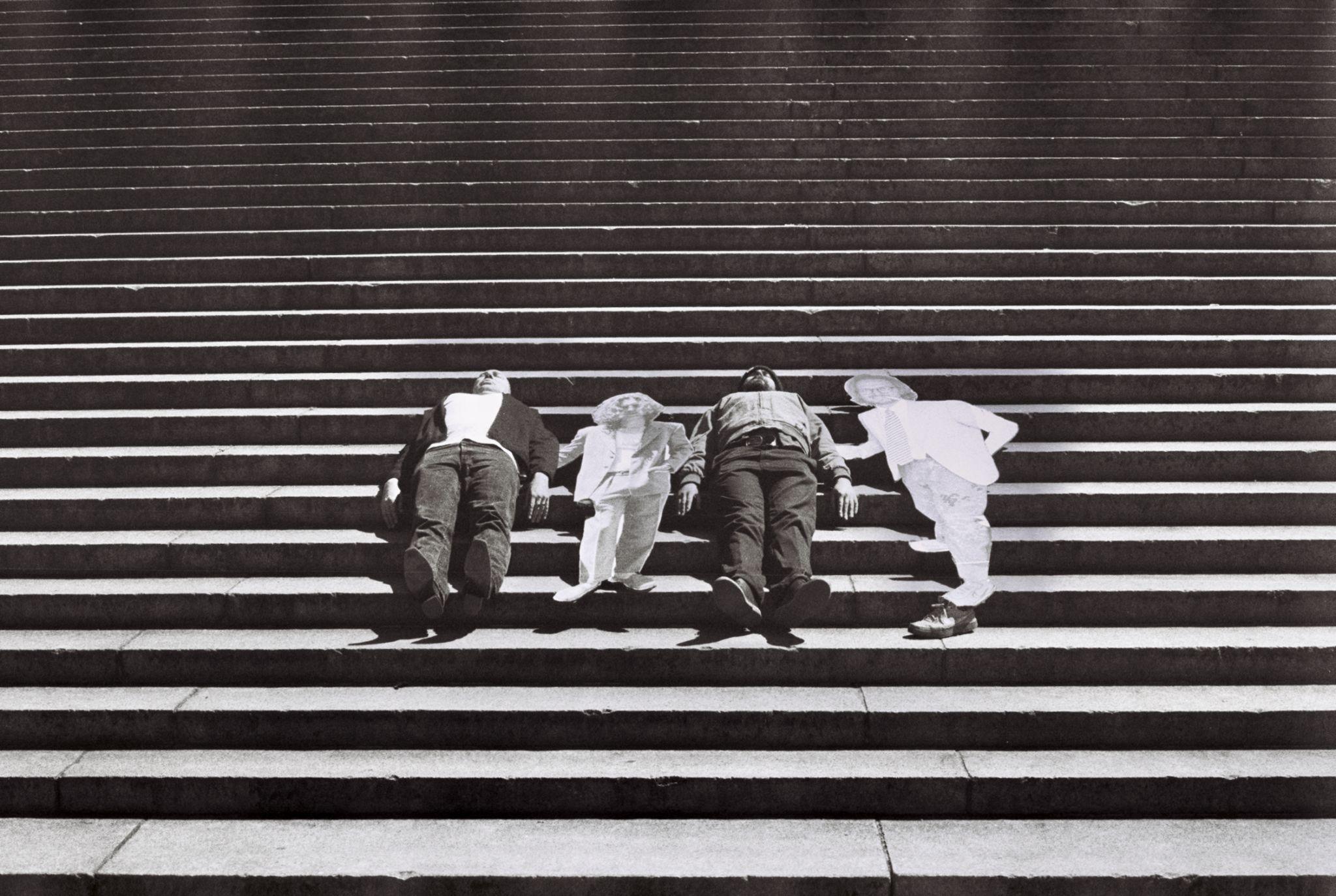
Founded by Philip Hinge in 2017, Catbox Contemporary is exactly what it sounds like: a gallery housed inside a cat tree in a domestic interior. The idea emerged shortly after Hinge moved to New York in 2015 and experienced what he describes as a paradigm shift in understanding how the art world operates. Rather than chasing traditional gallery structures, he became fascinated by artists who held full-time jobs while running strange, self-initiated spaces on the side.
The cat tree proved to be the perfect venue: absurd, intimate, and oddly architectural. The constraint forces artists to think carefully and creatively about installation design, adapting their work to a sculptural domestic object instead of a standard white cube. The space also developed its own mythology, including its original feline resident—Baby Cat—who reportedly never knocked anything over and seemed to instinctively understand the gallery’s importance.
For Hinge, Catbox revealed just how expansive artistic thinking can become when freed from institutional expectations and standards. Humor becomes a powerful tool for freeing oneself, too, and as he puts it: “If it seems too dumb, you should probably do it.”
A Roadmap for Institutions
Interviewing and meeting everyone for this article was a pleasure. Some of these folks I already knew; others were new to me. One question I asked each of them centered on a recurring problem: project spaces like these rarely find themselves in direct conversation with major philanthropic donors or museum leadership. The distance between these worlds is real.
So, I asked each of these provocateurs: If you had the ear of a funder or museum director, what would you say? De Victoria of Desnivel called for cheaper or free museum admission. U-Haul Gallery suggested buying buildings and offering rent-controlled studios and exhibition spaces. The founders of 95 Gallon said to give them a show and urged museums to engage and educate the next generation of collectors. Hinge asked simply for more risk, noting that some of the best exhibitions are the ones thrown together with instinct and conviction. Karas proposed something highly actionable: create acquisition pipelines for galleries younger than five years old, allowing emerging spaces to propose artists directly for museum collections. Brilliant.
Taken together, these suggestions outline a roadmap for how institutions might meaningfully engage with the experimental and precarious edges of the art ecosystem. This also speaks to a critical need for more points of connection between these disparate landscapes across the arts ecosystem.
Perhaps the next logical step is a convening between these project spaces and the museum directors who rarely encounter them. If anyone from the Emily Hall Tremaine Foundation happens to be reading this, keep an eye out—I may just apply for a grant to make it happen.
The Impulse Is Serious
It’s tempting to see these rogue spaces only as quirky footnotes in the larger machinery of the New York art world. But they belong to a much longer lineage. From the storefront happenings of the 1960s to SoHo’s loft exhibitions of the 1970s, to spaces like ABC No Rio and countless apartment galleries, New York has always relied on artists inventing their own stages when the official ones failed them.
People willing to build something out of almost nothing show no sign of disappearing. If anything, their ranks are growing. Offerings, for example, turns a midtown church into a site for rowdy live art, repurposing a space that can feel rigid or alienating into something ecstatic, communal, and at times deliberately unruly. Pirates of the Carbomb Infantry hijacks Instagram, using it to stage and archive weird, fleeting exhibitions that live somewhere between documentation and fiction. Management, though commercial on paper, operates with the spirit of a project space—championing work that’s experimental, hard for some to sell, and even harder to ignore. Other galleries and alternative spaces doing cool things right now are Below Grand, Interrobang, Coffin Farm, Transmitter, Raw Meat Collective, and Accent Sisters, among others.
Hopefully, soon these spaces and more spaces like them will have a bit more funding. Until then, the simplest thing anyone can do is show up, better yet, show up and buy something. If you can’t buy anything, at least put money in the tip jar, or offer to walk the dog (or cat).
Ultimately, what distinguishes the current moment is not scarcity but a blossoming ingenuity to match. In an era of skyrocketing rents and increasingly risk-averse institutions, artists continue to improvise new infrastructures. Some forms may be absurd, but the impulse is serious.
Inside New York’s Rogue Project Spaces is the first Cultbytes x IMPULSE joint digital cover.
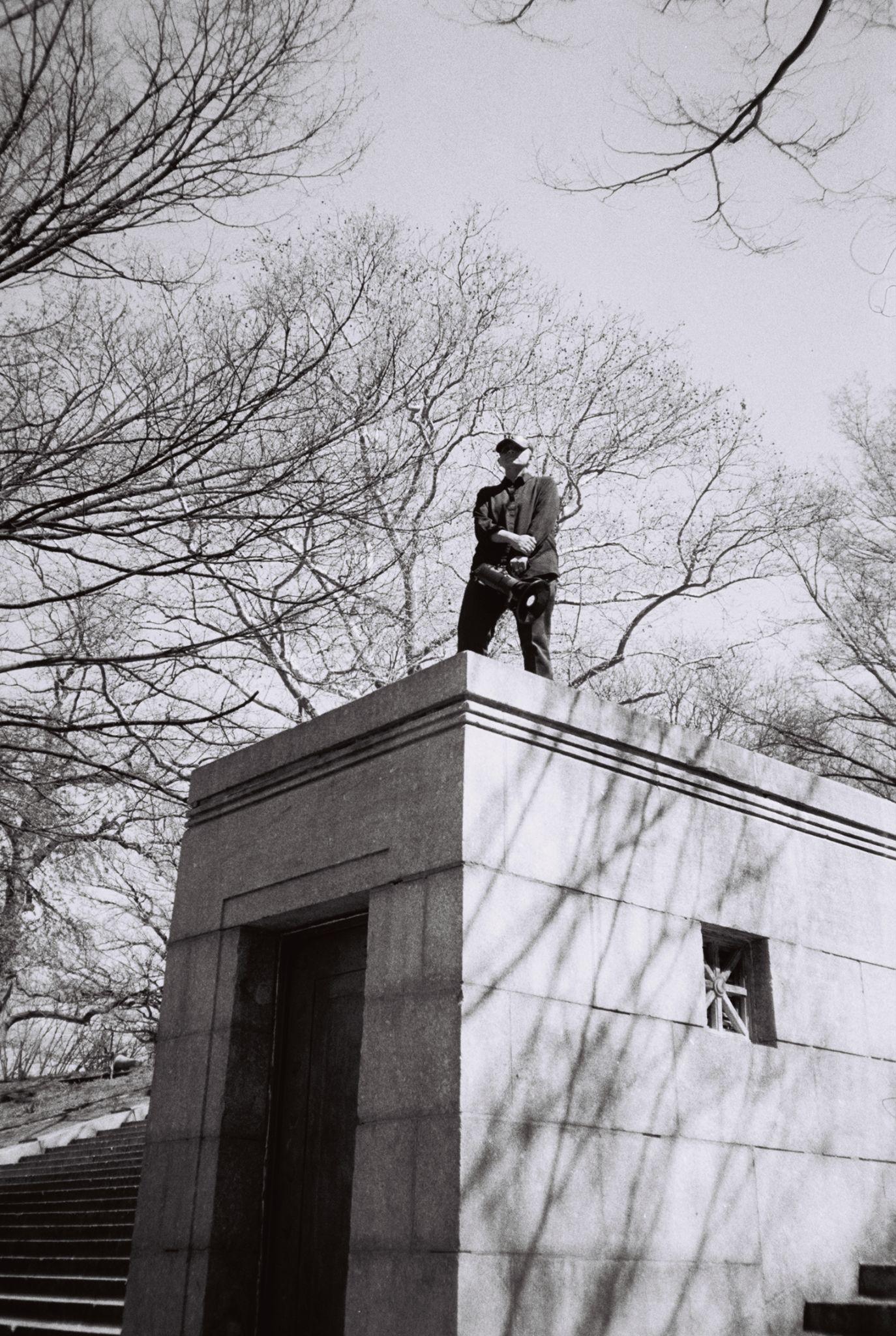
Creative Director and Photographer: Alina Yakirevitch
Producers: Jenny Wang and Anna Mikaela Ekstrand
Styling and Props: Anna Mikaela Ekstrand
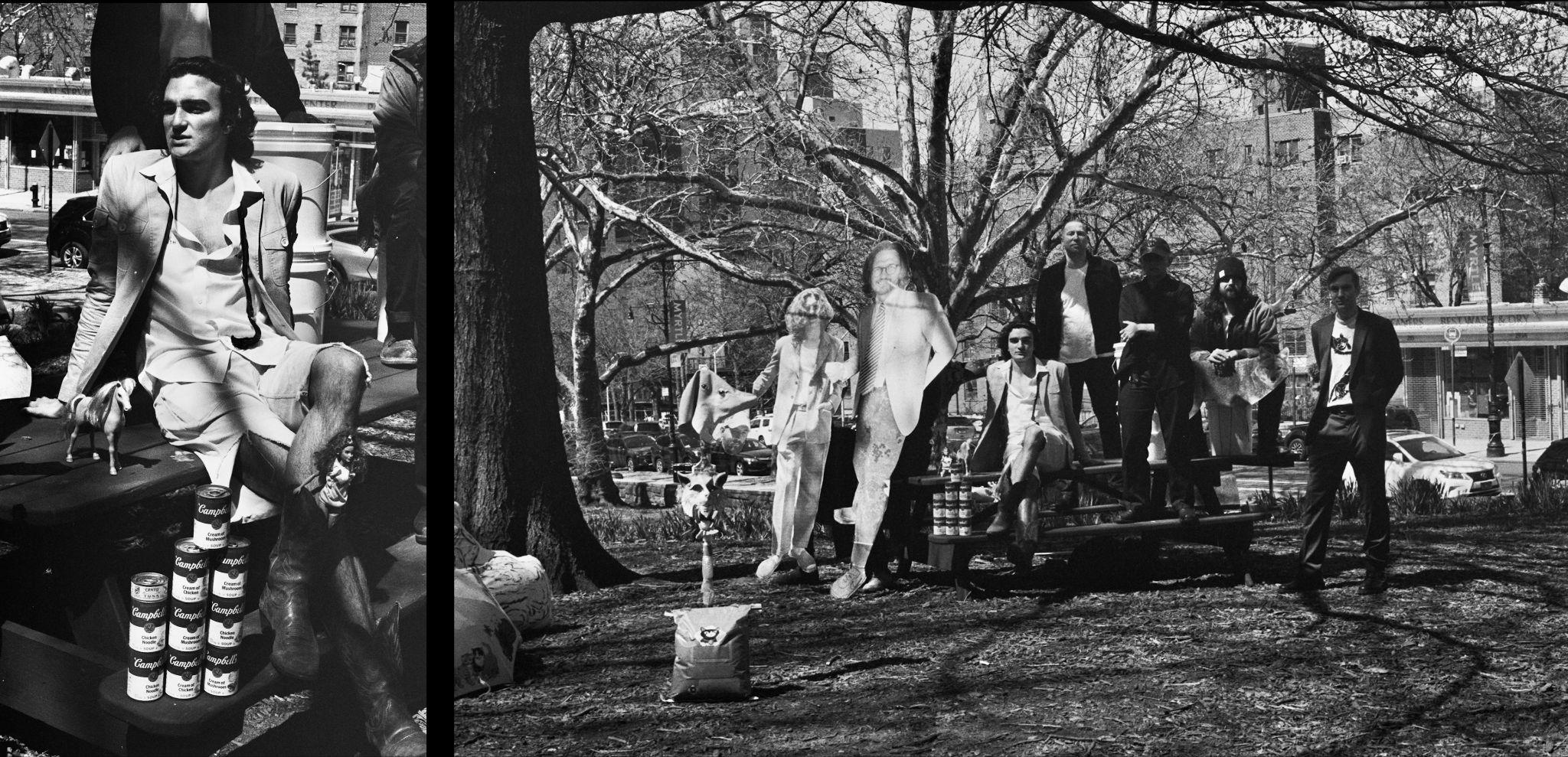
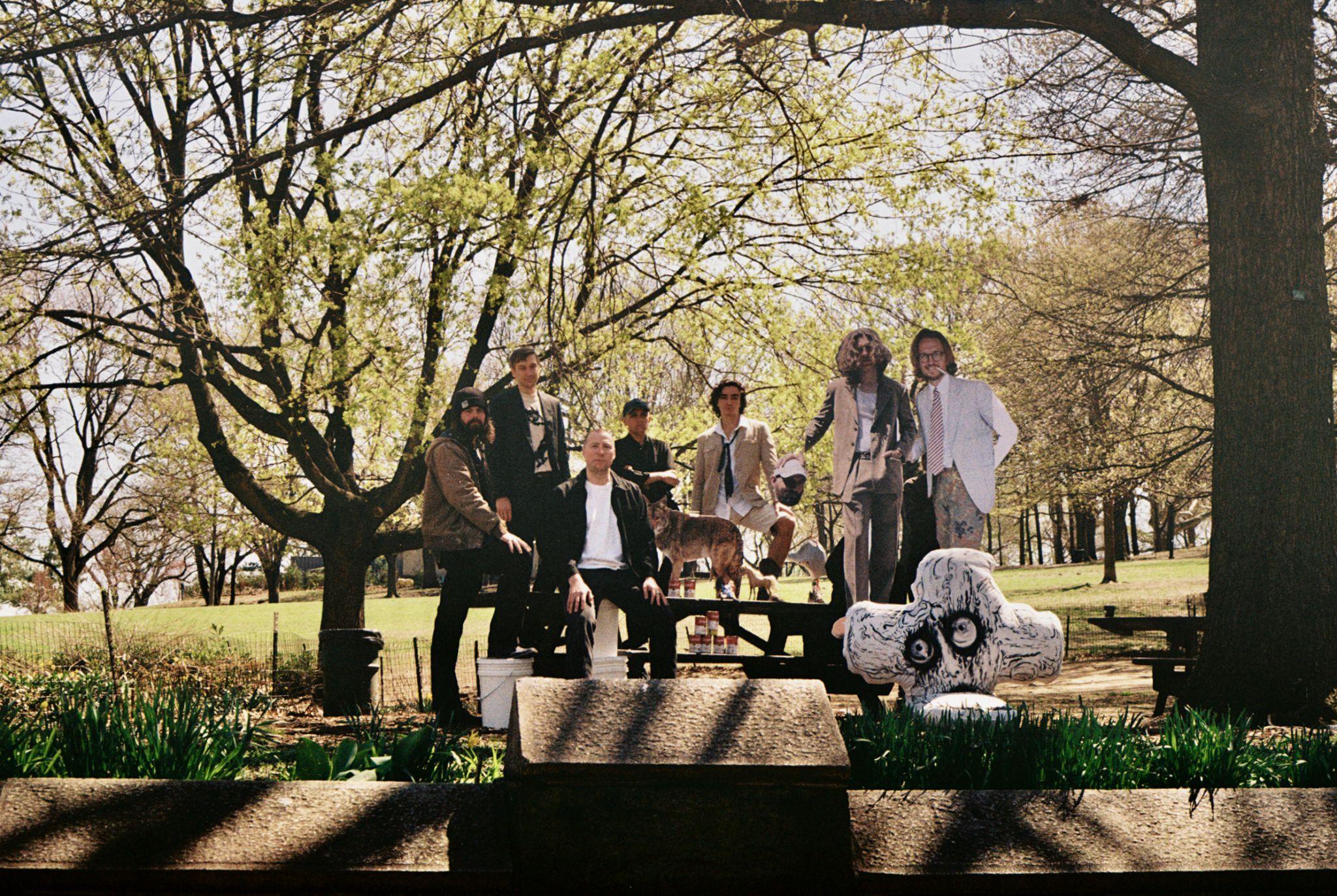
Talent: Maria De Victoria (Desnivel), Dan Gausman and Bradley Milligan (95 Gallon Gallery), James Sundquist and Jack Chase (U-Haul Gallery), Evan Karas (Spielzeug), and Philip Hinge (Catbox Contemporary)
With special thanks to Jubilee Park and Joseph Beuys.
What's Your Reaction?