At BRAC James Horner Filters Queerness Through a Languid Summer Atmosphere and Asks How It Is Felt


Earlier this summer, my friend Kyle Quinn, artist and the founder of publishing house Raw Meat Collective, told me of a group show he would be exhibiting in at the Bronx River Art Center. A queer group exhibition revolving around identity, personhood, and how queerness is not one-size-fits-all, I immediately put it on my calendar to attend. I’ve lived in the Bronx since 2017, specifically in the Pelham Bay area. Every time I take the train home, or I’m leaving to go back into the city, I always see their acronym “BRAC” painted on the building. But somehow I always seem to miss an opening or an event that’s going on—I never make it onto the bus or the 2 or 3 trains to East Tremont Avenue.
As I was entering the opening reception at BRAC, I considered the fact that sometimes the things that are the closest to home are the most difficult to attend to. The sentiment was present in Magenta Lounge: Persona / Non Persona—focusing on personal experiences of self-expression, exploring what many might take for granted. Featuring work across media, including film, sculpture, painting, photography, and collage, the exhibition looks at identity through various lenses, exploring how community is felt, seen, and remembered. While there is more than one female-presenting artist in the exhibition, the overall tone of the show carries a distinctly queer masculine energy and desire, with various depictions of masculine men throughout.
Although he resides in Westchester, the show’s curator, James Horner, has a deep running personal connection to the Bronx. He attended Lehman College, South of Van Cortlandt Park, from 2009–2011, where he received his M.F.A and as a participant in BRAC’s Artist Studio program. Being invited to guest-curate further cements the borough’s place in his artistic practice. Part of the exhibition title, Magenta Lounge, borrows the name from his queer art collective. While only two artists on view are members of this collective (Horner with his loud figurative scene paintings and Nathan Storey with his demure prints), the other artists embody the spirit of the collective, which focuses on queer politics, scenes, expression, activism, community, and, of course, special projects like this group exhibition.
When I asked Horner how he came across the show’s other nine artists, he explained that he reached out through his community, discovered artists through other people, conducted studio visits, and gradually put the exhibition together.
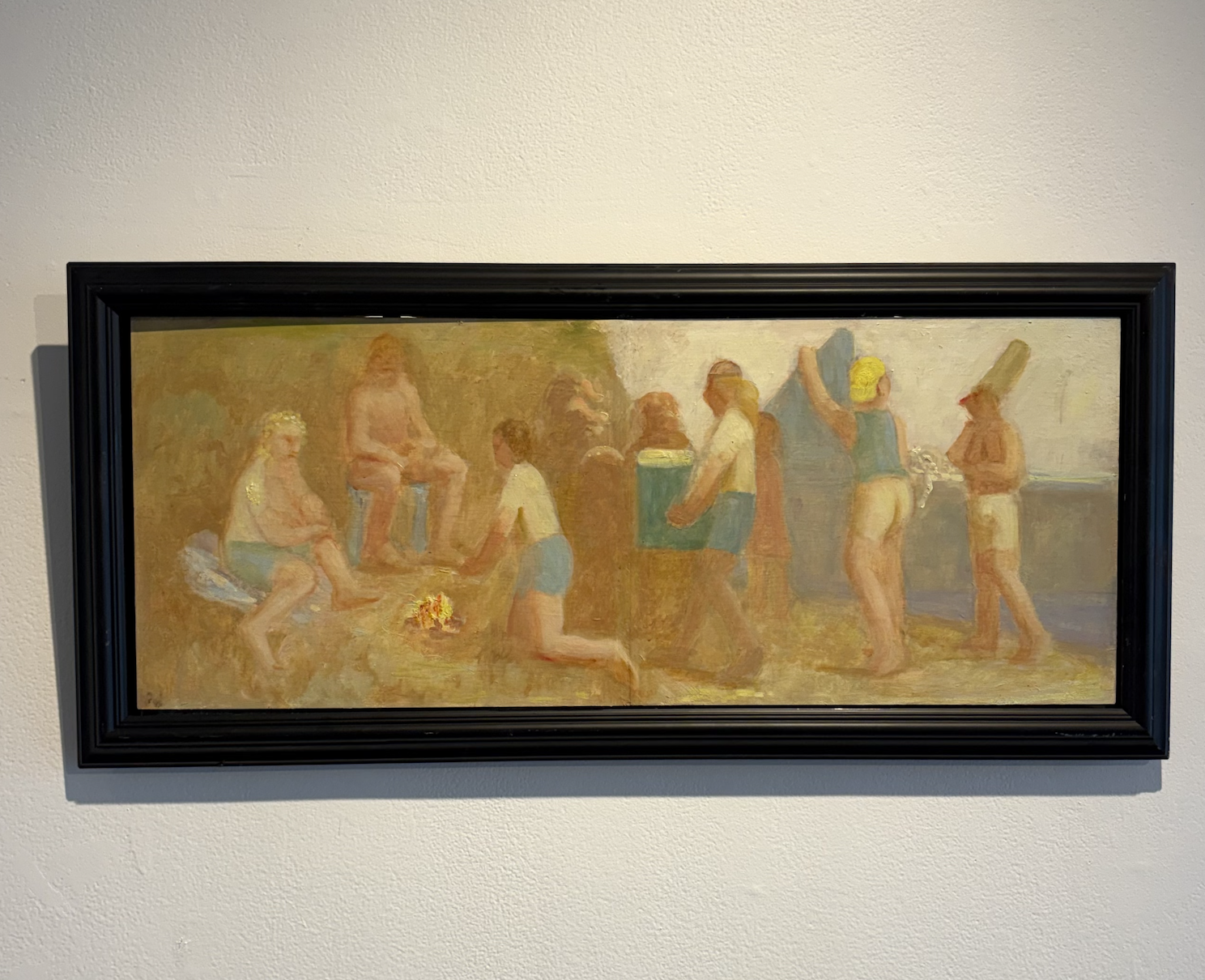
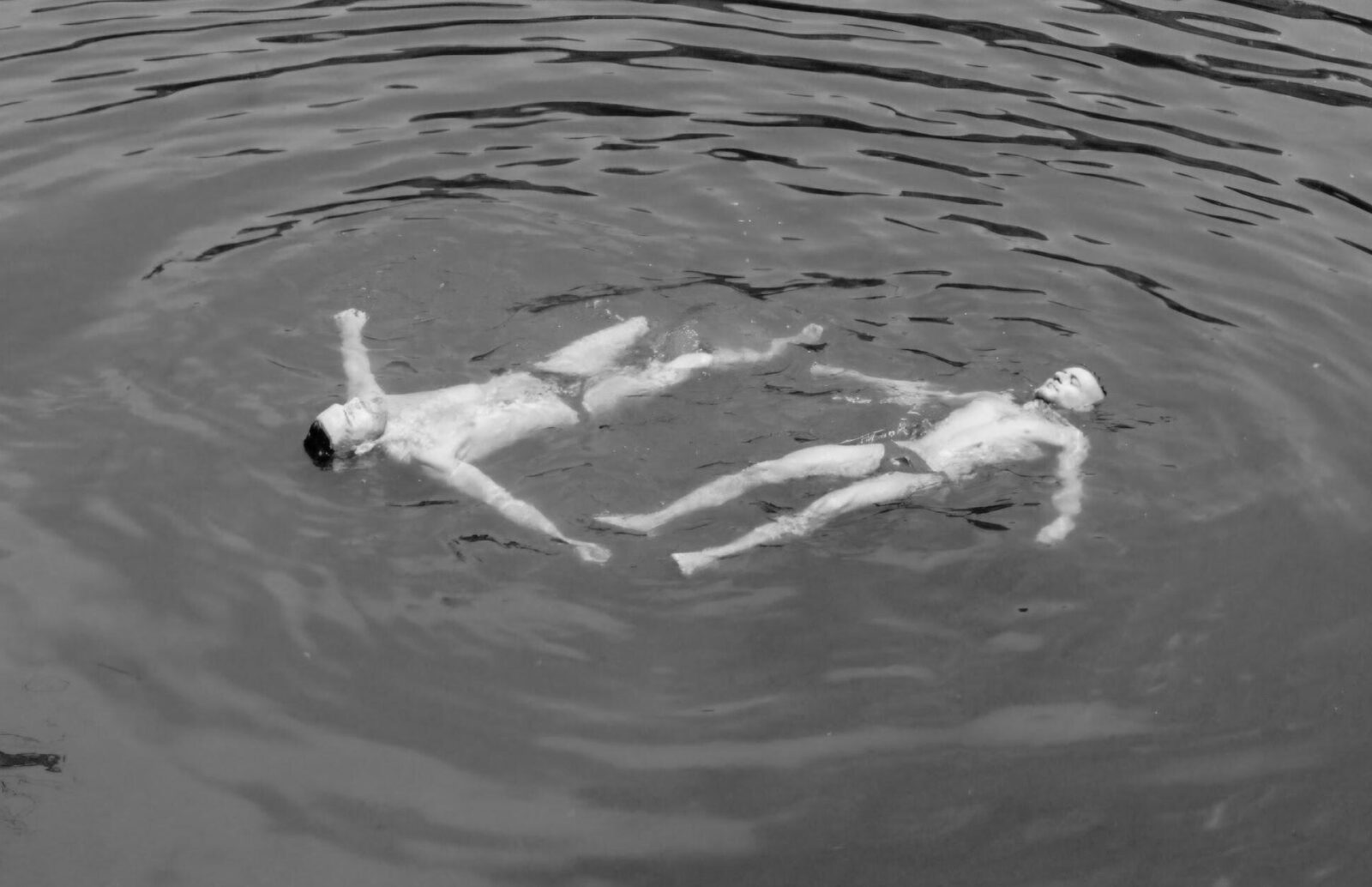
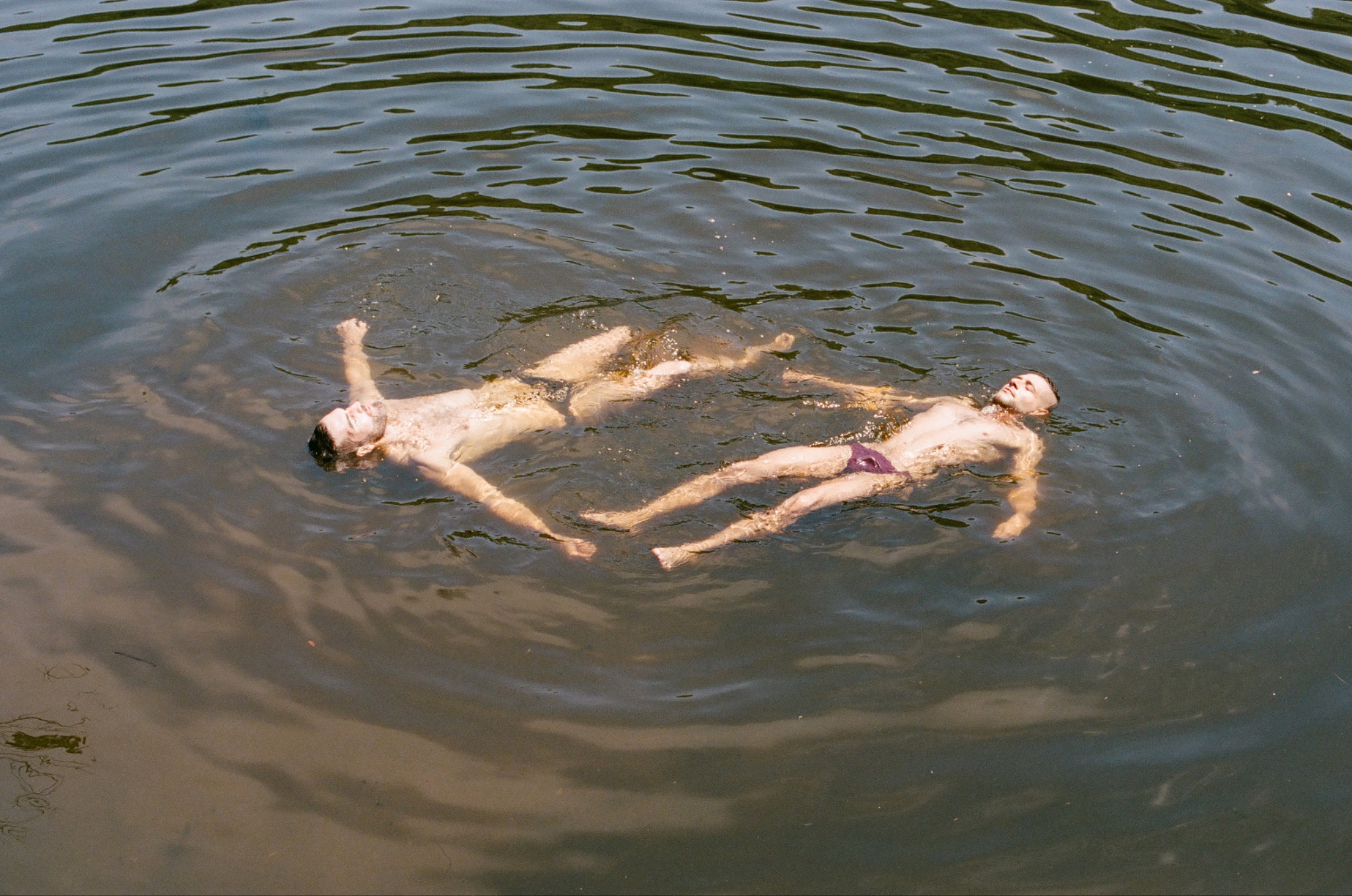
One of the biggest takeaways from the show is how much it embodies summer, with many of the works featuring water and the playfulness that comes with this time of year. In particular, Ross Collab’s Lovers, Floating shows two male bodies floating in a body of water with their eyes closed. A sense of stillness and meditation comes through the image. When you are floating and your ears are beneath the water, the world outside becomes muffled, and you focus only on your body remaining buoyant. There is comfort in knowing your lover is close by and won’t float away, as you can feel his feet near your hand. It is the safety of knowing you are not truly alone. While, Patrick Webb’s Family Picnic is a classical example of soft painting—powedery and soft-edged—depicting a picnic. A yellowish hue conveys the heavy, languid feeling one has when outside during a hot, humid summer day. It evokes memories of my picnics in the park with my chosen family, where food is brought, shared, and enjoyed, reminding myself and those around me that we are loved and seen within the communities we create.
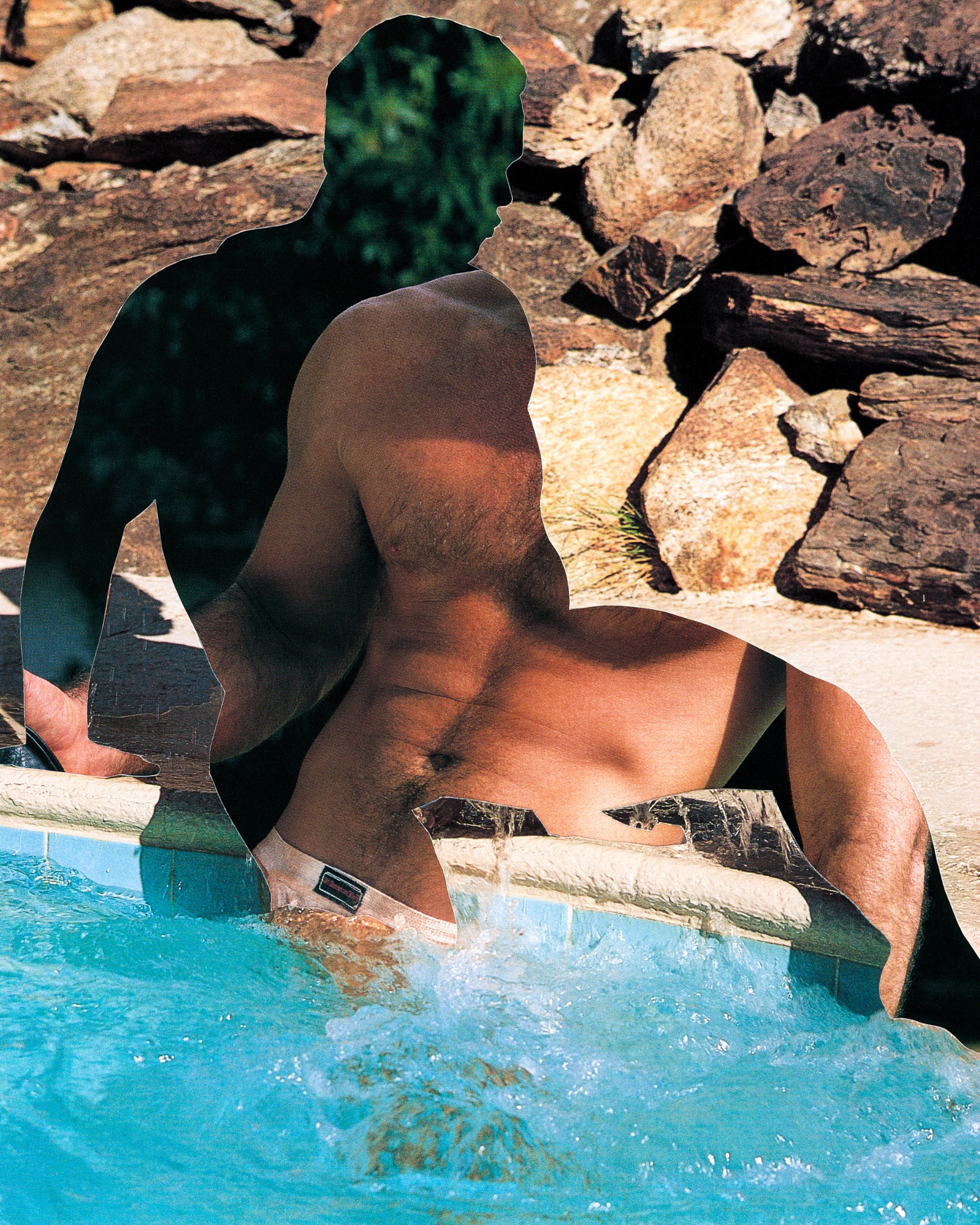
The way queer desire is layered, and sometimes a little ADHD in its visual language, drew me to Michael Young’s digital collage work, Poolside, May (2021). Featuring muscular men in seductive poses overlaid with other male figures beneath them, it is a feast for the eyes. Vivid and striking in contrast, yet somehow perfectly melding and melting together, it encompasses the objectification of the male body. No faces are fully seen, only the corner of a chin at most.
My eyes continued to linger on Young’s four digital collages. They felt so much like summer, fresh desire, fleeting desire, layered desire. More than anything, they made me question what it means to be a queer person. What is the persona? What is the non-persona? How are my own feelings represented?
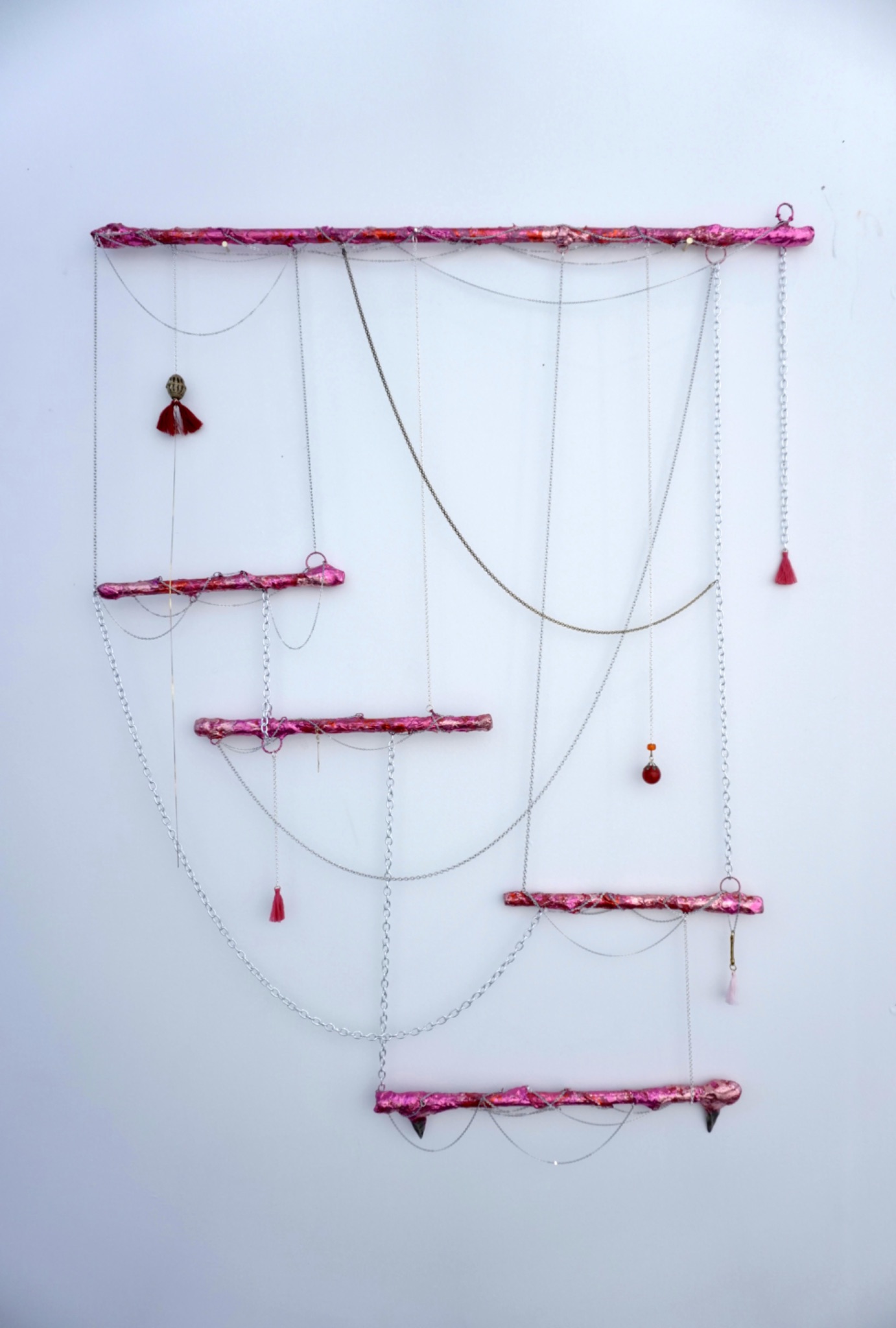
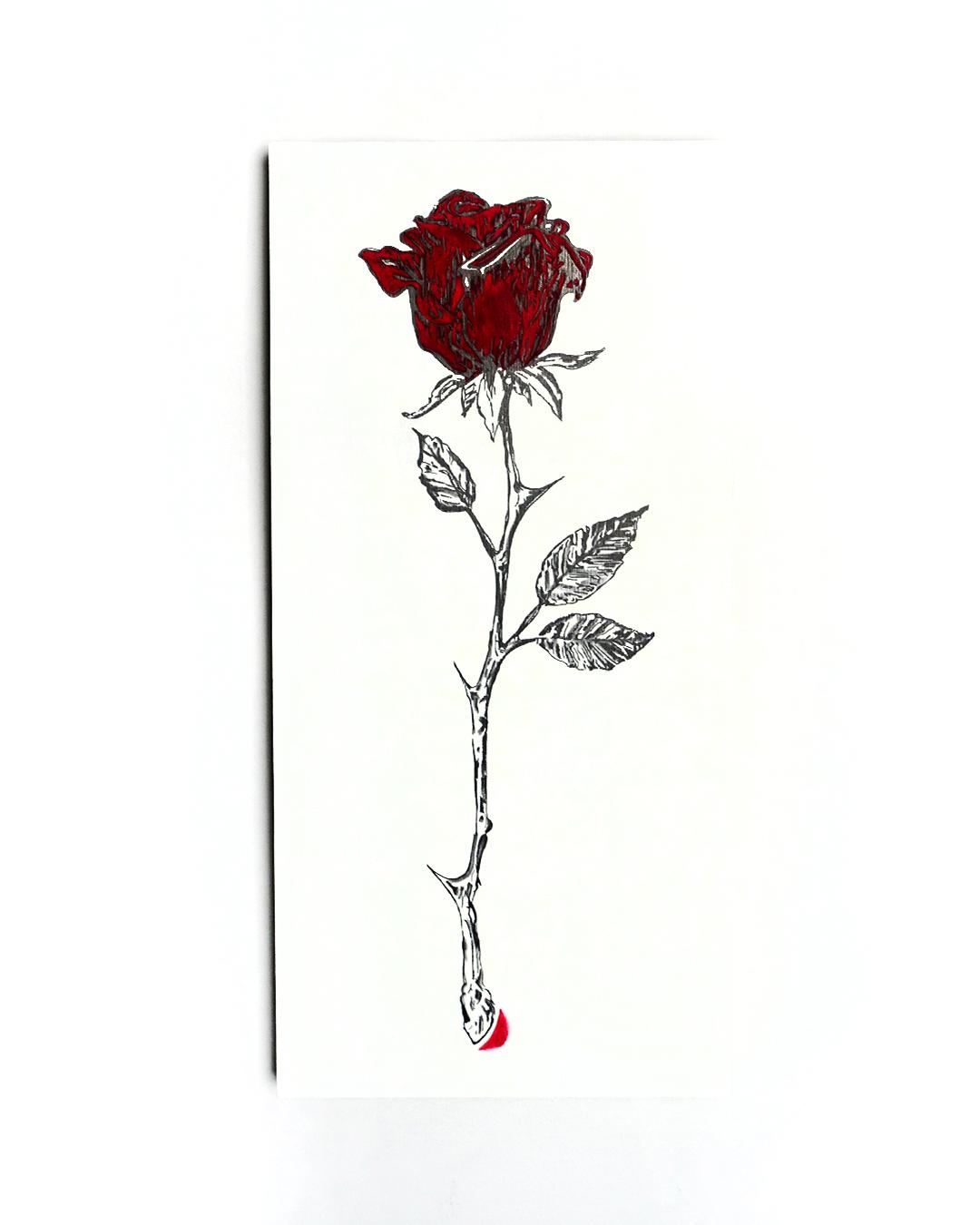
Artists also explore identity through abstraction. I really enjoyed Melanie Brewster’s sculptural works. For me, they evoke feelings that seem to have no real language to describe them. Her sculpture Your Mouth From Memory combines fractured edges with smooth, phallic forms in bright shades of pink. It perfectly captures the emotions I have when I think of certain people I have explored intimacy with. Near Brewster’s work are two pieces by Quinn: his painting Rose (Sister #1), a rose is a bright red exclamation point against the white walls. Fragile, beautiful, sharp, and temporary, it speaks to the desire to be chosen, to be given that rose, but also to the danger that desire can entail.
I left the opening reception after a brief downpour, filled with excitement for the artist talk taking place later in August, and reflecting on my own interpretation of desire and queer expression.
Magenta Lounge: Persona / Non Persona, curated by James Horner, is on view through August 30, 2026 at the Bronx River Art Center, 1087 E Tremont Ave, Bronx, NY 10460. Artist Talk: Thursday, August 13th from 6-8PM.
You Might Also Like
David Hockney, Who Urged the World to “Love Life,” Dies at 88
Giving the Finger to the Trappings of Genre: ‘Vaginal Davis: Magnificent Product’
What's Your Reaction?