
Who’s Showing What—and What They Love—at Market Art Fair

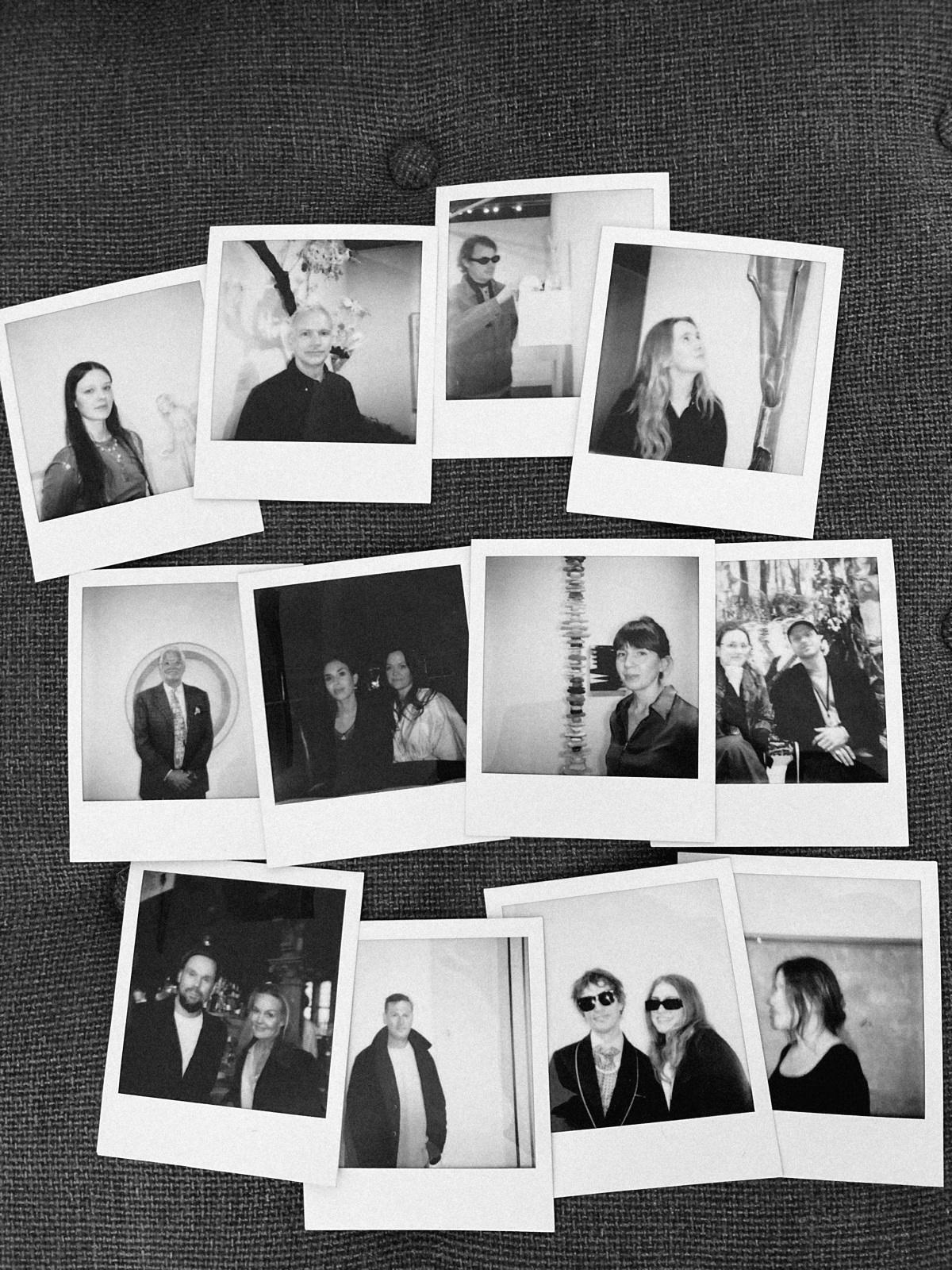

It’s Friday and the third preview day of Market Art Fair in Stockholm. With 150 exhibitors, its 20th edition is the largest to date. The fair has moved from Liljevalch’s, an art centre in the royal national park, to Magasin 9, a former warehouse, at one of the city’s ports. Not the most glamorous or easy to reach location; however, the Porsches organized by Stockholm Art Week and their young, dashing drivers (I rode with Sten) that shuttle there make the transition easier. Founded in 2006 as a joint initiative by galleries from Denmark, Sweden, Norway, and Finland, the fair focused on Nordic artists until recently, in 2025, when it expanded its scope to accept international presentations.
As a Swede, I have to comment on the weather, which was great. I even overheard a Swiss gallerist saying, “If you want to catch Stockholm during a tropical heatwave, go during Market Art Fair,” and I must say that I could not agree more; the same goes for Chart Art Fair in Copenhagen. Metaphorically, art fair weeks get the Scandinavians all hot and unbothered. When I stepped inside Market, I passed by collectors chatting in the aisles, exhibiting artists checking out their peers’ work, and, surprisingly, most gallerists in a zen state of mind. The majority had made significant sales—good news to bookmark for the next art market report.
At the fair, a dinner at Konstnärsbaren, and an after party at Soho House, I captured exhibiting artists, gallerists, and other notables with my Polaroid. Perhaps inspired by the nostalgic soft hues of the instant photographs, I asked about art fair anecdotes, but also discoveries and favorites from the fair. Strange behavior and sublime pictures were amongst the topics of conversation.
Exhibiting Artists
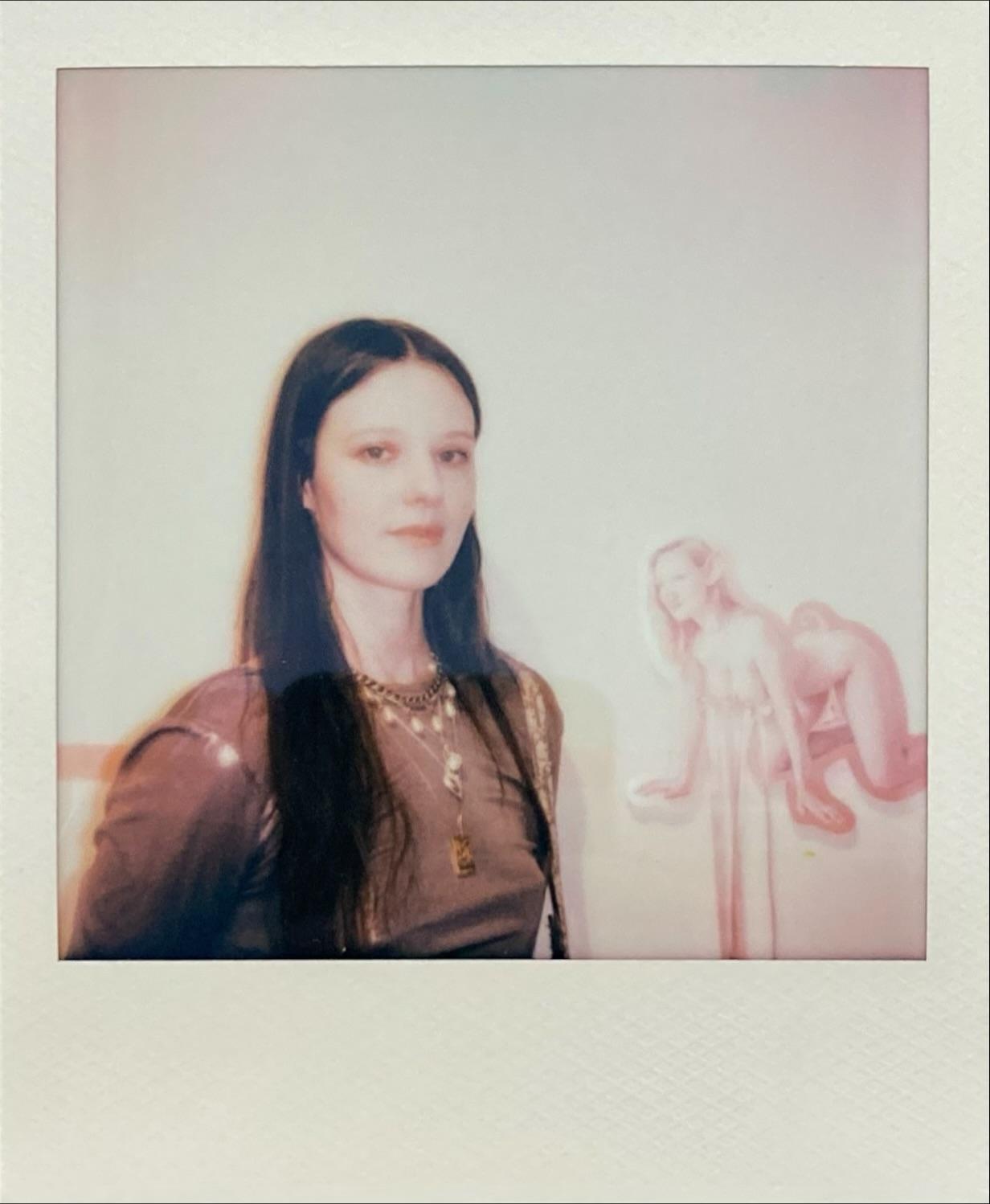
What’s the essence of your artistic expression, and how would you say it’s reflected in your solo presentation at Market Art Fair?
I usually say I work with artificial women, which is sort of a tautology because a lot of what we perceive as womanly is artificial. PIG and the video works at Market go deep into this artificiality.
Do you have a favorite piece at the fair?
I really loved Albin Werle’s booth. It was fun, and the works are beautiful; I love a bit of medieval aesthetic.
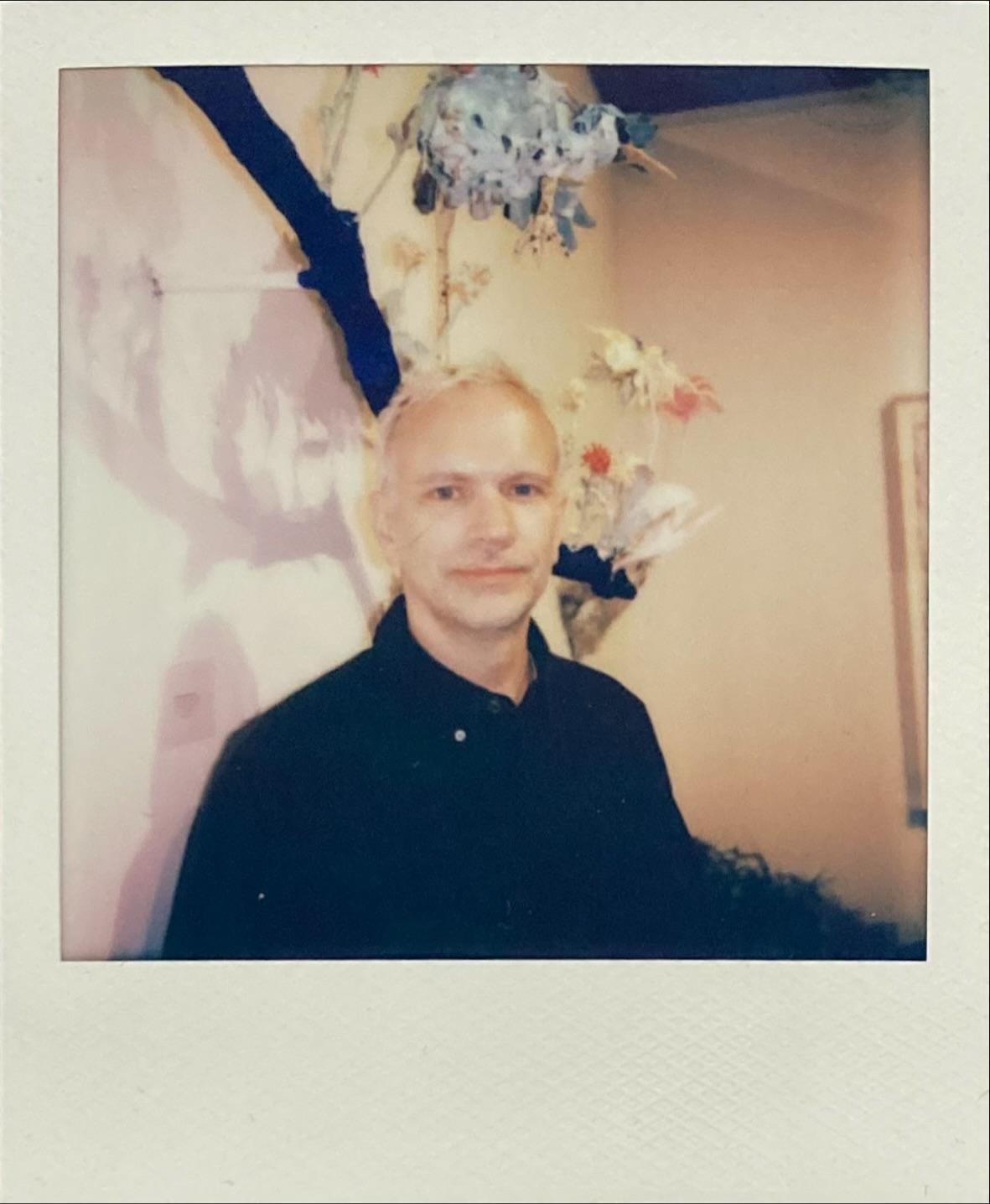
Tell us a bit about the piece behind you, created with your other artistic half, Nathalie Djurberg.
This sculpture is part of our larger installation, The Enchanted Garden—a kind of immersive, almost hallucinatory landscape. It is about desire, about wanting too much. Wanting beauty, magic, intensity, and then tipping over into excess. It’s about transformation and failure, failing to hold something delicate without overwhelming it; the tragic and grotesque moment where desire becomes consumption, where you don’t just long, you devour. We often think of the garden as a metaphor for the subconscious: a place where beauty and discomfort coexist, where innocence and darker impulses are entangled.
Which art happenings are you looking forward to this spring?
The Venice Biennale, I’m going to the opening. I can’t wait to have an Aperol Spritz in the sun and see some art.
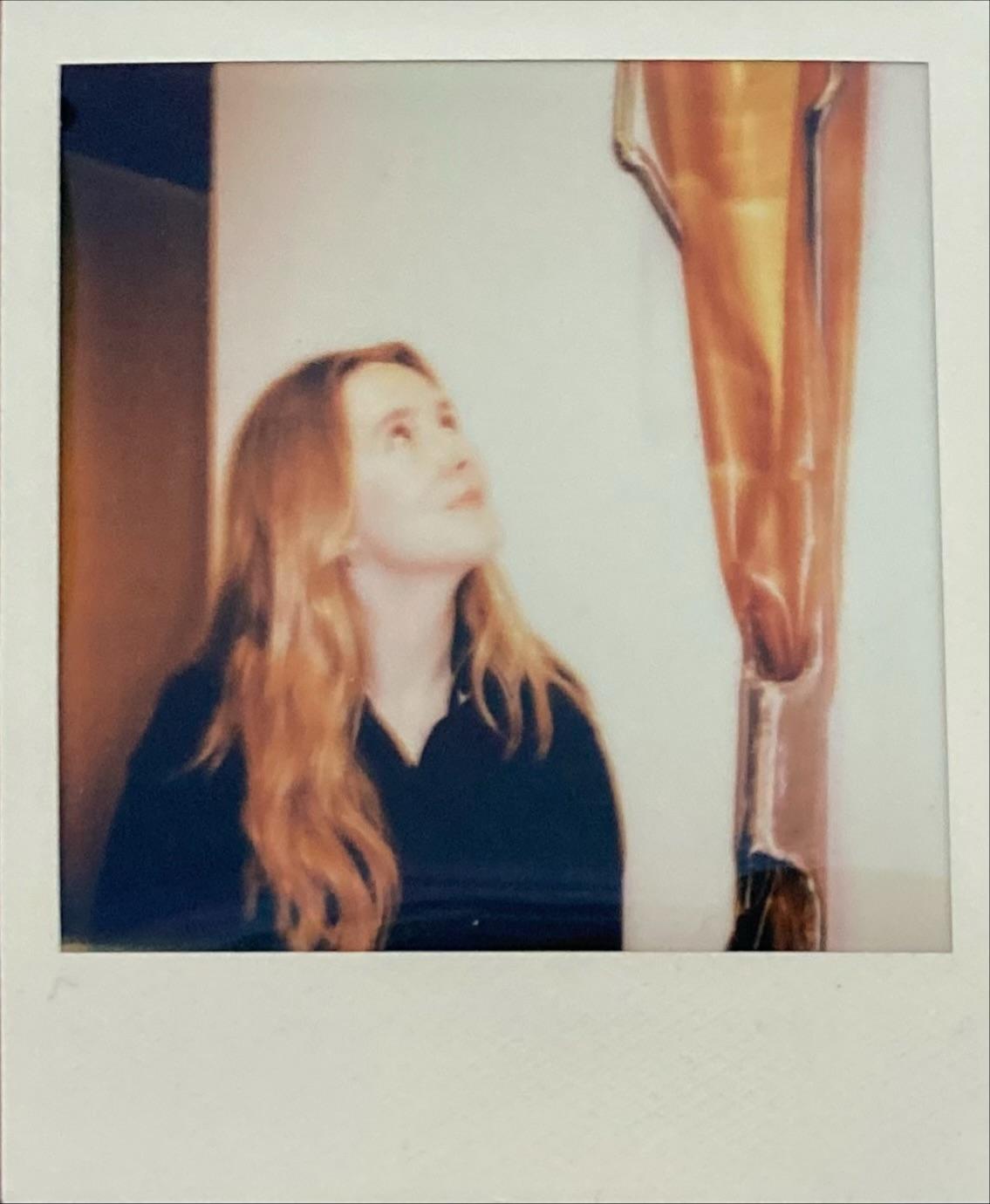
What’s the story behind your artwork?
I’m drawn to latex’s sensual ambivalence: a surface that both protects and exposes. In this sculpture, I bring out the soft and hard qualities of the steel and combine it with latex—which is tied to the body—to represent an abstract body or object.
Best booths, so far?
My favorites were Steinsland Berliner’s booth with Arvida Byström and Nordenhake’s booth with Ann Edholm and Mirosław Bałka.
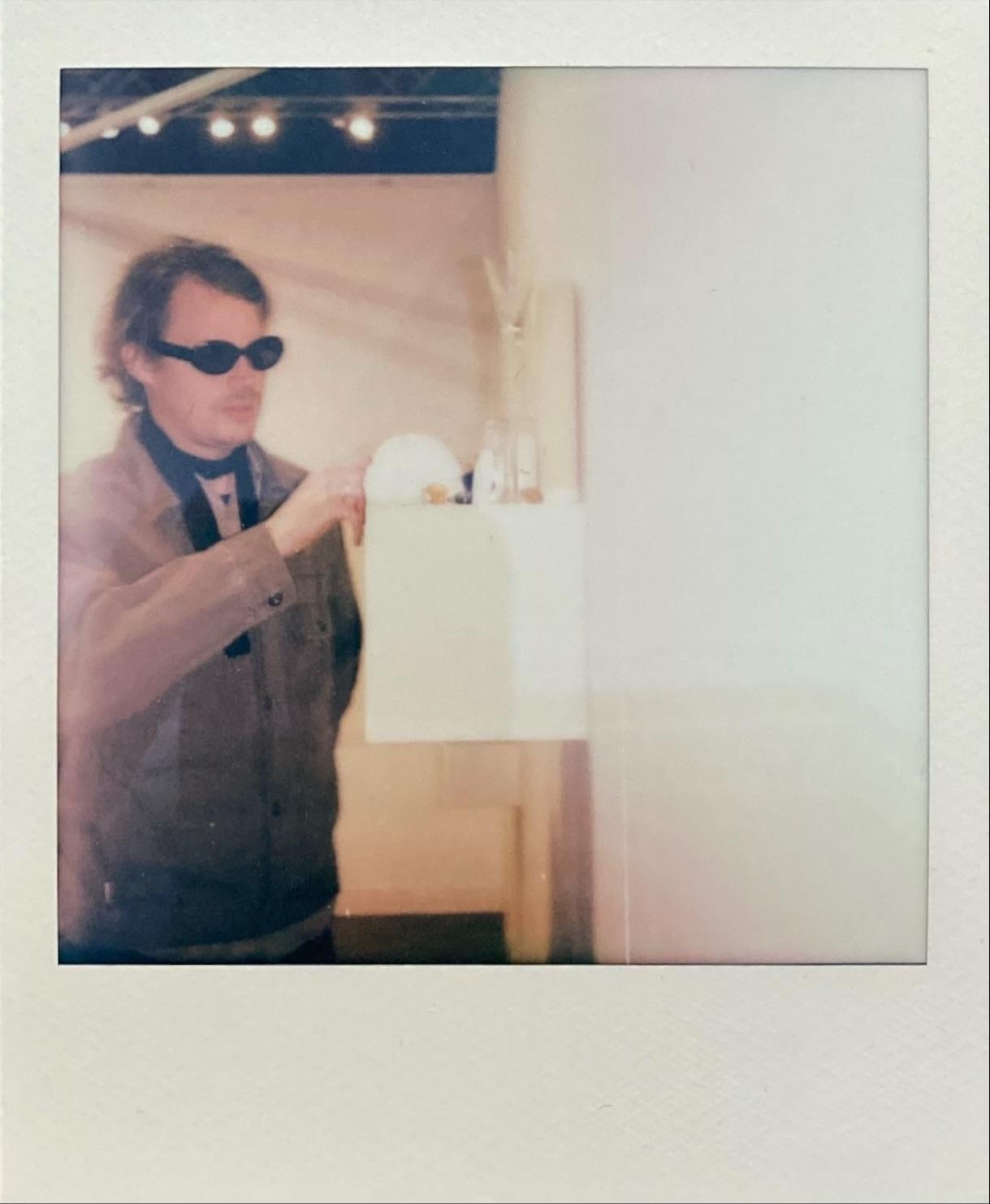
I’m totally in love with the little shrunken passion fruit in bronze, which is a part of your piece (Box #9). You work a lot with bronze. What is it that you like so much about this material?
I work with many different materials, each with its own material quality. My bronze objects are sometimes small, just like the passion fruit, and made to be held in the hand or to be carried in your pocket when going for a walk. Translated into bronze, the objects take on a new weight, and a small object can suddenly become heavy. A quiet sculptural quality that you first notice when you hold it in your hand.
Do you have a favourite piece by any of the other artists at the fair?
90x33x31 by Miroslaw Balka.
Exhibiting Gallerists
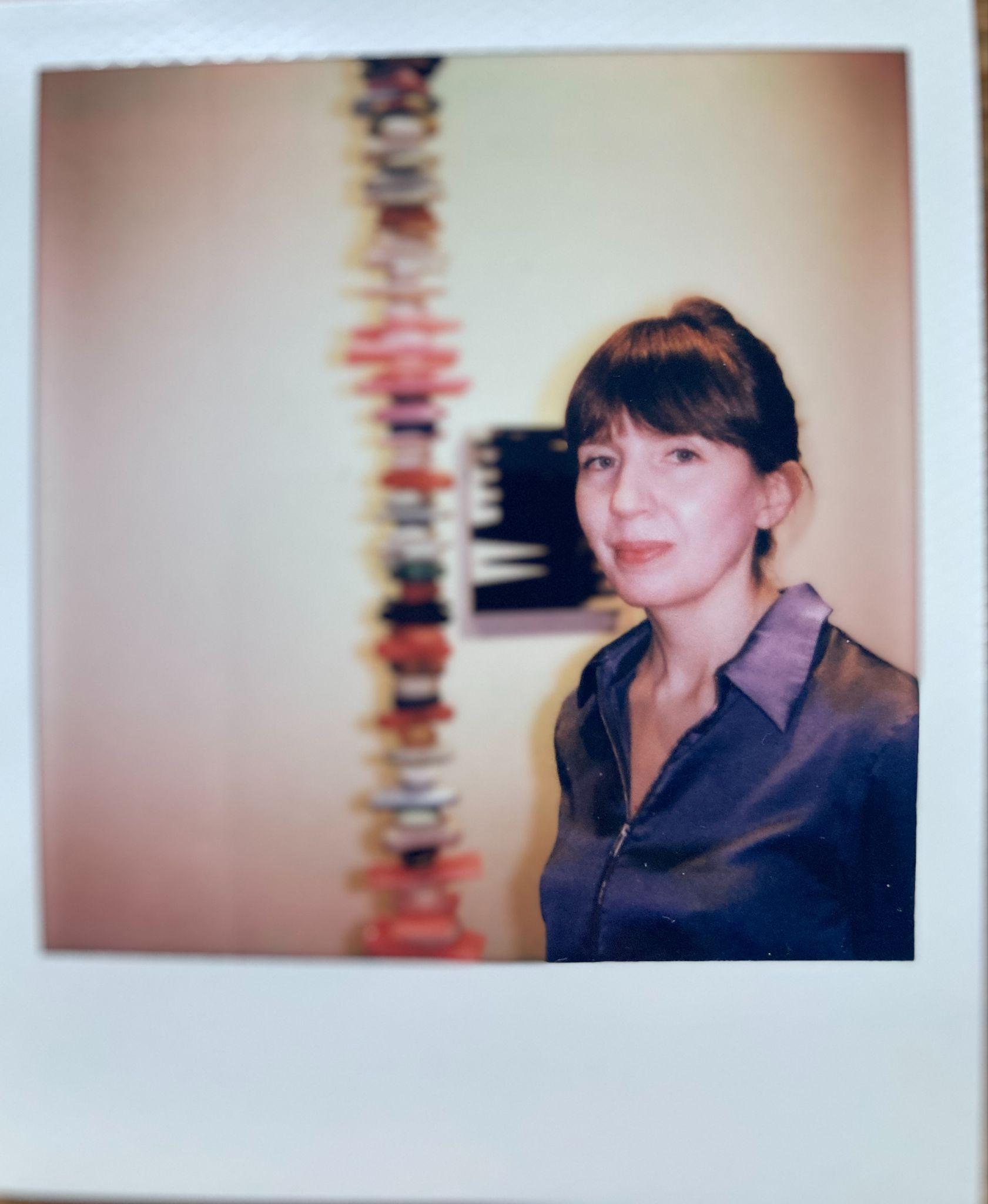
The most talked-about piece at the fair today is without a doubt Miroslaw’s stunning sculpture 550x20x20. Why did he create it out of soap?
Miroslaw Balka’s minimal but sensory soap columns are testaments to our human daily rituals. As the artist observes, we are washed as soon as we are born and washed after we die. His subject matter draws on personal and collective memory, his own Catholic upbringing and the recent, fractured history of his native country, Poland.
What is your favourite art fair memory?
Art Basel last year, when we presented ambitious installations with both Frida Orupabo and Frida Escobedo. It was a statement I will not forget.
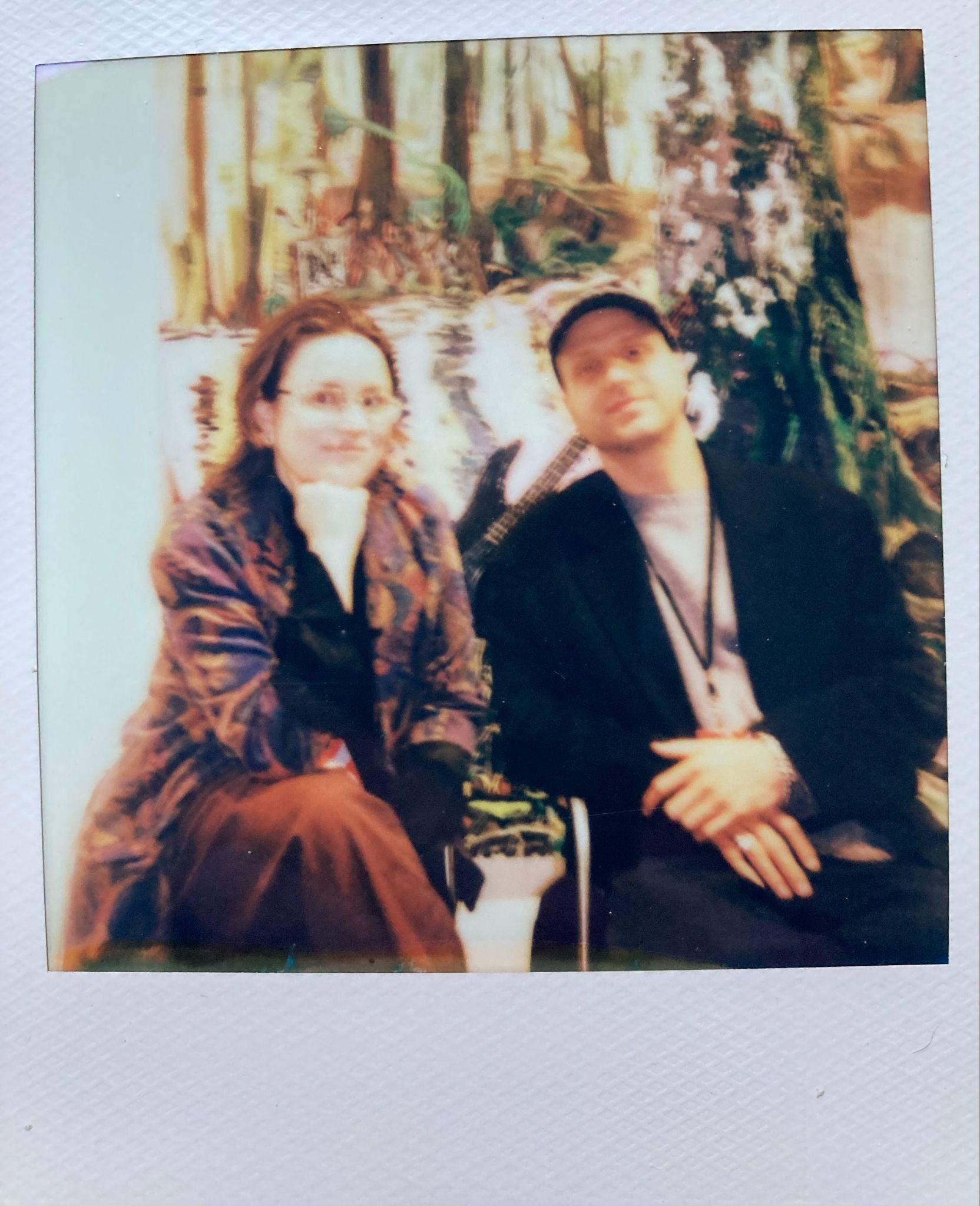
This is the second time you are showing Jonatan Pihlgren at Market Art Fair—what is it about his artistry that you like so much?
I love the honesty of Jonatan’s work; he approaches painting with a lot of passion and emotion. His motifs never stop surprising me.
Congratulations, you exhibited at Frieze London for the first time last summer. Can you share an anecdote?
Filip: I was unloading a big roll of bubble wrap from an Uber outside the fair, getting ready to de-install. Madonna walked past me with ten bodyguards. Turns out she made a last-minute visit to the fair. Also, all of the extravagant outfits during the preview day.
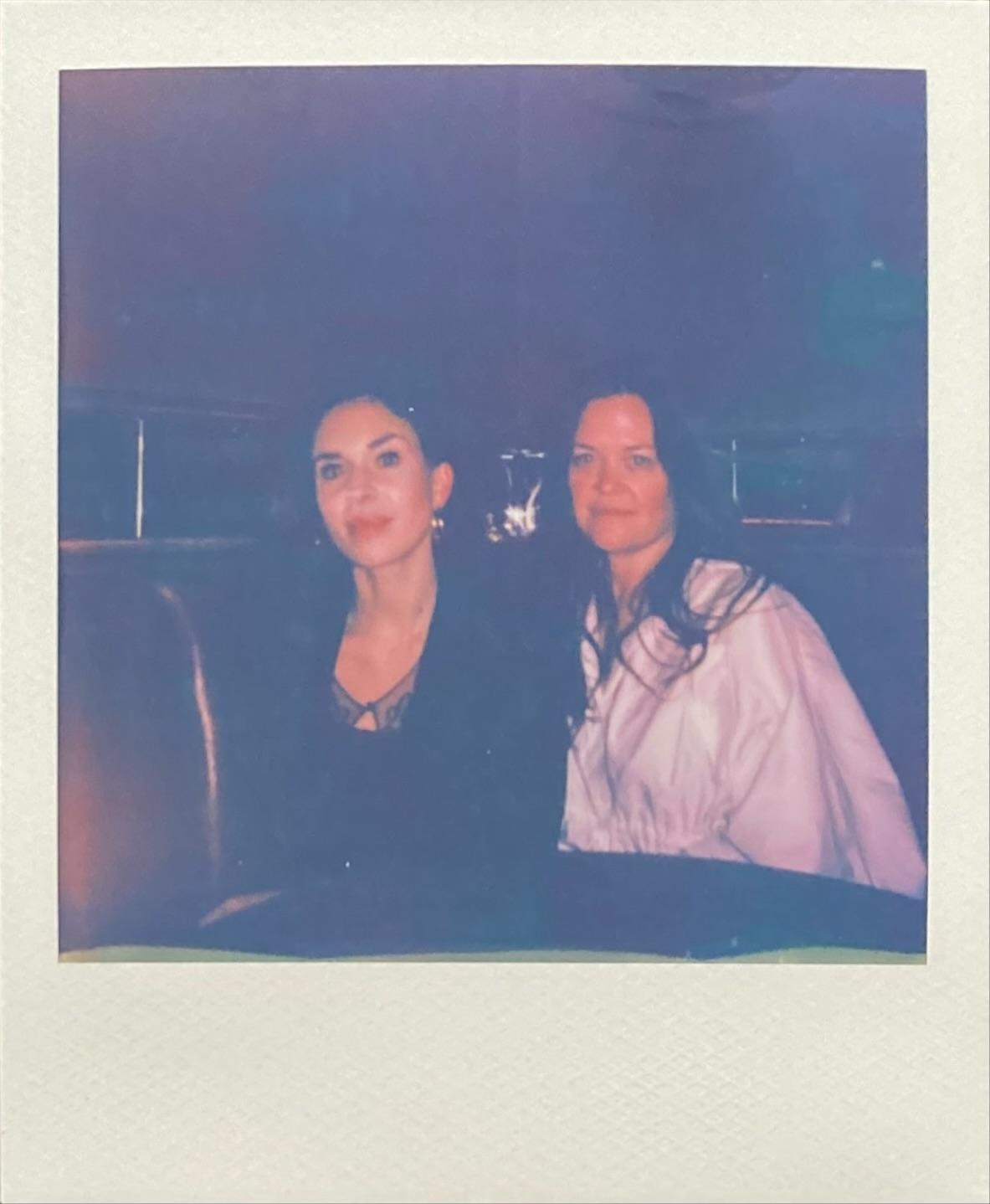
What was your most memorable art fair visit?
Elle: Art Basel in 2010, when I stayed in my friend Stefan von Bartha’s townhouse. It was early in our careers, and Stefan hosted artists, friends, and colleagues in every inch of the house. I gained insight into Basel as an art city through the fair’s intense pulse and life beyond it—I especially remember a party at Volkhaus thrown by one of Stefan’s friends. It was generous, inspiring, and communal, as the art world is at times.
What is the most elaborate piece you exhibited at an art fair?
Elle: Last year, we showed Diana Orving’s work Nebula at CHART Art Fair in Copenhagen. It was a monumental textile piece with flowing, lilac-coloured forms, stretching fourteen meters, suspended above the staircase and extending into the upstairs space.
Collectors and Other Notables
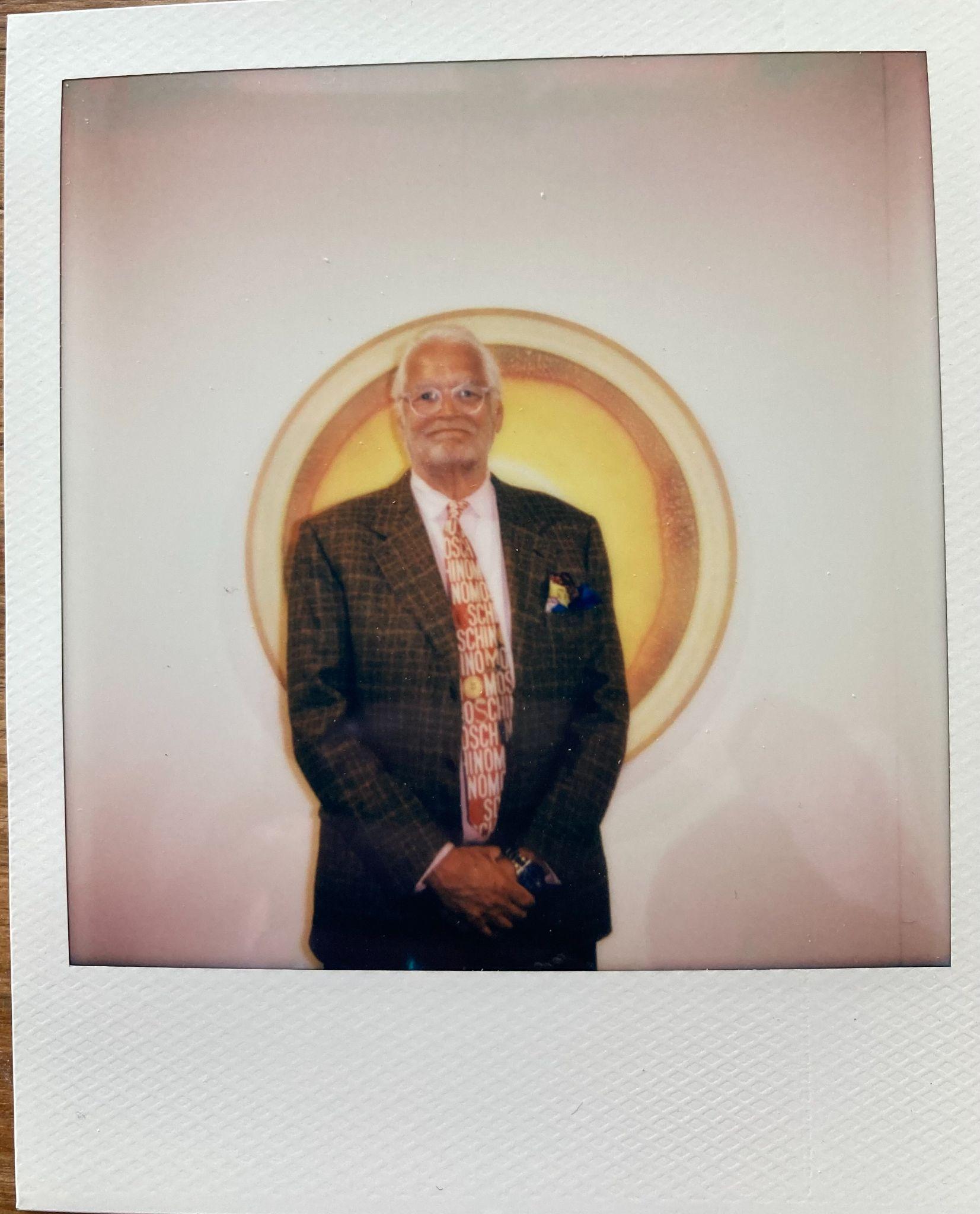
What is your highlight at the fair?
I actually just arrived, but I’m really taken by Olafur Eliasson’s pieces in this booth.
Also, really love your outfit, it reminds me of how the Florentines dress. What was the latest piece you added to your collection?
Thank you. A work by Dutch light artist Tamar Frank—serene, introspective, and minimalist. It is just beautiful to look at.
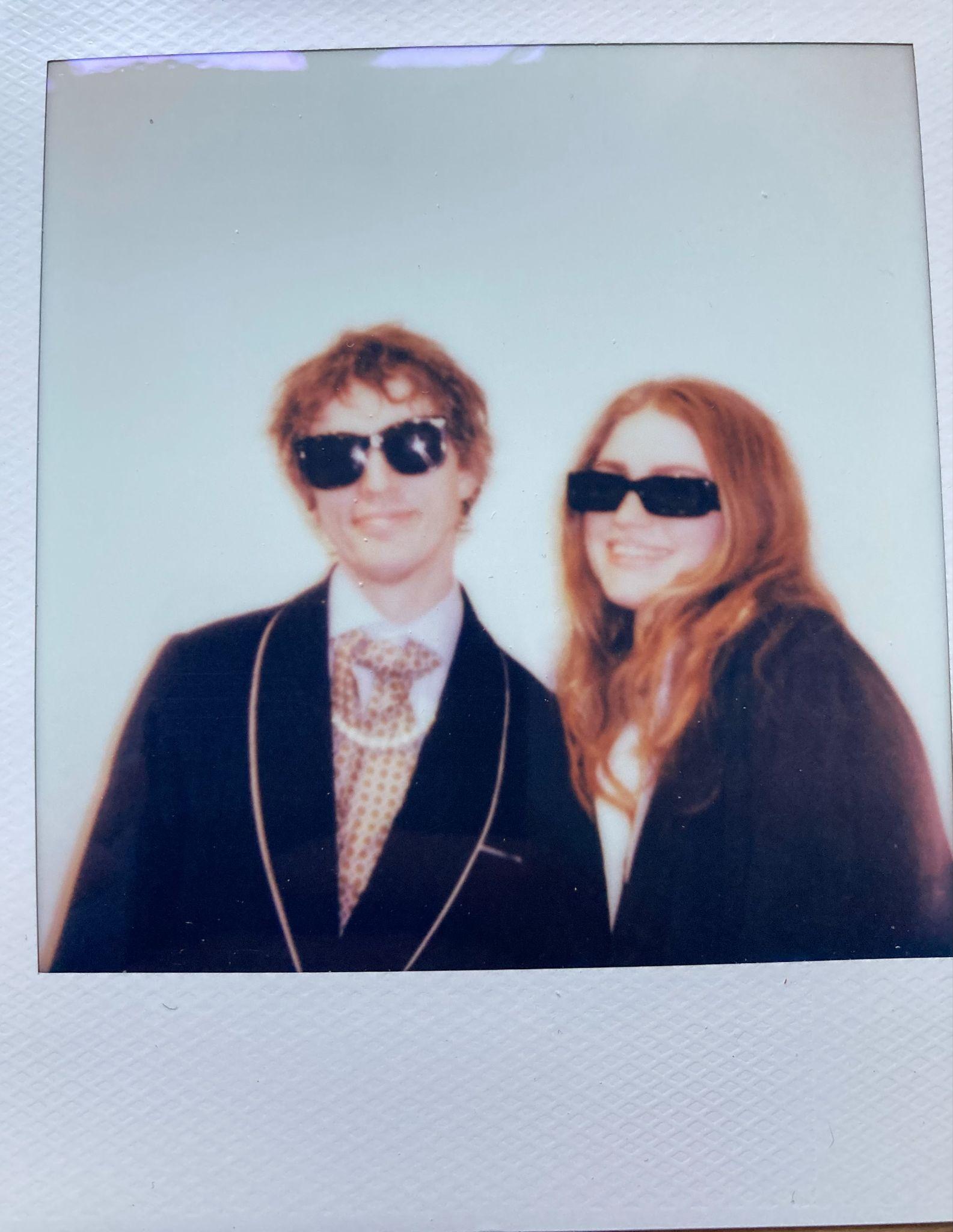
Have you discovered any new artists today?
Madelene: I really liked the textile works by Petra Lindholm in Magnus Karlsson’s booth. I had not seen her work before and was especially drawn to how the textile and its texture made the works feel alive.
Do you have any pro tips on how to get the most out of the social scene at an art fair opening?
Robert: Bring a sister who also loves looking at and talking about art and let curiosity do the rest.
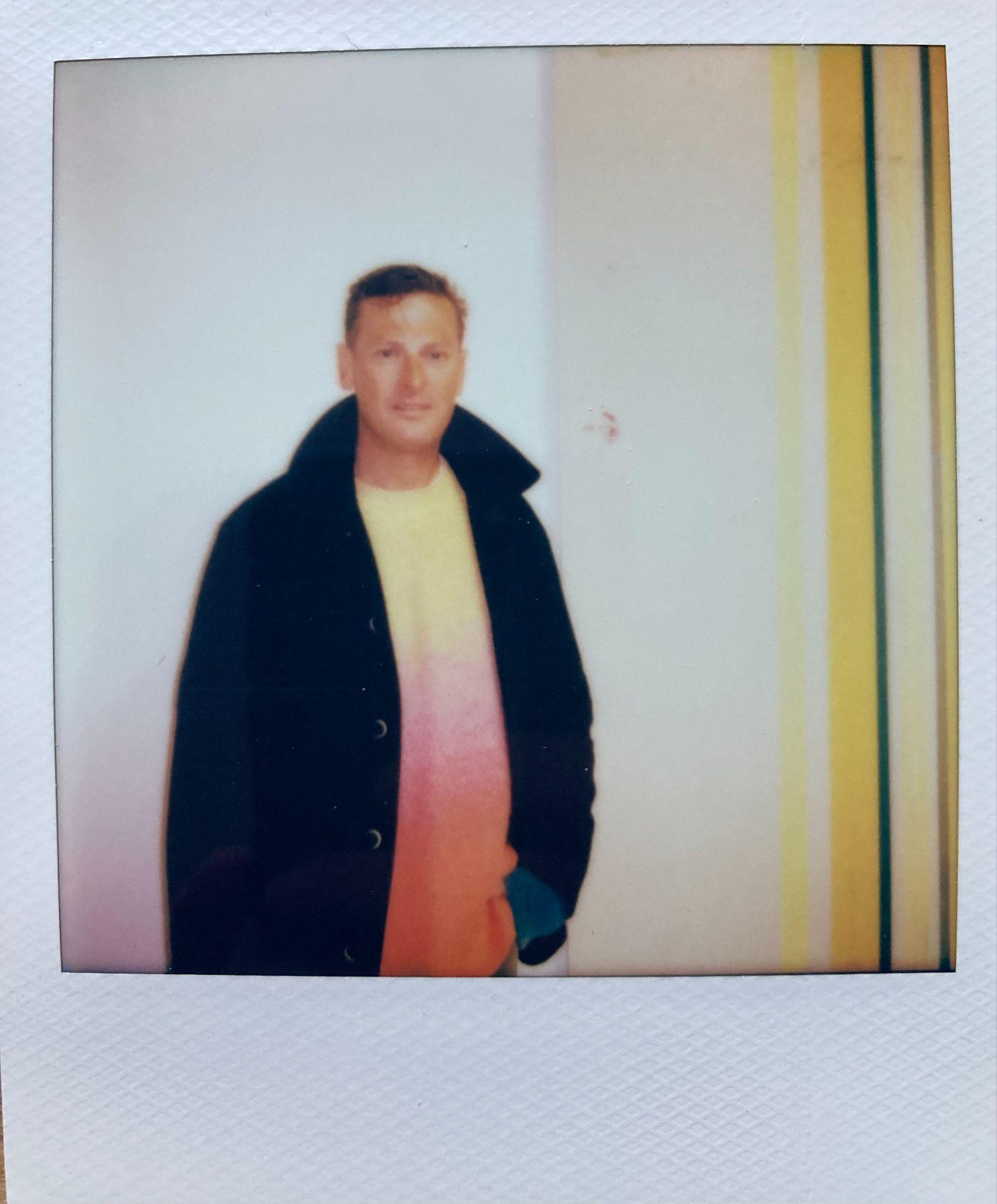
These paintings by the Norwegian artist Fredrik Vaerslev are my favorite. What about yours?
Mine too. They are simply sublime.
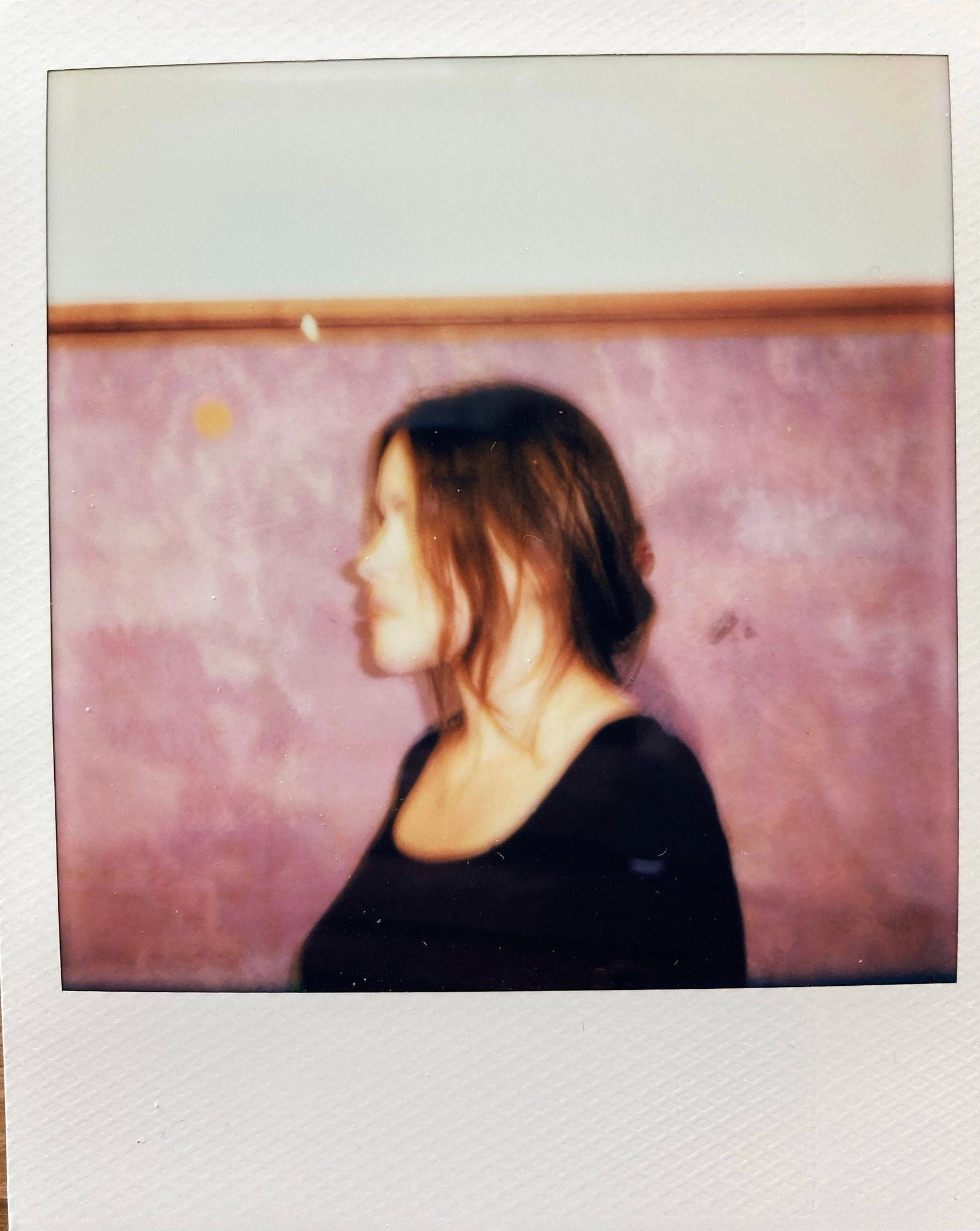
What has blown you away during Art Week?
Mads Hilbert at Market with Gallery V1, and I’ve always loved Oskar Korsár, he is showing at LUCKY STRIKE [a roaming contemporary art platform currently at Nordiska Galleriet Archives].
What are you looking forward to this spring/summer?
My upcoming residency at Mack Art Foundation in New York.
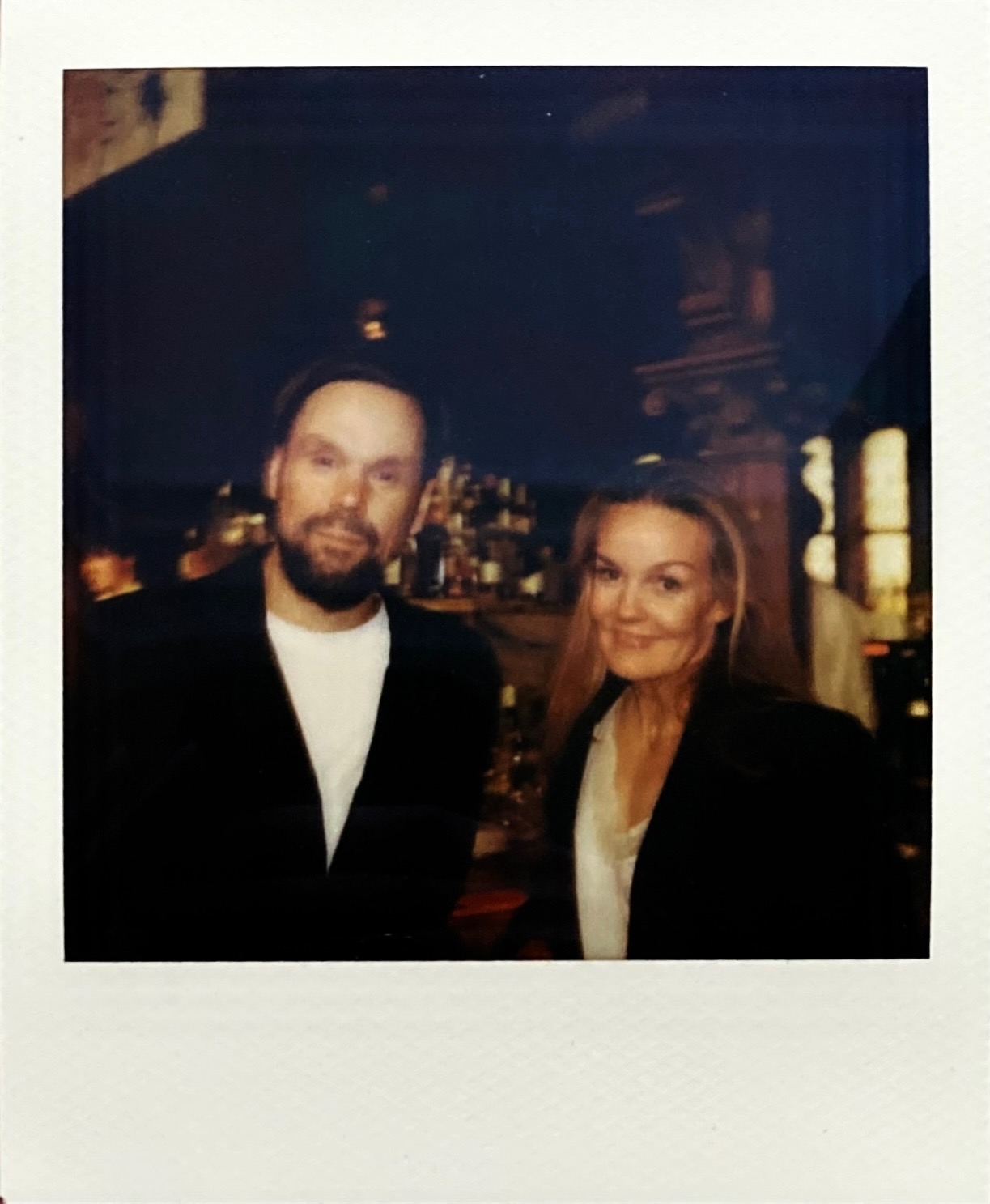
What has been your coolest art experience?
Jonas: Coolest? Being in the centre of Anne Imhof’s immersive performance Faust in the German pavilion during the opening day of the Venice Biennale 2017. That was magnificent, memorable and very, very, VERY cool.
Karolina: One of the best exhibitions I have seen is The Weather Project by Olafur Eliasson at Tate Modern. Basically, a giant fake sun indoors — and people were lying on the floor as if they were at the beach. Myself included. What I liked about it was how simple the idea was, but still completely immersive. The whole space shifted with the light and the haze, and suddenly, everyone started behaving a bit strangely together. It felt like a social experiment.
The 20th edition of Market Art Fair took place between 23–26 April, 2026 at Magasin 9, in Stockholm.
You Might Also Like
What's Your Reaction?