
The Immigrant Artist Biennial Announces Artists for its Third Edition

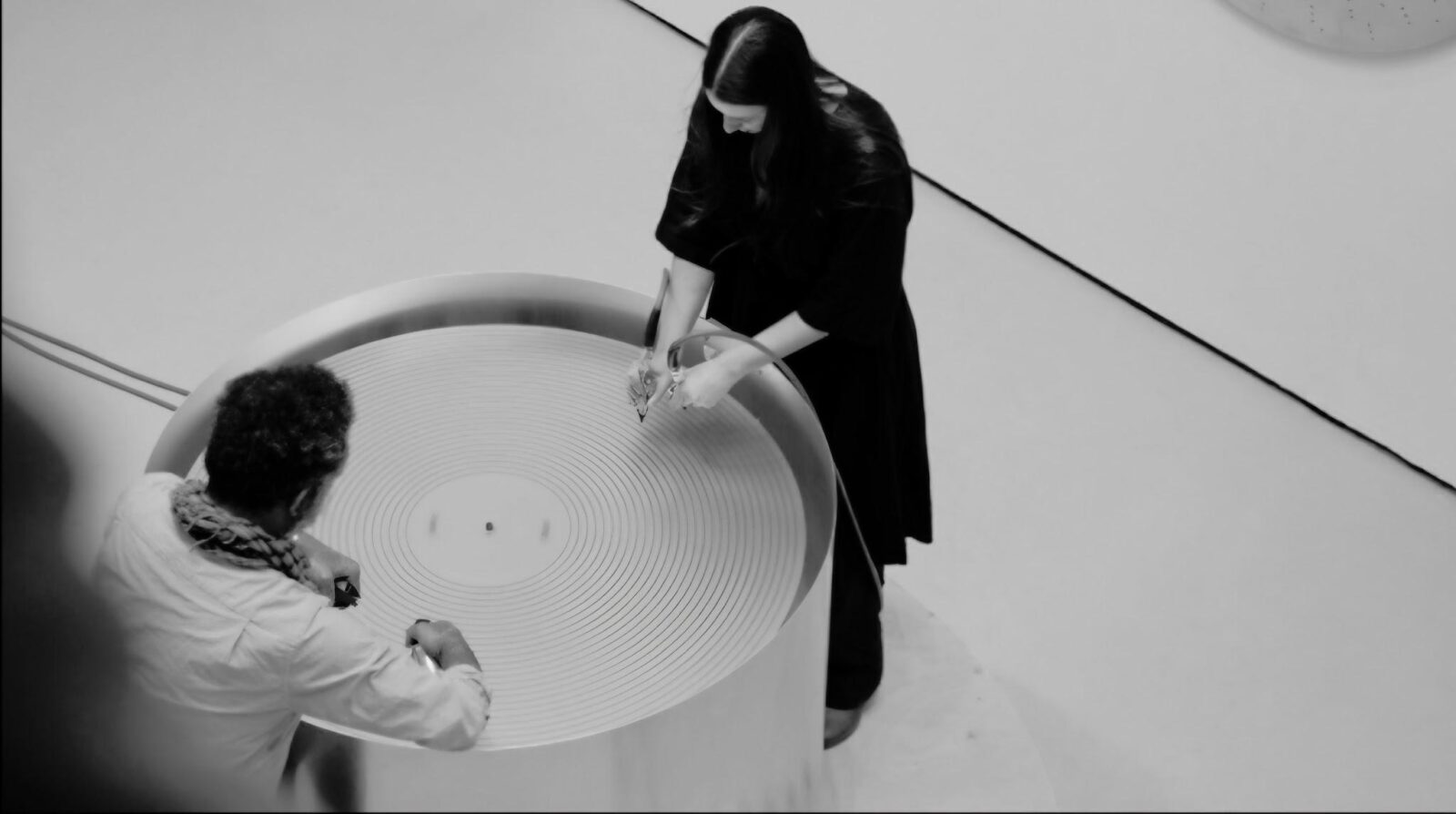

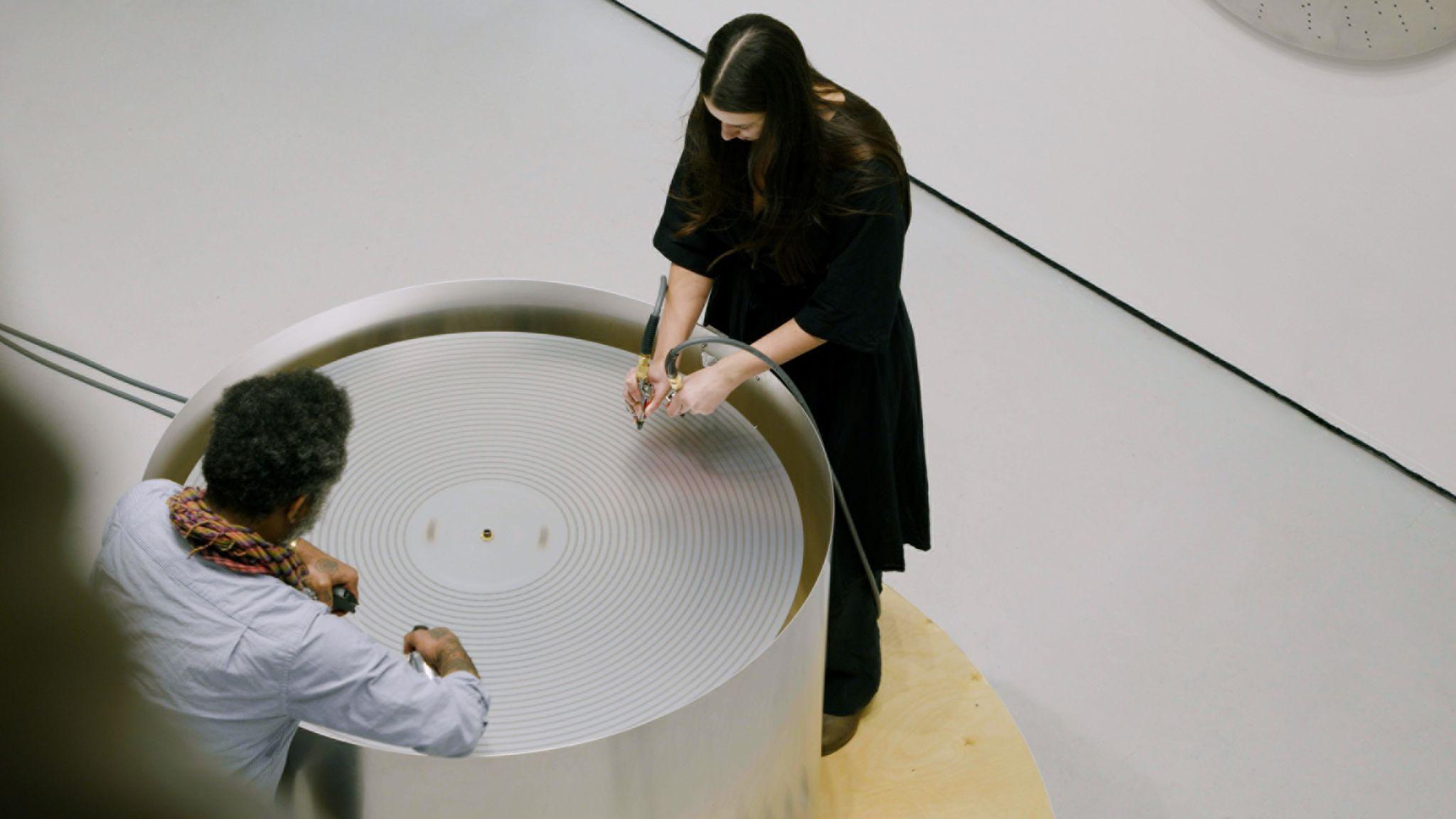
The Immigrant Artist Biennial has announced that eighteen artists and one organization will present work in their third edition, opening in October 2026, and titled Identity Card. This iteration’s curatorial team, who were announced in February, are Sanna Almajedi, the Iana Safina Co-curator, Sofia Thiệu D’Amico, the Lesley Bodzy Co-curator, Eva Mayhabal Davis, the Bailey Coleman Co-curator, and Anna Khimasia. They announced in a press release that artists, activists, and organizers will in their programming “explore collective memory, institutional censorship, embodied forms of knowledge, territorial sovereignty and mutual aid—conditions continually denied by occupying authorities as the capacity for mobility—whether physical, cultural or conceptual—remains unevenly distributed and violently policed.”
The Immigrant Artist Biennial’s 2026, Identity Card, artists are:
Behar Behbahani
Rawya El Chab
Stephanie Comilang
Ivana Dama
Rachelle Dang
Tasha Douge
Bel Falleiros
Maya Jeffereis
Andrew Yong Hoon Lee
Pearlyn Lii
Sujin Lim
Simon Liu
mandla
LuLu Meng
National Coalition Against Censorship
Charlie Perez-Tlatenchi
Lita Vinueza
Anh Vo
Layqa Nuna Yawar
Self-determination, displacement, and conflict are pointedly mentioned in the announcement. Identity Card does not only take its title from the official object, but also from Palestinian poet Mahmoud Darwish’s poem of the same name. A bold statement. National Coalition Against Censorship has registered fifty one incidents of art censorship since 2023 in their “Art Censorship Index: Israel-Palestine 2023,” including by Cooper Union, Center for Book Arts, and Frick Art & Historical Center. Fittingly, NCAC is also included in the biennial artist list, and from their programs department, Elizabeth Larison and Minji Lee are also catalog contributors. There are no Palestinian artists, but from the Middle East, Rawya El Chab, whose practice explores Lebanon’s civil war, which she fled from as a young girl, and Iranian artist Bahar Behbahani, who works with geopolitics and water, are both included. Independent curator Sarah Rifky and scholar Rebecca Ruth Gould, both specialized in the Middle East, will contribute essays, and the biennial is partnering with ArteEast. The biennial’s sharp visual identity–inspired by geography and passport design—is created by Chicago-based Anders Newman. With the Iran and Israeli-Palestinian Wars, highlighting the lives of those in the region is timely, and it seems that the curators will use these devastating themes of war as a catalyst to explore migration.
“The Immigrant Artist Biennial was founded to create a space where immigrant artists can be seen, heard, and celebrated,” explains founding Artistic Director, Katya Grokhovsky. The biennial’s new event-based format offers the possibility for people to build community. She continues, stressing the importance of convening, “As an immigrant, I know that belonging is something we build together. With Identity Card, we continue that mission by convening artists, audiences, and communities in conversation, affirming that immigrant voices are an essential part of the cultural fabric of our past, present, and future.” While the organization’s second director, Anna Mikaela Ekstrand, proclaims: “Right now New Yorkers crave community.”
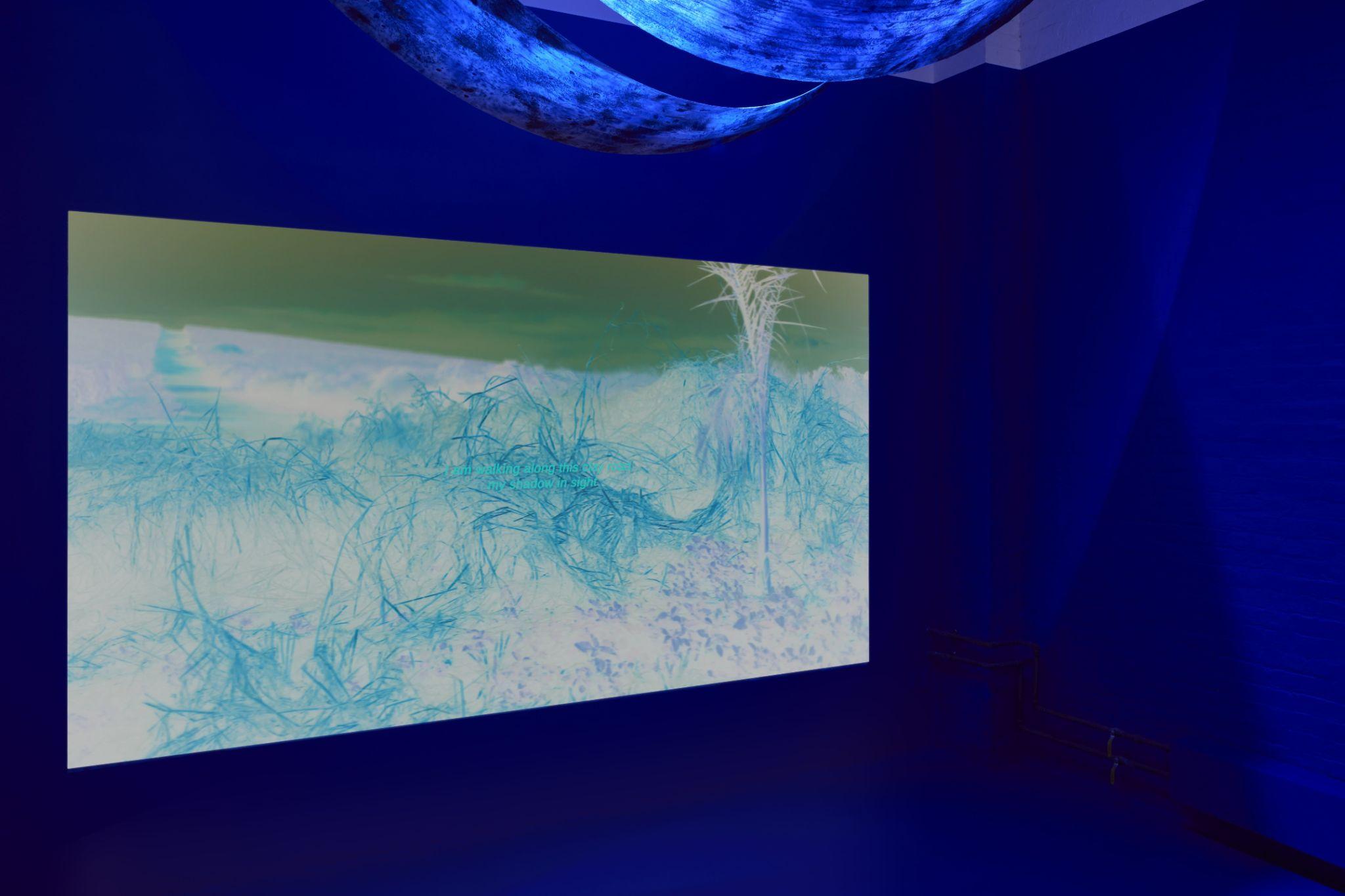
More than seven screenings, performances, panels, workshops, and a potluck will take place at BRIC, John Jay College, Brooklyn Art Haus, Residency Unlimited, and Nguyen Wahed. The venues—the latter a gallery specializing in computer and code-based art and a residency program hosting artists engaging in other boundary-breaking technological innovation, BRIC, which has sophisticated tech capacities, and Brooklyn Art Haus, a theater—bode well for a biennial that is focusing on events. Lita Vinueza, who is a DJ and creative technologist working across sound, code, and design, and Ivana Dama, who makes sound sculptures and gushes about synthesizers on her Instagram, are both included in the artist list, so we expect interesting performances from them. Performa, there is a new kid on the block. Maya Jefferies, Pearlyn Lii, mandla, and Simon Liu all work with video, and Kinoki, a platform focusing on video art, is listed as a partner.
The catalog will feature texts by Pulitzer Prize-winning poet Natalie Diaz, Gender Studies behemoth Judith Butler, scholar Summer Lee Kim (who was programmed in a talk at biennial artist Anh Vo’s Performance Space NY residency), and artist James Hoff, to be published by Accent Edition, the publishing arm of Accent Sisters, a long-time collaborator of the biennial. “My journey with the biennial has unfolded in parallel with the evolution of my own work,” co-founder and poet Jioayang Li wrote to Cultbytes. She was included as an artist in the first biennial, hosted the second, and will now publish their catalog. The catalog will be designed by the artist Alice Herbert, who has designed books for Grokhovsky in the past. Li continues, on the significance of return and friendship: “There is something deeply natural about this kind of collaboration. New York’s immigrant and diasporic art worlds are not built by institutions alone, but through friendships and growing together through mutual support. Each project becomes a bridge to the next, each collaboration a reminder that our communities thrive not in isolation but by believing in each other’s futures.”
“I am extremely excited that our incredibly talented curators have shaped a powerful new space across multiple nodes in the city to explore migration, technology, and human rights with their event-based format. In a city like New York, which is saturated with exhibitions, it is exhilarating to be inviting audiences to gather around a series of time-based media presentations, conversations, and parties,” Ekstrand continues. Polish vodka brand Matka and Rethink Food, a chef-led non-profit organization that repurposes excess food, will add to the community spirit of TIAB’s parties.
The biennial’s full program is expected to be released in September, 2026.
You Might Also Like
Artists Share From Their Visa Journey as 4N’s Publisher Announces New Open Call
What's Your Reaction?